Patient guide
What Strains Pack The Most THC? 5 of The Strongest Cannabis Strains Known To Man
Cannabis contains a variety of compounds, including tetrahydrocannabinol (THC), which is the primary psychoactive component. While some strains are marketed as having high THC content, the actual potency can vary...
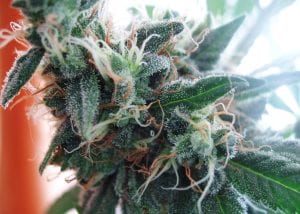
Cannabis contains a variety of compounds, including tetrahydrocannabinol (THC), which is the primary psychoactive component. While some strains are marketed as having high THC content, the actual potency can vary depending on factors such as cultivation methods, product formulation, and individual response. This guide provides an overview of five cannabis strains often cited for their high THC levels, based on available evidence and product labeling, while also highlighting important considerations for patients and carers.
Key takeaways
- THC levels in cannabis strains can vary significantly, and claims of "strongest" strains are often based on laboratory testing rather than consistent real-world experience.
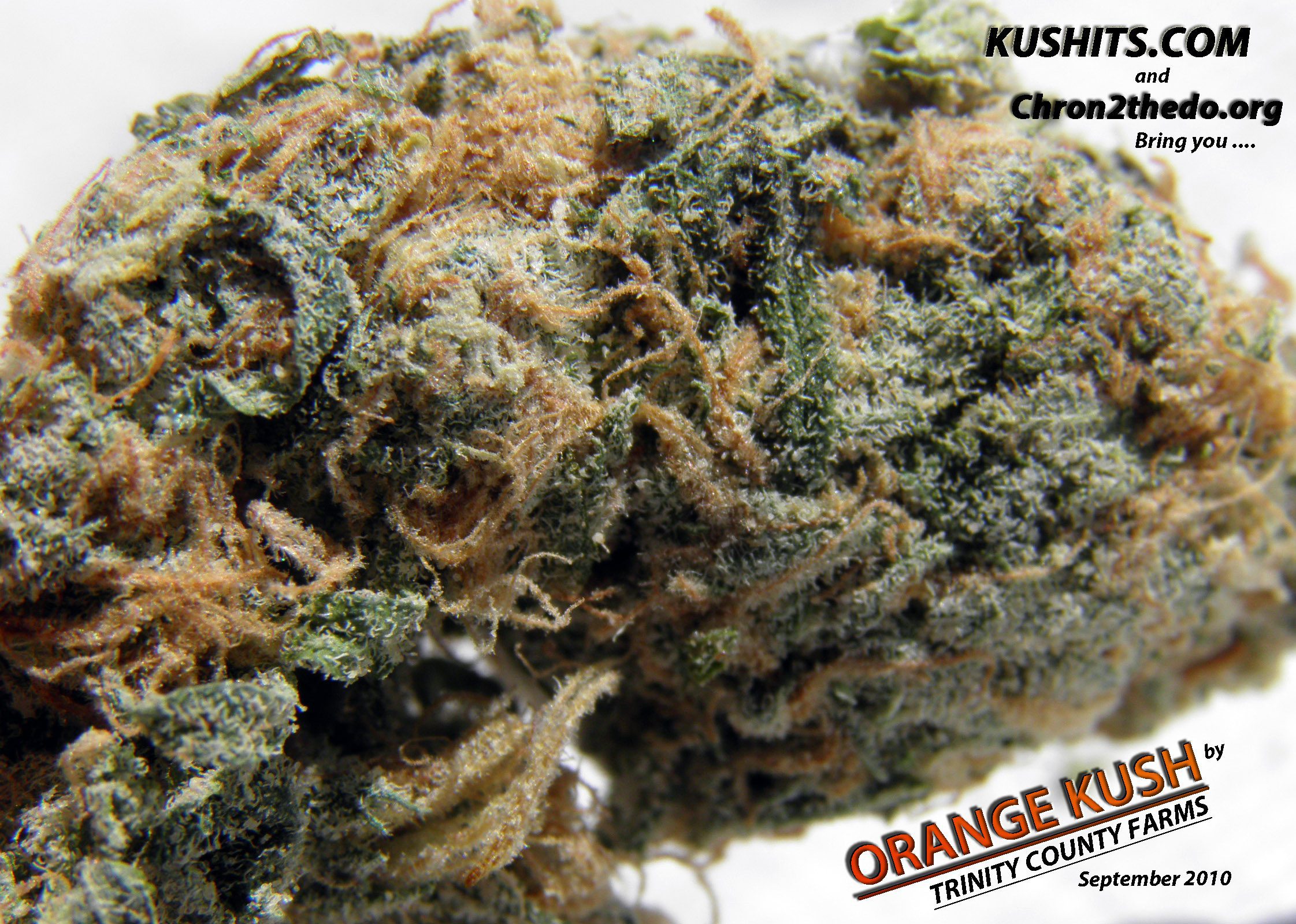
- Strains such as White Widow, Orange Kush, and Chemdog are frequently cited for their high THC content, with reported levels ranging from 18% to over 21%.
- The potency of cannabis can be influenced by factors such as the method of consumption, dosage, and individual tolerance, which may affect the experience and therapeutic outcomes.
- Patients should be cautious about relying solely on strain names or marketing claims and should consider consulting a clinician to understand the potential risks and benefits of specific products.
Evidence base
The THC content of cannabis strains is typically measured through laboratory analysis of dried plant material. These tests can provide an estimate of the concentration of THC, but they do not account for variations in how the product is consumed or how individuals metabolise it. For example, the same strain may produce different effects depending on whether it is smoked, vaporised, or ingested in edible form.
While some strains are consistently reported to have high THC levels, such as White Widow (up to 18.76%) and Chemdog (up to 21.51%), these figures are based on specific samples and may not reflect the average or typical potency of the strain. It is also important to note that the potency of cannabis can change over time due to factors such as storage conditions and degradation of compounds.
In the UK, the sale of cannabis products is regulated under the Misuse of Drugs Act 1971, and the Medicines and Healthcare products Regulatory Agency (MHRA) oversees the licensing of cannabis-based medicinal products. However, the availability of high-THC strains for recreational use is limited, and the focus of medical cannabis is on products with specific therapeutic benefits rather than high potency.
The evidence on the effects of high-THC cannabis is mixed, with some studies suggesting that it may provide relief for certain conditions such as chronic pain or nausea, while others highlight the potential for adverse effects such as anxiety or cognitive impairment. The long-term health impacts of regular high-THC use are not fully understood, and more research is needed to determine the safety and efficacy of these products.
What patients should know
When considering cannabis products, it is important to understand that the potency and effects can vary widely between different strains and products. High-THC strains may offer certain therapeutic benefits, but they can also increase the risk of side effects, particularly if used in high doses or by individuals with a low tolerance. Patients should be aware that the effects of cannabis can be influenced by factors such as the method of consumption, the dosage, and the individual's physiology.
It is also important to note that the legal status of cannabis in the UK means that only licensed medicinal products are available for prescription. These products are subject to strict quality control and are formulated to meet specific therapeutic needs. Patients should not assume that a high-THC strain will automatically provide the desired therapeutic effect, as the formulation and delivery method can significantly impact the outcome.
For patients using cannabis for medical purposes, it is essential to monitor the effects and report any adverse reactions to a clinician. This includes tracking changes in mood, sleep patterns, and physical symptoms, as well as noting any interactions with other medications. The goal of medical cannabis is to manage symptoms effectively while minimising risks, and this requires a personalised approach based on individual needs and responses.
- Always consult a healthcare professional before starting or changing a cannabis regimen.
- Be aware of the potential side effects and risks associated with high-THC products.
- Monitor your response to cannabis and report any changes to your clinician.
When to speak to a clinician
Patients should consider speaking to a clinician if they experience any adverse effects from cannabis use, such as increased anxiety, sleep disturbances, or changes in mood. It is also important to consult a clinician if there are concerns about the effectiveness of the product or if there are interactions with other medications.
Red flags that may indicate the need for medical advice include persistent or severe side effects, a decline in mental or physical health, or a lack of improvement in symptoms despite regular use. Patients should also seek medical advice if they are unsure about the appropriate dosage or if they are considering switching to a different strain or product.
- Experiencing persistent or severe side effects.
- Noticing a decline in mental or physical health.
- Concerns about the effectiveness of the product.
- Uncertainty about the appropriate dosage or product choice.
Questions to ask a clinician
- What are the potential benefits and risks of using high-THC cannabis for my condition?
- How can I monitor my response to cannabis and what signs should I look out for?
- Are there alternative treatments or formulations that might be more suitable for me?
Image gallery
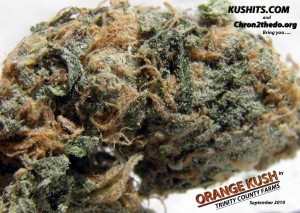
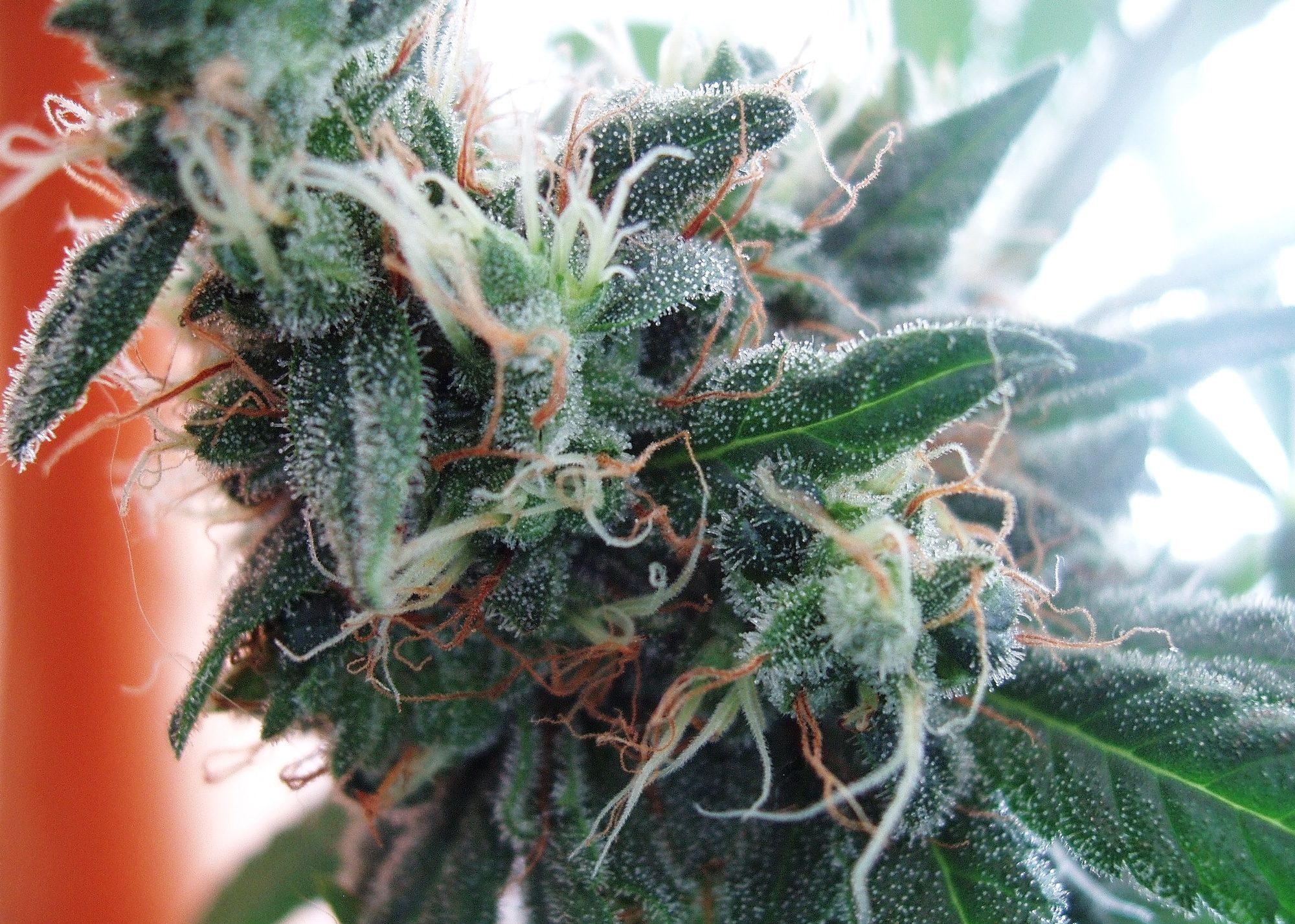
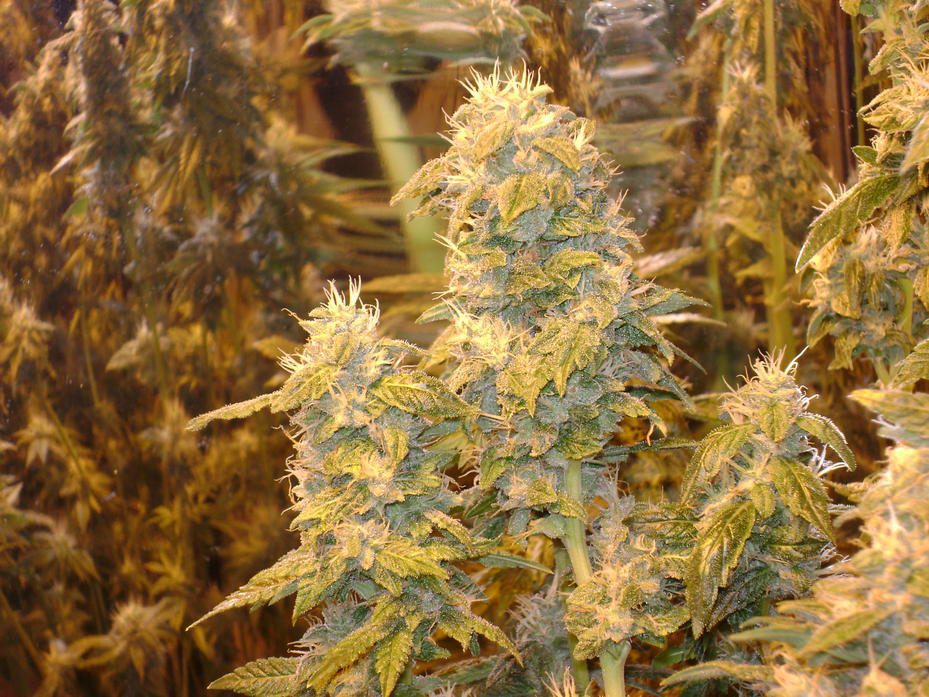
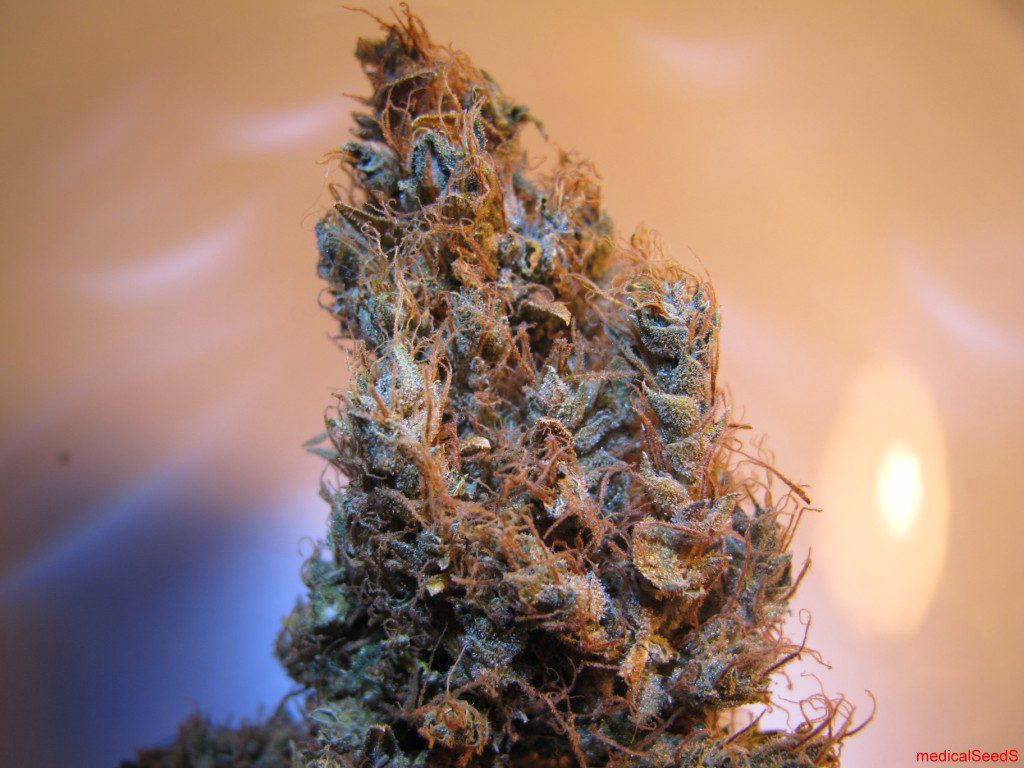
Archive images connected to What Strains Pack The Most THC? 5 of The Strongest Cannabis Strains Known To Man. These images are included for identification and context, not as medical evidence.
Source trail
- Strains-pack-thc-5-strongest-cannabis-strains-man: Source material outlining the THC content of various cannabis strains.
- MHRA guidance on cannabis-based medicinal products: Official guidance on the regulation and use of medicinal cannabis in the UK.
- NICE guidelines on cannabis for medical use: Evidence-based recommendations for the use of cannabis in treating specific conditions.