Patient guide
Wedding Cake Cannabis Strain Information & Review
Wedding Cake is a popular cannabis strain known for its unique combination of effects and flavour profile. While it is often marketed as a hybrid with a balanced mix of indica and sativa properties, the actual...
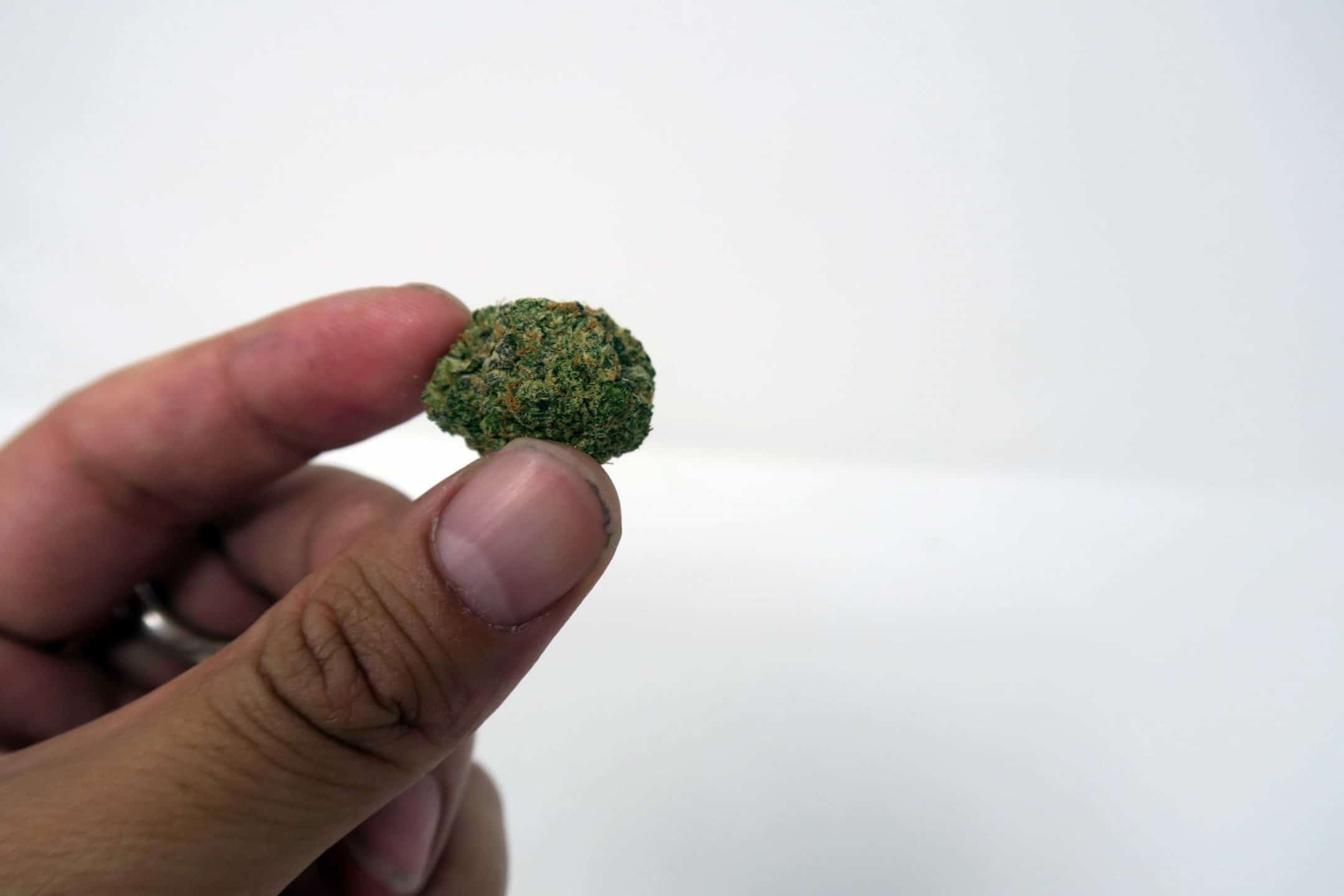
Wedding Cake is a popular cannabis strain known for its unique combination of effects and flavour profile. While it is often marketed as a hybrid with a balanced mix of indica and sativa properties, the actual experience can vary significantly depending on the source, potency, and method of consumption. This guide provides an evidence-based overview of the strain, focusing on its characteristics, potential benefits, and considerations for patients and carers. It is intended to support informed decision-making when comparing cannabis products and understanding the variability in strain claims.
Key takeaways
- Wedding Cake is a hybrid strain derived from Girl Scout Cookies and Cherry Pie, but its effects and potency can vary depending on the source and cultivation method.
- The strain is often described as having a sweet, earthy aroma and a dense, visually appealing appearance, though the scent and taste may not always be consistent across samples.
- The effects of Wedding Cake are typically reported as a mix of euphoria and relaxation, though individual experiences may differ based on dosage and method of use.
- Due to the lack of standardised labelling and inconsistent potency, patients should exercise caution and seek guidance from a clinician when considering this strain for therapeutic use.
Evidence base
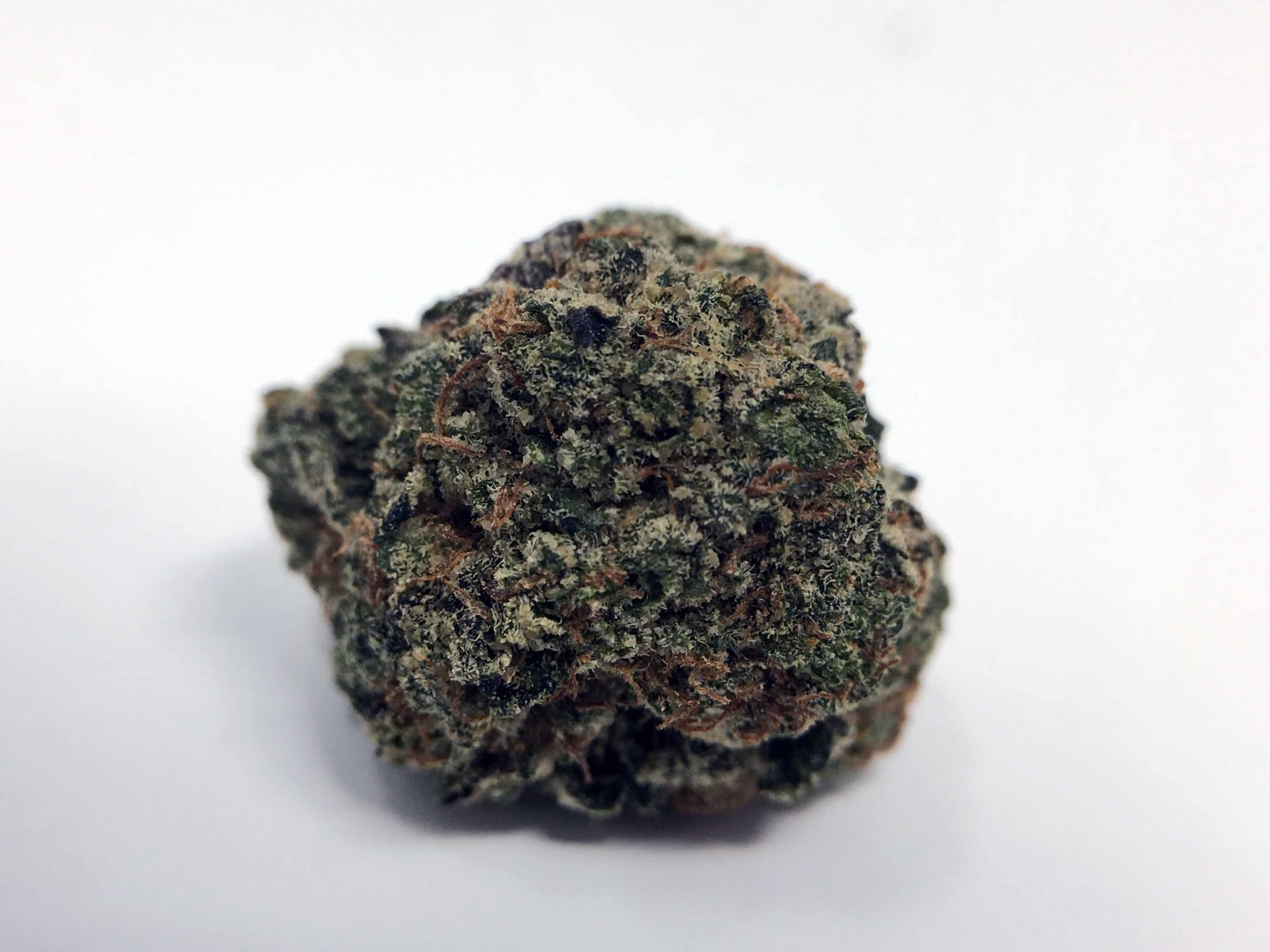
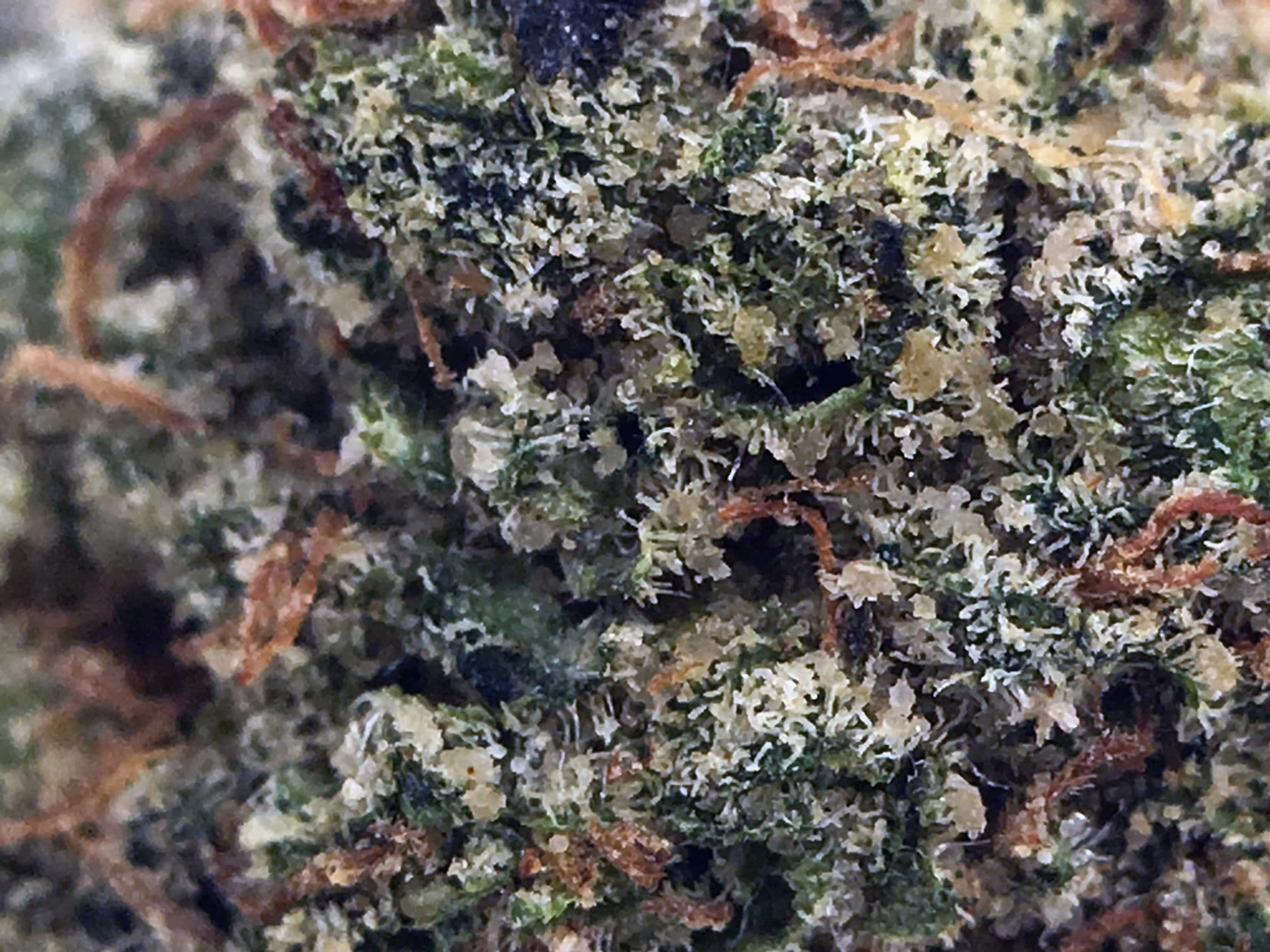
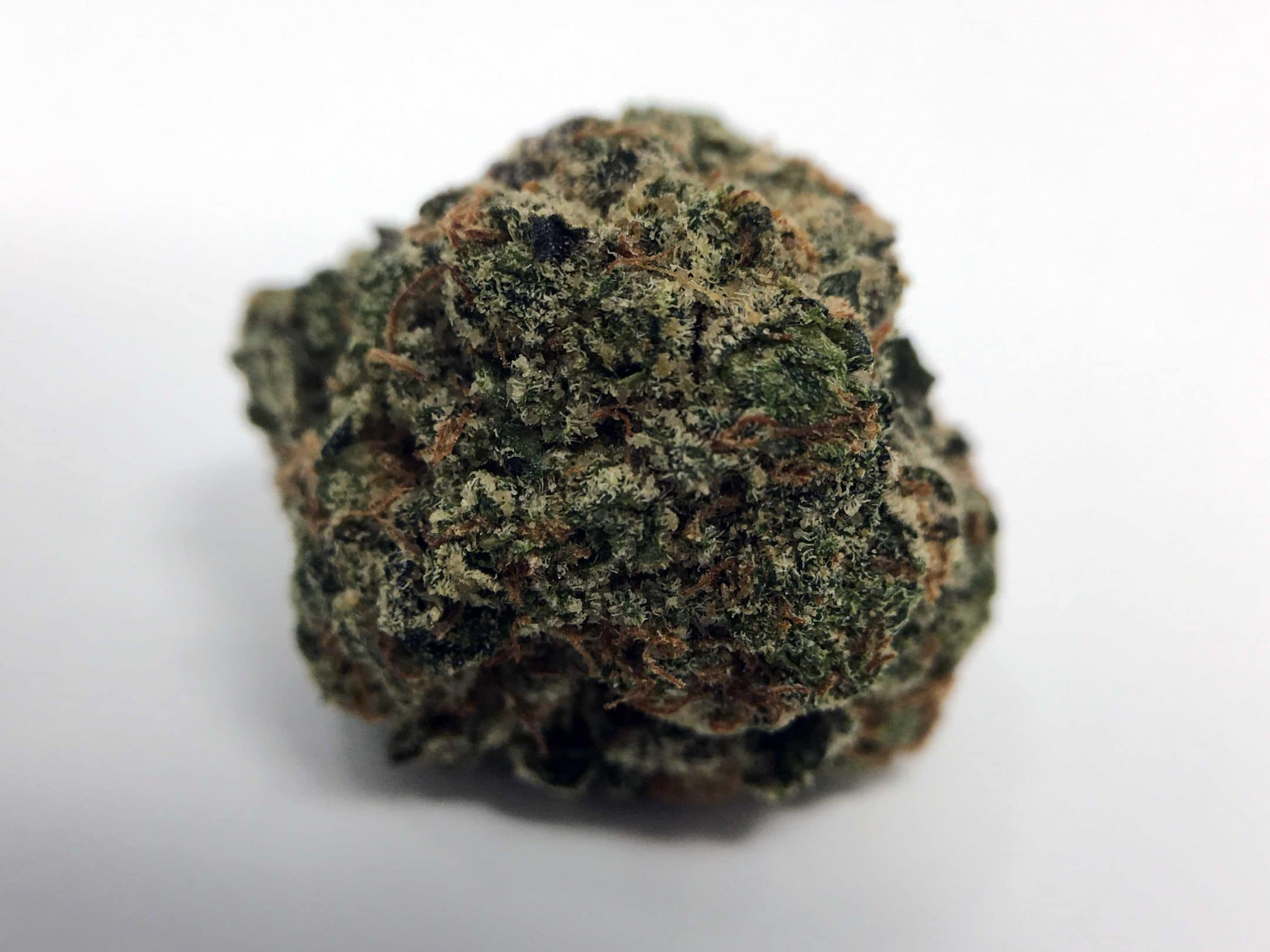
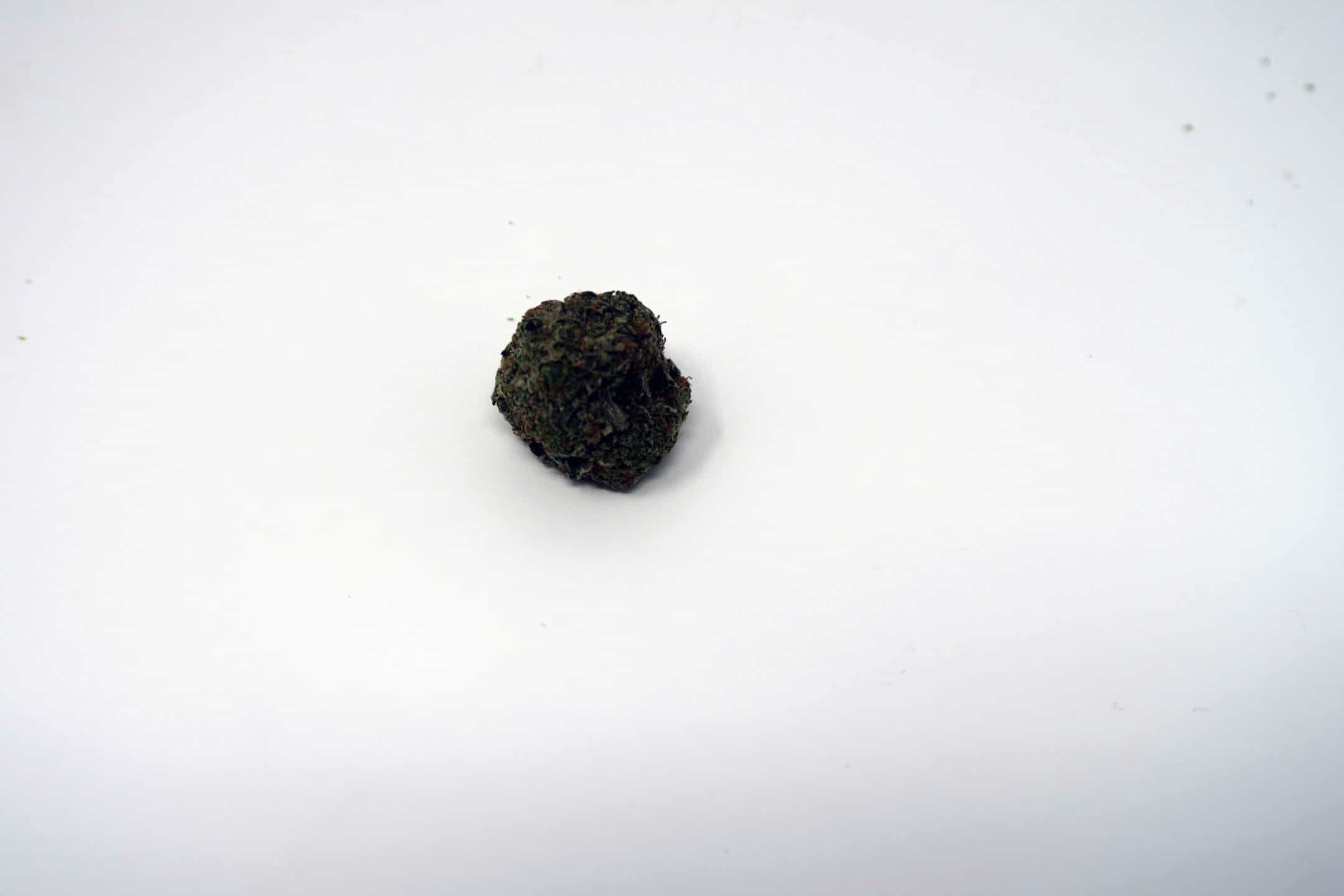
Wedding Cake is a cannabis strain that has gained popularity in both recreational and medicinal contexts. It is a cross between Girl Scout Cookies and Cherry Pie, resulting in a hybrid that is often described as leaning towards the sativa side, though its effects can be more balanced. The strain is known for its dense, visually appealing buds, which are often covered in trichomes and have a light green colour with flecks of darker green and gold. However, the appearance of the buds can vary depending on the growing conditions and cultivation practices.
The aroma and taste of Wedding Cake are frequently described as sweet and earthy, with a strong resemblance to Girl Scout Cookies. However, the scent and flavour can be inconsistent, as noted in some reviews where the sample did not emit a strong scent and the taste was described as mild and delicate. This variability in sensory characteristics may be influenced by factors such as the source of the product, storage conditions, and the method of consumption.
The effects of Wedding Cake are often reported as a combination of euphoria and relaxation, with some users noting a sense of calm and upliftment. However, the intensity and duration of these effects can vary significantly depending on the dosage, method of use, and individual tolerance. There is limited clinical evidence to support specific therapeutic benefits for Wedding Cake, and its use for medical purposes is not widely recommended without further research.
What patients should know
Wedding Cake is a cannabis strain that may be used for recreational or medicinal purposes, but its effectiveness and safety can vary. Patients should be aware that the strain is not standardised, and the potency, effects, and quality can differ between products. This variability makes it difficult to predict the outcome of use, and patients should be cautious when selecting and using this strain.
The method of consumption can significantly affect the experience of using Wedding Cake. Smoking or vaping may result in a quicker onset of effects, while edibles or tinctures may take longer to take effect. Patients should consider their tolerance, the desired effect, and the method of use when deciding how to consume this strain. It is also important to note that the effects of cannabis can be unpredictable, and patients should be prepared for potential side effects such as dizziness, anxiety, or sleepiness.
Patients should also be aware of the legal status of cannabis in the UK. While cannabis for medical use is available through the NHS, it is not available for recreational use. Patients should consult with a clinician to determine whether the use of Wedding Cake is appropriate for their condition and to discuss the potential risks and benefits. It is also important to be aware of the potential for dependency and the impact of cannabis use on mental health and daily functioning.
When to speak to a clinician
Patients should consider speaking to a clinician if they are considering using Wedding Cake for medical purposes or if they are experiencing any adverse effects. A clinician can provide guidance on the appropriate use of cannabis, including the potential benefits and risks, and can help patients make informed decisions about their treatment. It is also important to discuss any existing health conditions or medications that may interact with cannabis use.
Red flags or review points to consider when speaking to a clinician include any history of mental health issues, such as anxiety or depression, as cannabis use can exacerbate these conditions. Patients should also discuss any history of substance use disorders or any concerns about dependency. It is important to be honest and open with a clinician about the use of cannabis, as this can help them provide the most appropriate guidance and support.
Questions to ask a clinician
- What are the potential benefits and risks of using Wedding Cake for my condition?
- How can I determine the appropriate dosage and method of use for this strain?
- Are there any interactions between this strain and my current medications?
Image gallery
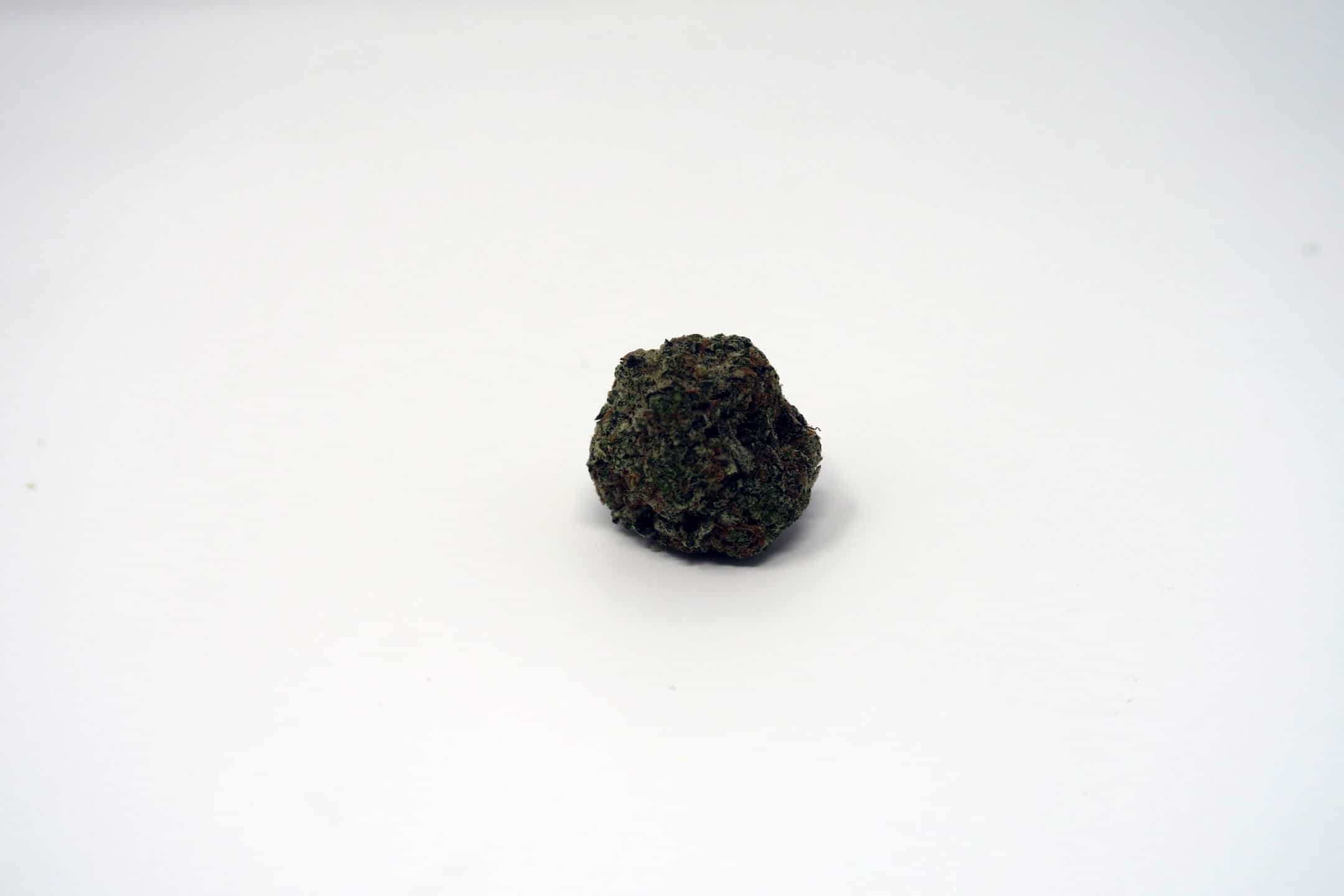
Archive images connected to Wedding Cake Cannabis Strain Information & Review. These images are included for identification and context, not as medical evidence.

Source trail
- The source material provides an overview of the appearance, aroma, and taste of Wedding Cake, as well as some user experiences with its effects.
- Official guidance from the NHS and NICE on the use of cannabis for medical purposes.
- Information on the legal status of cannabis in the UK and the availability of medical cannabis through the NHS.