Patient guide
Very Strong Cannabis Strains 01
The strength of cannabis strains, particularly their THC content, can vary significantly between products and batches. For patients and carers considering cannabis for medical use, understanding the potency of different...
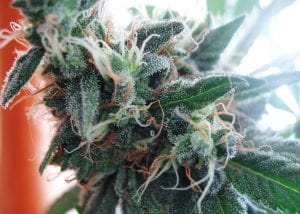
The strength of cannabis strains, particularly their THC content, can vary significantly between products and batches. For patients and carers considering cannabis for medical use, understanding the potency of different strains is essential to managing treatment outcomes and side effects. This guide provides an overview of the evidence surrounding high-THC cannabis strains, their potential benefits, and the considerations that should be taken into account when selecting or using such products.
Key takeaways
- The potency of cannabis strains, particularly their THC content, can vary widely between products and batches, making it difficult to predict effects based on strain names alone.
- High-THC strains may offer strong therapeutic effects for conditions such as chronic pain, nausea, and appetite stimulation, but they also carry risks of increased psychoactivity and side effects.
- The evidence on the efficacy and safety of high-THC strains for medical use is limited, with most studies focusing on broader cannabis use rather than specific high-THC strains.
- Patients should be cautious about relying solely on strain labels or marketing claims and should seek professional advice to tailor cannabis use to their individual needs and health status.
Evidence base
The available evidence on high-THC cannabis strains is largely based on anecdotal reports and limited clinical studies. While some research suggests that cannabis with higher THC content may be more effective for certain conditions, such as chronic pain and nausea, the evidence is not robust enough to draw definitive conclusions. Most studies on cannabis and its effects are observational or based on small sample sizes, making it difficult to establish a clear link between THC levels and therapeutic outcomes.
In addition, the variability in cannabis products—both in terms of THC content and other cannabinoids—complicates the interpretation of results. Strains that are marketed as "very strong" may not consistently deliver the same potency across different batches or sources. This variability can affect both the therapeutic benefit and the risk of adverse effects, such as anxiety, dizziness, or impaired cognitive function.
The UK regulatory framework for cannabis products is evolving, with the Medicines and Healthcare products Regulatory Agency (MHRA) overseeing the licensing of cannabis-based medicinal products. However, the availability of high-THC strains for medical use is limited, and most licensed products contain a balanced mix of THC and CBD. This reflects the cautious approach taken by regulators to ensure patient safety and efficacy, particularly given the limited evidence on the long-term effects of high-THC cannabis.
What patients should know
When considering high-THC cannabis strains for medical use, patients should be aware of the potential benefits and risks associated with these products. High-THC strains may offer stronger psychoactive effects, which could be beneficial for conditions such as chronic pain or appetite stimulation. However, they may also increase the risk of side effects such as anxiety, dizziness, and impaired coordination. It is important to note that the effects of cannabis can vary significantly between individuals, and what works for one person may not be suitable for another.
Patients should also be aware that the potency of cannabis products can vary widely, even within the same strain. This means that the THC content listed on a product label may not accurately reflect the actual potency of the product. As a result, it is important to start with a low dose and gradually increase it as needed, while monitoring for any adverse effects.
In addition, patients should be mindful of the legal and regulatory landscape surrounding cannabis use. In the UK, the use of cannabis for medical purposes is tightly regulated, and only certain products are licensed for use. Patients should consult with a healthcare professional to determine whether high-THC cannabis is appropriate for their condition and to ensure that they are using a product that is both safe and effective.
- Always start with a low dose and monitor for side effects.
- Be aware that the potency of cannabis products can vary between batches.
- Consult with a healthcare professional before using high-THC cannabis for medical purposes.
When to speak to a clinician
Patients should speak to a clinician if they are considering using high-THC cannabis for medical purposes, especially if they have a history of mental health conditions, are taking other medications, or are concerned about the potential side effects of high-THC products. A clinician can help assess the risks and benefits of high-THC cannabis and determine whether it is appropriate for the patient's specific condition.
It is also important to speak to a clinician if the patient experiences any adverse effects, such as anxiety, dizziness, or impaired coordination, after using high-THC cannabis. These effects can be serious and may require adjustment of the dosage or a change in the type of product used.
Red flags or review points to discuss with a clinician include:
- A history of mental health conditions such as anxiety or depression.
- The use of other medications that may interact with cannabis.
- Experiencing adverse effects such as anxiety, dizziness, or impaired coordination.
- Concerns about the potency or consistency of the product.
Questions to ask a clinician
- What are the potential benefits and risks of using high-THC cannabis for my condition?
- How can I determine the appropriate dosage for my needs?
- Are there any interactions between high-THC cannabis and the medications I am currently taking?
Image gallery
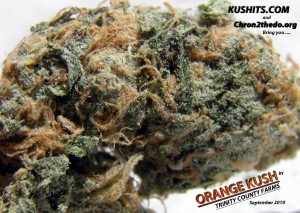
Archive images connected to Very Strong Cannabis Strains 01. These images are included for identification and context, not as medical evidence.

Source trail
- The original source material on high-THC cannabis strains and their potency.
- Official guidance from the Medicines and Healthcare products Regulatory Agency (MHRA) on the regulation of cannabis-based medicinal products.
- Information from the National Institute for Health and Care Excellence (NICE) on the use of cannabis for medical purposes.