Patient guide
Strain Focus: Marmalade
Strain Focus: Marmalade is a cannabis cultivar that has gained popularity for its unique characteristics and effects. While strain names and descriptions can provide some insight into a product’s potential, it is...

Strain Focus: Marmalade is a cannabis cultivar that has gained popularity for its unique characteristics and effects. While strain names and descriptions can provide some insight into a product’s potential, it is important to understand that the actual experience can vary significantly between batches and sources. This guide aims to provide a balanced overview of Marmalade, focusing on the evidence available and what patients and carers should consider when making informed decisions about cannabis products.
Key takeaways
- Marmalade is a cannabis strain with a genetic background of Exodus Cheese and ODV 3 (Orange Diesel V3), known for its distinct aroma and potential effects.
- The strain is often associated with a balanced profile of effects, though individual experiences may vary due to product variability and personal tolerance.
- Strain labels and descriptions can offer general guidance, but they do not guarantee consistent potency or effects across different batches or suppliers.
- Patients should consider consulting a clinician to discuss the potential benefits and risks of using cannabis products, especially if they have existing health conditions or are taking other medications.
Evidence base
The genetic composition of Marmalade is well-documented, with its parent strains being Exodus Cheese and ODV 3 (Orange Diesel V3). These parent strains are known for their specific terpene profiles and cannabinoid content, which may contribute to the overall characteristics of Marmalade. However, the exact cannabinoid and terpene profiles of Marmalade can vary depending on cultivation methods, growing conditions, and post-harvest processing.
While some sources describe Marmalade as having a sweet and citrusy aroma, the actual sensory experience can differ between products. This variability is common in cannabis strains, as factors such as soil quality, climate, and harvesting techniques can influence the final product. There is limited scientific evidence on the specific therapeutic effects of Marmalade, and most of the information available is based on anecdotal reports and user experiences.
The availability of Marmalade in the UK market has increased in recent years, with several breeders and growers offering their own versions of the strain. However, the lack of standardised testing and labelling practices means that the potency and composition of products can vary significantly. This makes it challenging for patients to predict the effects of a particular product based solely on its strain name.
What patients should know
When considering the use of Marmalade or any cannabis product, it is important to be aware of the potential variability in its effects and composition. While strain names can provide some indication of a product’s characteristics, they do not guarantee consistency. Patients should be cautious about relying solely on strain descriptions and should instead look for products that provide detailed information about their cannabinoid and terpene content.
It is also important to note that the effects of cannabis can vary significantly between individuals. Factors such as age, weight, metabolism, and previous cannabis use can all influence how a person responds to a product. This means that even if one person finds Marmalade beneficial, another person may experience different effects or side effects.
Patients should also be aware of the potential risks associated with cannabis use, including the possibility of dependency, cognitive impairment, and interactions with other medications. It is recommended that patients consult with a clinician before starting any cannabis product, especially if they have existing health conditions or are taking other medications.
- Check for detailed product information, including cannabinoid and terpene profiles.
- Be aware of the potential variability in effects and composition.
- Consider consulting a clinician before starting any cannabis product.
When to speak to a clinician
Patients should consider speaking to a clinician if they are experiencing any adverse effects from using Marmalade or any cannabis product. This includes symptoms such as dizziness, nausea, anxiety, or changes in mood or behaviour. It is also important to consult a clinician if patients are unsure about the appropriate dosage or if they are experiencing interactions with other medications.
Red flags that may indicate the need for a clinician’s advice include persistent or worsening symptoms, difficulty managing side effects, or concerns about the long-term effects of cannabis use. Patients should also seek medical advice if they are using cannabis for a specific medical condition and are not seeing the desired effects.
- Persistent or worsening side effects
- Difficulty managing effects or interactions with other medications
- Concerns about long-term use or dependency
Questions to ask a clinician
- What are the potential benefits and risks of using Marmalade or similar strains for my condition?
- How can I ensure that the product I am using is consistent in its composition and potency?
- What are the possible interactions between cannabis and the medications I am currently taking?
Image gallery
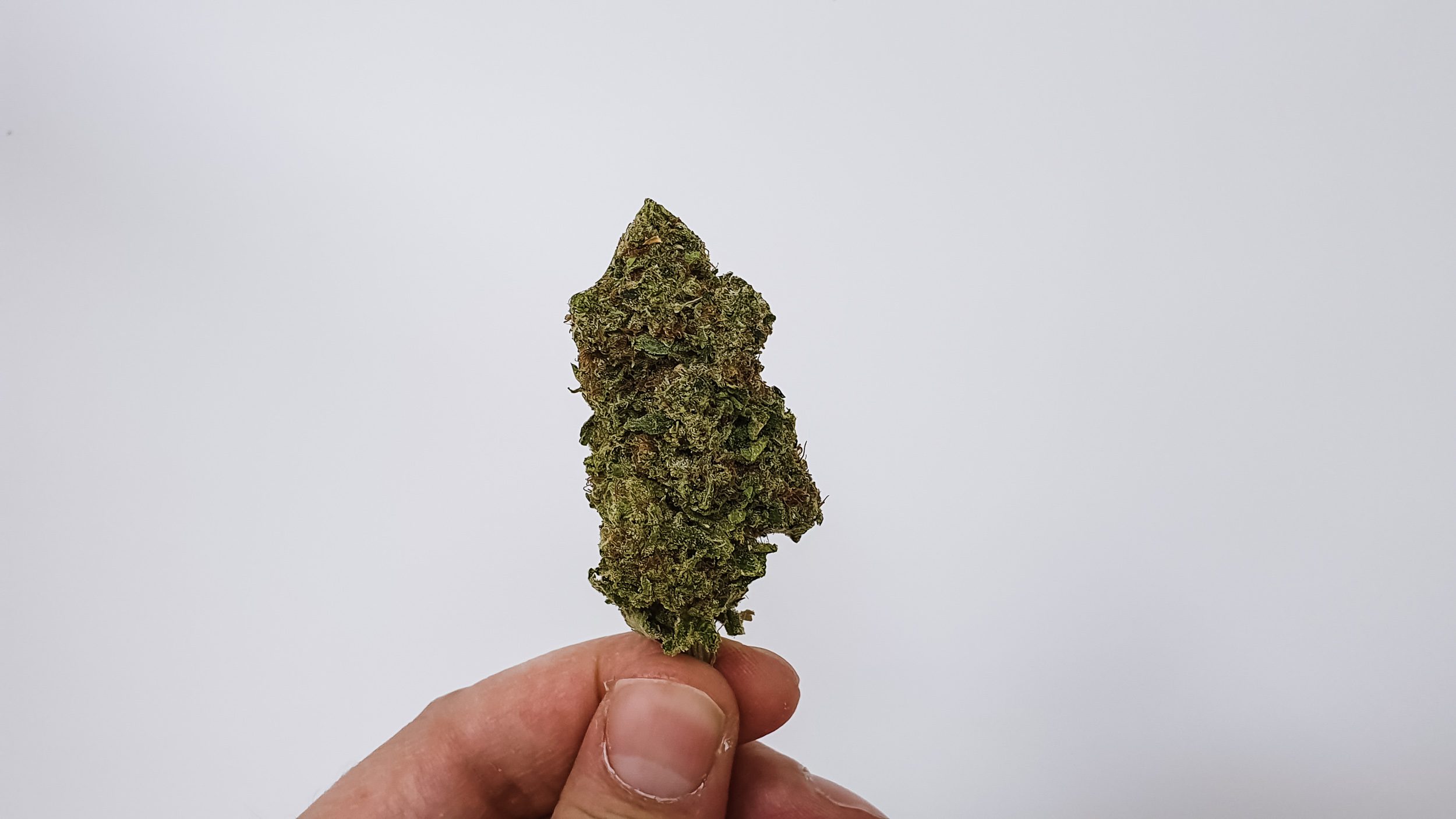
Archive images connected to Strain Focus: Marmalade. These images are included for identification and context, not as medical evidence.

Source trail
- Strain Focus: Marmalade – Provides an overview of the strain and its characteristics.
- Marmalade Strain Reviews and Smoke Report – Offers user experiences and product reviews.
- YouTube Video on Marmalade Strain – Additional insights from a strain focus episode.