Patient guide
Strain Focus: Cheese
The term "Cheese" refers to a cannabis strain that has gained popularity in the UK and beyond. While it is often associated with recreational use, this guide focuses on the evidence surrounding its characteristics,...
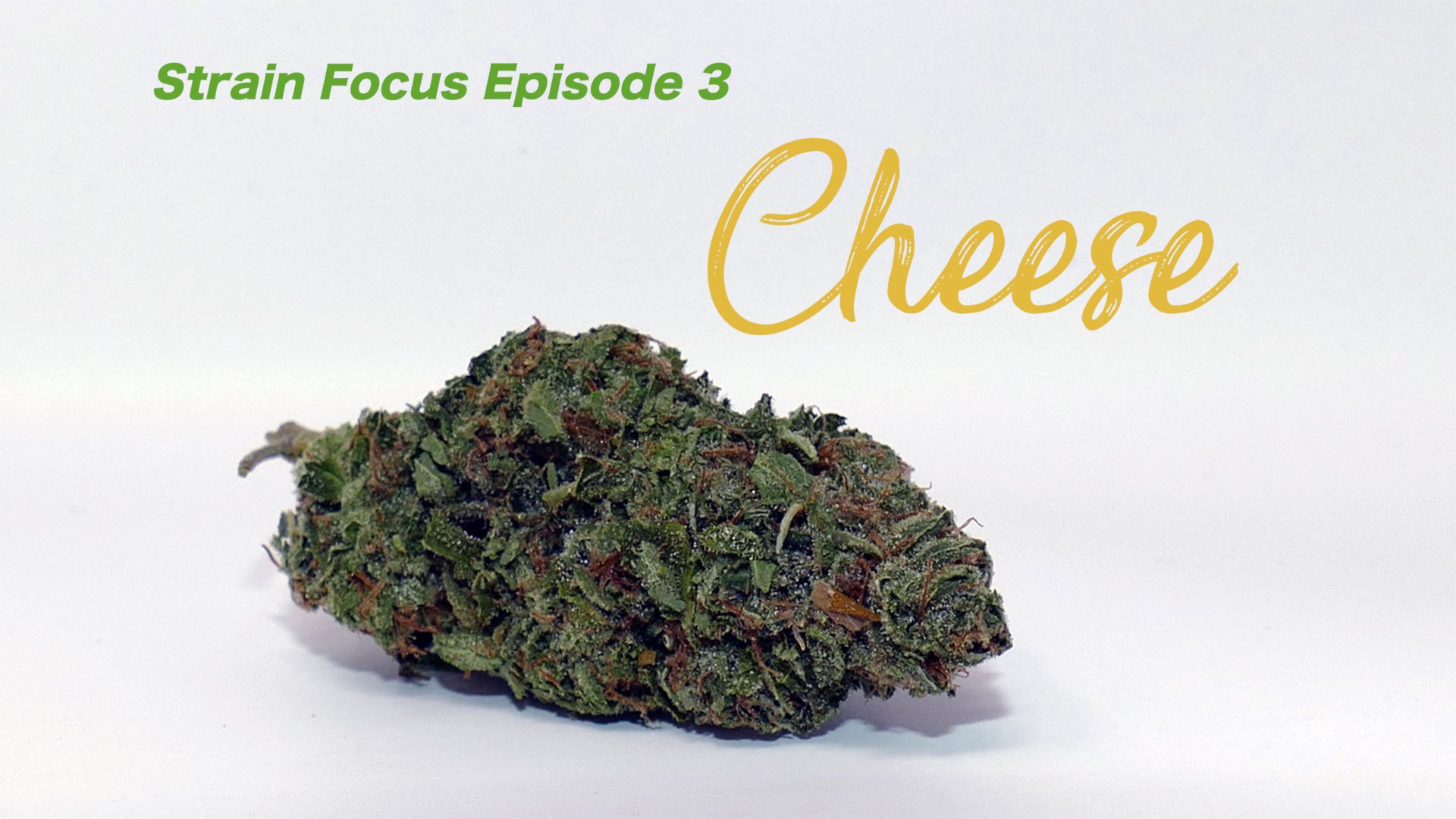
The term "Cheese" refers to a cannabis strain that has gained popularity in the UK and beyond. While it is often associated with recreational use, this guide focuses on the evidence surrounding its characteristics, potential effects, and considerations for patients and carers. It is important to approach any cannabis product with caution, as the effects can vary widely depending on the specific formulation, dosage, and method of use.
Key takeaways
- Cheese is a cannabis strain historically linked to UK cannabis culture, though its potency and composition may vary across different products.
- The strain is often described as having a strong, pungent aroma and is associated with a euphoric, uplifting effect, though individual experiences may differ.
- There is limited scientific evidence on the therapeutic benefits of Cheese or its specific cannabinoid and terpene profile.
- Patients should be cautious about relying on strain names or marketing claims, as the actual effects of a product can vary significantly between batches and formulations.
Evidence base
Cheese is a well-known cannabis strain that originated in the UK in the late 1980s, reportedly found in a bag of Skunk No.1 Seeds. It has since become a popular choice among cannabis users, particularly in the UK. However, the scientific evidence supporting its specific effects is limited. Most of the information available about Cheese comes from anecdotal reports and commercial marketing rather than rigorous clinical studies.
The strain is often described as having a high tetrahydrocannabinol (THC) content, which contributes to its potent effects. However, the exact cannabinoid and terpene profile can vary depending on the source material and cultivation methods. This variability makes it difficult to generalize the effects of Cheese across different products.
While some users report that Cheese provides a relaxing or euphoric experience, there is no conclusive evidence to support these claims in a clinical setting. The effects of cannabis can be highly individual, influenced by factors such as dosage, method of consumption, and the user's own physiology. It is important to note that the therapeutic benefits of cannabis, including Cheese, are not well-established for most conditions.
The lack of standardized testing and regulation for cannabis products means that the actual potency and composition of a product may not match the claims made by the manufacturer. This is particularly relevant for products that are marketed based on strain names or traditional descriptions rather than scientific data.
What patients should know
Cheese is a cannabis strain that has been popular in the UK for decades. However, it is important to understand that the effects of any cannabis product can vary significantly. The strain is often associated with a strong, pungent aroma and is described as having a high THC content, which can lead to intense psychoactive effects. These effects can vary depending on the individual and the method of use.
Patients should be aware that the therapeutic benefits of Cheese are not well-supported by scientific evidence. While some users may find it helpful for certain conditions, such as stress or anxiety, there is no clinical data confirming its efficacy for these purposes. It is also important to note that the effects of cannabis can be unpredictable, and some individuals may experience adverse reactions, such as anxiety, paranoia, or sleep disturbances.
When considering the use of Cheese or any cannabis product, patients should be mindful of the potential risks and benefits. It is advisable to start with a low dose and monitor how the body reacts. Additionally, patients should be aware of the legal status of cannabis in their area and ensure that they are using products that are legally available and safe.
It is also important to consider the method of use. Smoking or vaping can lead to rapid absorption of THC, which may increase the risk of acute effects. Patients should be cautious about the frequency and quantity of use, as long-term or heavy use can have negative health impacts. If patients are using cannabis for a medical condition, they should consult with a healthcare professional to discuss the potential benefits and risks.
When to speak to a clinician
Patients should consider speaking to a clinician if they experience any adverse effects from using Cheese or any cannabis product. These may include anxiety, paranoia, sleep disturbances, or changes in mood or behaviour. It is also important to consult a clinician if the effects of the product are not as expected or if there are concerns about the safety or legality of the product.
Patients should also seek medical advice if they are using cannabis for a medical condition and are not seeing the desired effects. A clinician can help assess whether the product is appropriate for their condition and whether alternative treatments may be more effective. Additionally, patients who are using cannabis for the first time or in combination with other medications should consult a clinician to discuss potential interactions and risks.
Red flags that may indicate the need for a clinician's input include:
- Experiencing persistent anxiety, paranoia, or hallucinations
- Changes in appetite or weight
- Difficulty sleeping or insomnia
- Increased heart rate or blood pressure
- Mood changes or emotional instability
Questions to ask a clinician
- What are the potential risks and benefits of using Cheese or similar cannabis products for my condition?
- How can I ensure that the product I am using is safe and effective?
- Are there any interactions between cannabis and the medications I am currently taking?
Source trail
- Lady Sativa Genetics – Insights on Cheese and related strains
- Strain Focus: Cheese – Commercial information on the strain
- Ismoke Magazine – General information on cannabis strains and products