Patient guide
SSFVTK Cannabis Strain Review & Information
The SSFVTK cannabis strain is a hybrid with a complex genetic background, combining elements of Sour Diesel, OG, and Triangle Mints. It is marketed for its distinctive aroma, flavour, and effects, which are often...
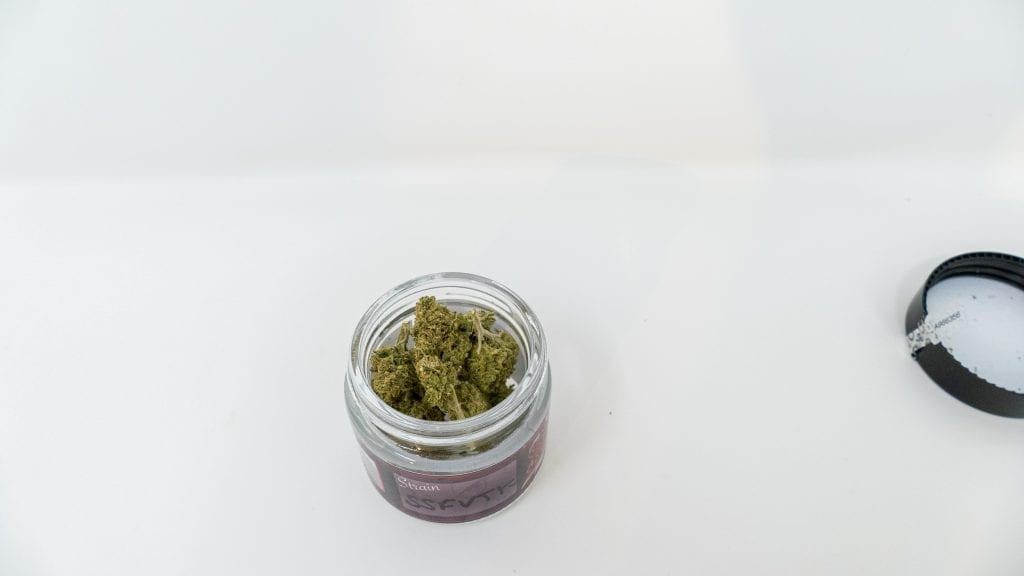
The SSFVTK cannabis strain is a hybrid with a complex genetic background, combining elements of Sour Diesel, OG, and Triangle Mints. It is marketed for its distinctive aroma, flavour, and effects, which are often described as energising and clear-headed. However, for patients and carers considering this strain, it is important to understand the available evidence, the variability in product quality, and the potential impact of cannabis use on health and daily life.
Key takeaways
- The SSFVTK strain is a hybrid with a genetic lineage that includes Sour Diesel, OG, and Triangle Mints, resulting in a unique combination of effects and sensory characteristics.
- It is described as having a strong, gassy aroma and a sharp, earthy flavour, which may appeal to users who prefer these sensory profiles.
- The strain is marketed as a daytime use option due to its clear-headed, energising effects, which may be beneficial for certain activities but could also affect sleep or mood.
- The limited availability of the strain and its specific genetic background mean that its effects and quality can vary depending on cultivation and processing methods.
Evidence base
The SSFVTK strain is primarily described through anecdotal and commercial sources, such as strain review pages and seed vendor information. These sources highlight its appearance, aroma, taste, and effects, but they do not provide clinical or scientific data on its therapeutic benefits or risks. The strain is often associated with the Sour Diesel lineage, which is known for its high THC content and stimulating effects. However, the specific potency and composition of SSFVTK can vary depending on the source material and cultivation practices.
There is limited peer-reviewed research on the SSFVTK strain itself. Most studies on cannabis strains focus on broader categories such as indica, sativa, or hybrid types, rather than individual strains. As a result, the evidence regarding its potential therapeutic applications, such as pain relief, anxiety reduction, or sleep improvement, is not well-established. Patients should be cautious about relying on strain-specific claims for medical purposes, as these are often based on user experiences rather than clinical trials.
The route of use—such as smoking, vaping, or edibles—can significantly affect the onset, duration, and intensity of effects. While some users report a clear-headed, energising high, others may experience side effects such as anxiety, dizziness, or dry mouth. These effects can vary depending on the individual’s tolerance, the dosage, and the method of consumption. The lack of standardised dosing and product labelling further complicates the understanding of its impact on health and well-being.
What patients should know
The SSFVTK strain is not currently regulated as a medicinal product in the UK, and its use is subject to the legal framework surrounding cannabis. Patients should be aware that the strain is available for personal use in accordance with UK law, but it is not approved for medical use. This means that its safety, efficacy, and consistency cannot be guaranteed by regulatory bodies.
The strain’s effects are largely based on user reports and may not be consistent across different batches or sources. This variability can make it difficult to predict how it will affect an individual. Patients should consider this when deciding whether to use the strain for any purpose, including recreational or therapeutic use.
The SSFVTK strain is often associated with high THC levels, which can lead to psychoactive effects. These effects may be beneficial for some users but could also pose risks, particularly for individuals with a history of mental health issues, such as anxiety or psychosis. Patients should be mindful of their personal health history and consult with a clinician before using this or any cannabis product.
- The strain is not approved for medical use in the UK.
- Effects can vary significantly between batches and users.
- High THC levels may cause psychoactive effects.
- No standardised dosing or product labelling is available.
When to speak to a clinician
Patients should consider speaking to a clinician if they are using the SSFVTK strain for any purpose, including recreational or therapeutic use. A clinician can help assess the potential risks and benefits, particularly for individuals with pre-existing health conditions or those taking other medications. It is important to discuss any changes in mood, behaviour, or physical symptoms that may be related to cannabis use.
Red flags or review points to discuss with a clinician include:
- Experiencing anxiety, panic attacks, or hallucinations.
- Difficulty sleeping or changes in appetite.
- Physical symptoms such as dry mouth, red eyes, or dizziness.
- Any changes in mental health or emotional well-being.
Patients should also consider speaking to a clinician if they are using the strain alongside other medications, as cannabis can interact with certain drugs. This is particularly important for individuals taking medications for mental health, pain, or other chronic conditions.
Questions to ask a clinician
- What are the potential risks of using the SSFVTK strain for my specific health condition?
- How might the strain interact with any medications I am currently taking?
- Are there alternative cannabis products or treatments that may be more suitable for my needs?
Image gallery
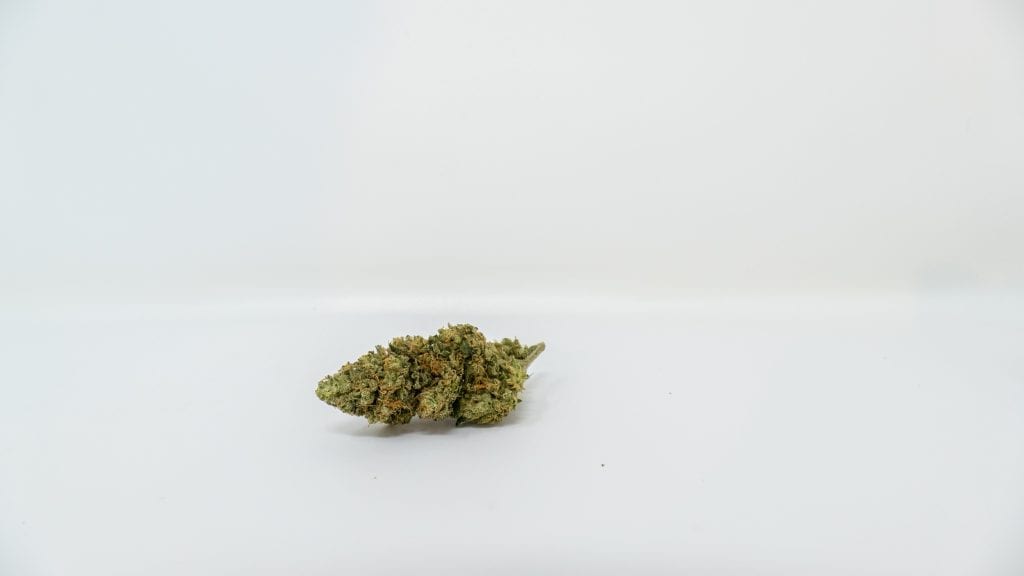
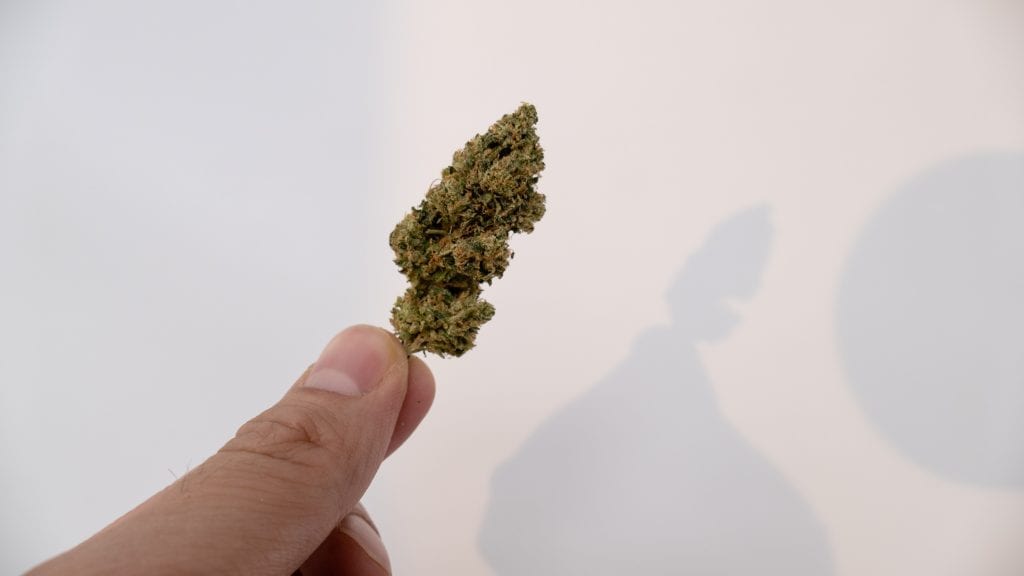
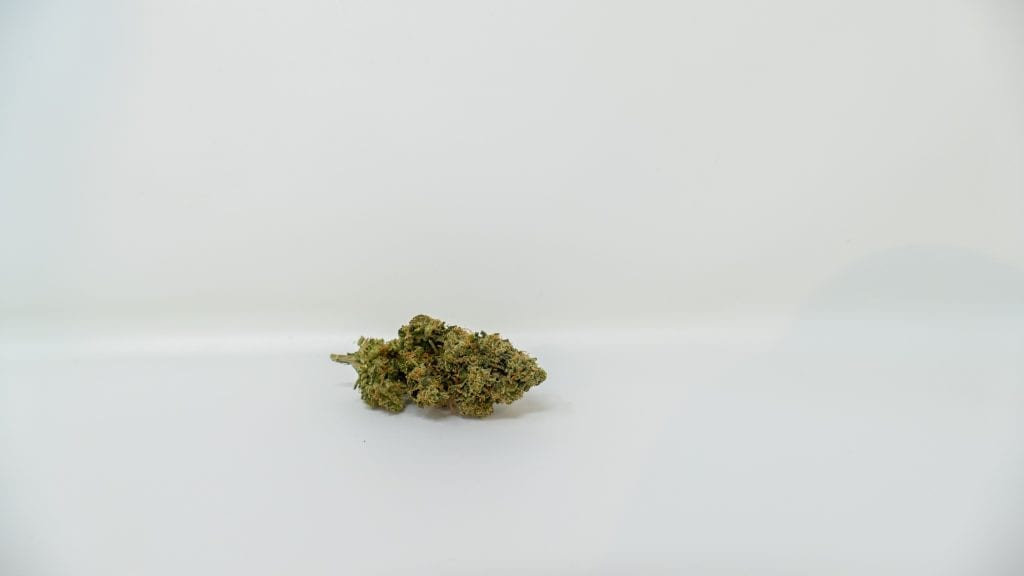
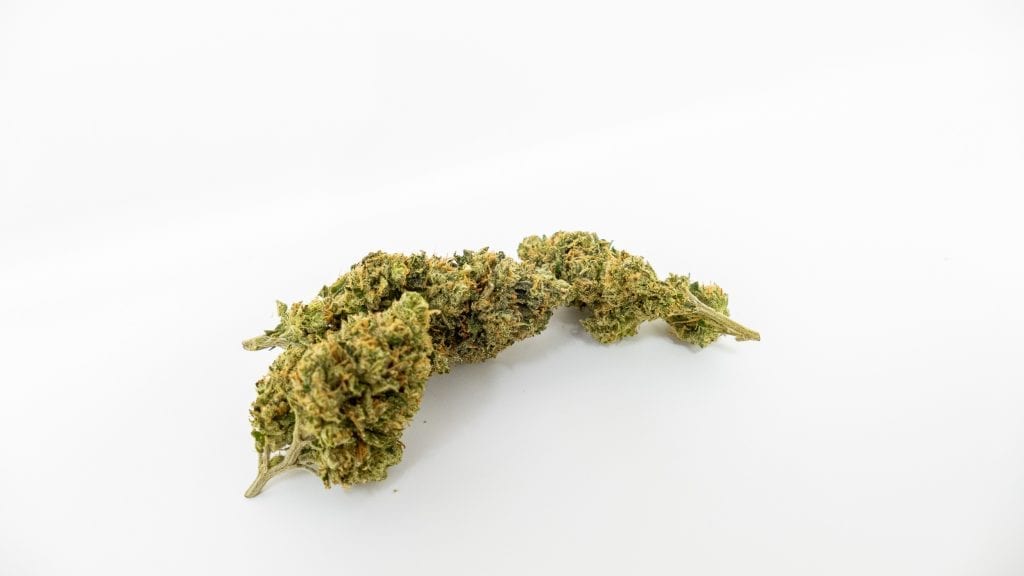
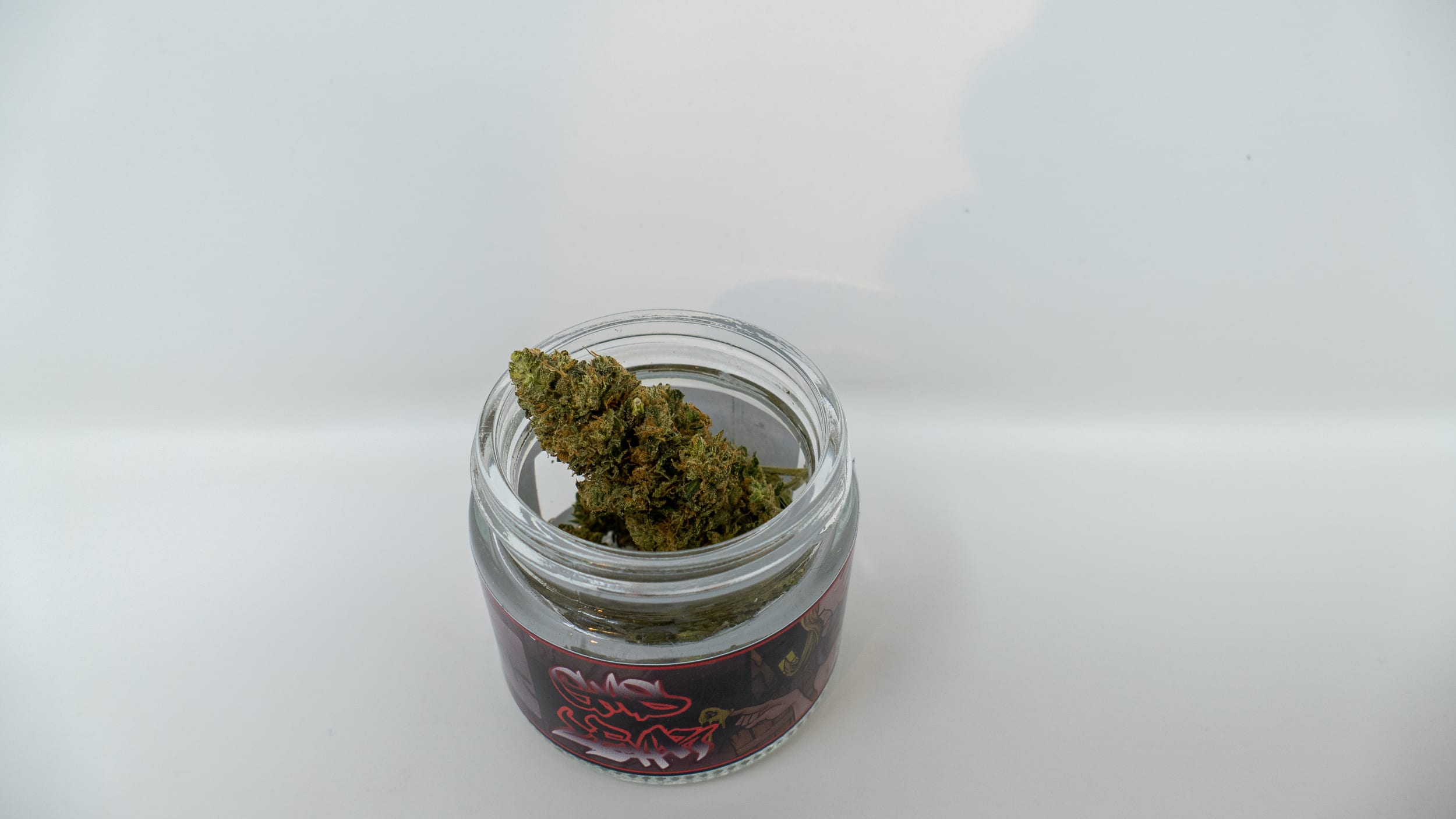
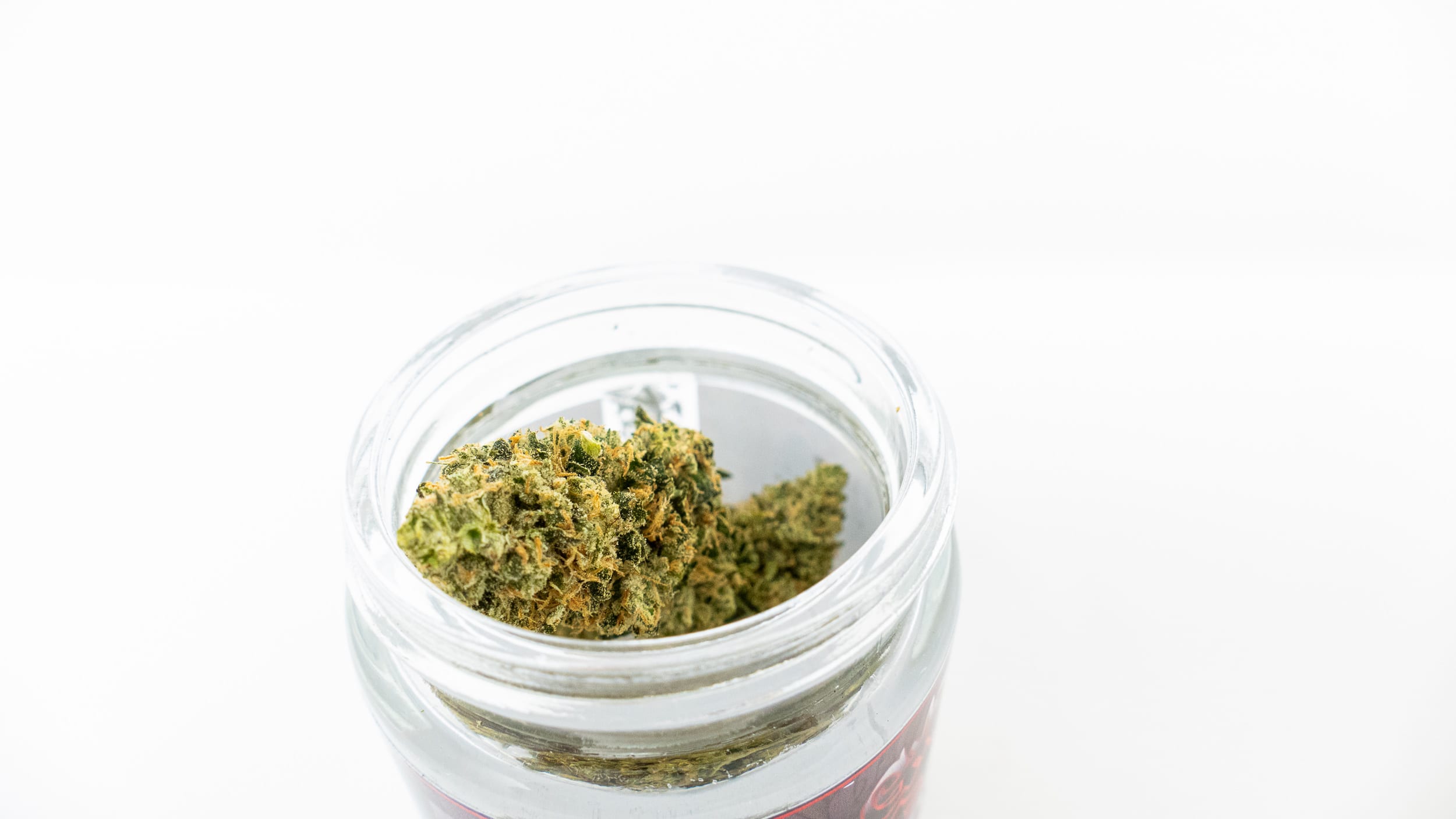
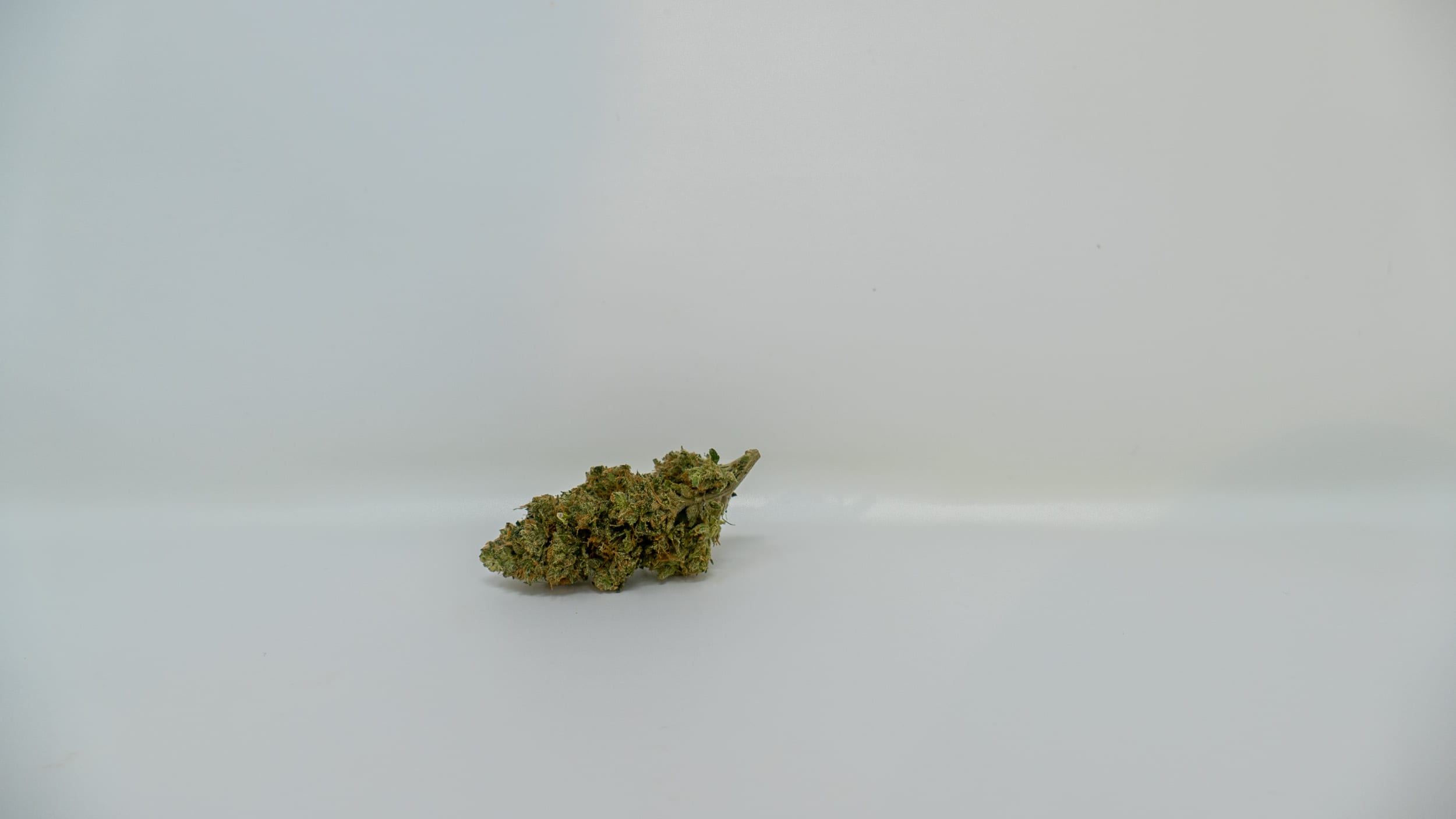
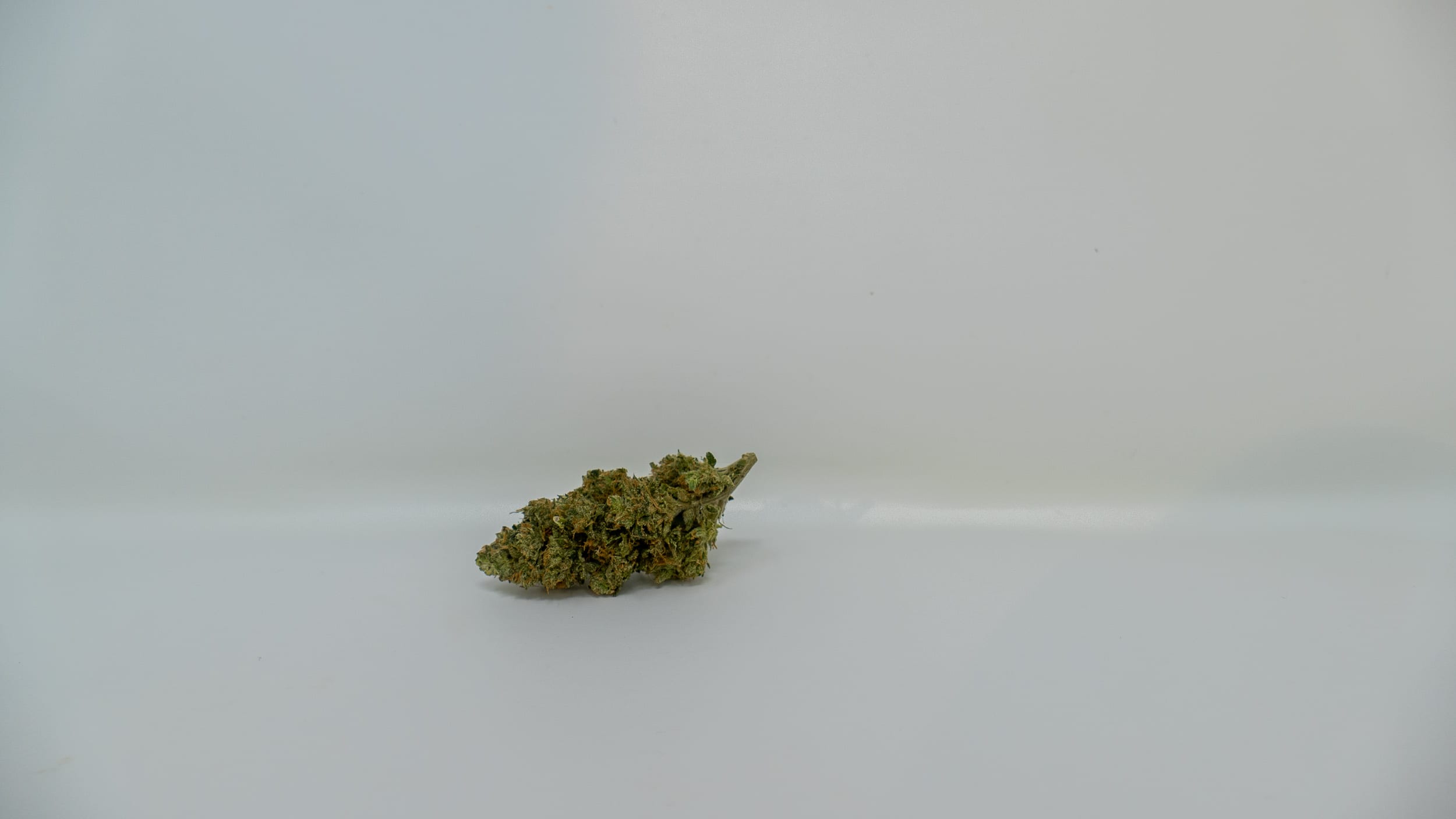
Archive images connected to SSFVTK Cannabis Strain Review & Information. These images are included for identification and context, not as medical evidence.
Source trail
- The SSFVTK strain description is based on commercial and user-generated content from strain review pages and seed vendor information.
- UK cannabis law and personal use guidelines are available from the Home Office and the NHS.
- General information on cannabis effects and health considerations can be found in NICE guidelines and public health resources.