Patient guide
Skywalker OG Cannabis Strain Review
Skywalker OG is a cannabis strain known for its potent effects and distinct aroma, often described as a cross between Skywalker and OG Kush. While anecdotal reports highlight its relaxing properties and strong potency,...
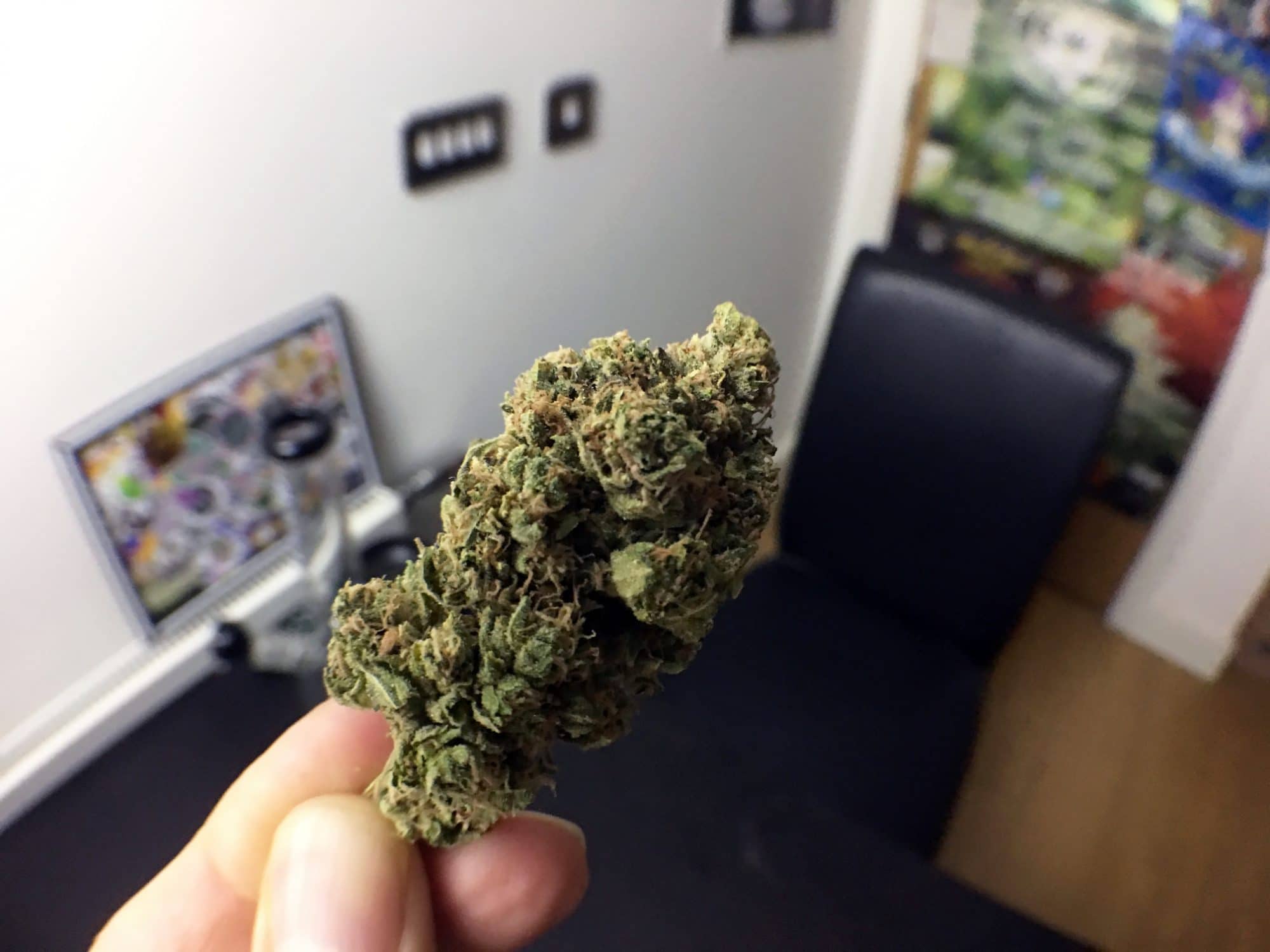
Skywalker OG is a cannabis strain known for its potent effects and distinct aroma, often described as a cross between Skywalker and OG Kush. While anecdotal reports highlight its relaxing properties and strong potency, it is important for patients and carers to approach such claims with a critical eye. This guide provides an evidence-based overview of the strain, its potential effects, and considerations for use, helping individuals make informed decisions about cannabis products.
Key takeaways
- Skywalker OG is a hybrid cannabis strain with reported THC levels ranging from 18% to 30%, making it a high-potency option.
- The strain is often described as having a strong, earthy aroma with a gassy or skunky undertone, and its effects are typically reported as relaxing and sedating.
- Due to the variability in product quality and potency, it is important to verify the actual THC and CBD content of any product before use.
- The effects of Skywalker OG are generally reported as quick-acting, with users noting a sense of euphoria and deep relaxation, though these may vary depending on individual physiology and dosage.
Evidence base
The available evidence on Skywalker OG is largely anecdotal and based on user reports rather than clinical trials. Most information comes from online reviews, cannabis product listings, and strain descriptions from commercial growers. These sources suggest that Skywalker OG is a hybrid strain with indica-dominant characteristics, though the exact genetic lineage and phenotypic variation can differ depending on cultivation practices. The reported THC content of 18–30% is consistent with other high-potency cannabis strains, but actual potency may vary significantly between batches and products.
While some users describe the strain as effective for managing symptoms such as anxiety, pain, and insomnia, there is no robust scientific evidence to support these claims. The effects of cannabis, including relaxation and mood elevation, are influenced by a complex interplay of cannabinoids, terpenes, and individual biology. Therefore, the reported benefits of Skywalker OG should be viewed as subjective experiences rather than universally applicable outcomes.
The lack of standardised testing and regulation in the cannabis market means that the actual potency and composition of products can vary widely. This variability makes it difficult to draw definitive conclusions about the efficacy or safety of Skywalker OG for specific medical conditions. As such, any claims about the therapeutic benefits of this strain should be approached with caution and not relied upon as a substitute for professional medical advice.
What patients should know
Skywalker OG is a high-potency cannabis strain that may be used for recreational or medicinal purposes, but its effects and safety profile are not well-documented in clinical research. Patients considering this strain should be aware that the reported effects—such as relaxation and euphoria—are based on user experiences and may not be consistent across individuals or product batches. It is also important to note that the strain's potency can lead to stronger psychoactive effects, which may not be suitable for everyone, particularly those with a history of mental health issues or sensitivity to cannabis.
The route of administration can significantly influence the effects of Skywalker OG. Smoking or vaping may result in faster onset of effects, while edibles or tinctures may take longer to take effect but provide more prolonged relief. However, the variability in product formulations means that the actual experience can differ widely. Patients should also be mindful of the potential for side effects such as dizziness, dry mouth, and increased heart rate, which are common with high-THC cannabis products.
Given the lack of standardised testing and the potential for product variability, patients should always check the actual THC and CBD content of any product before use. This can be done by reviewing the product label or contacting the manufacturer for detailed information. It is also advisable to start with a low dose and gradually increase as needed, to assess individual tolerance and minimise the risk of adverse effects.
When to speak to a clinician
Patients should consult a healthcare professional before using Skywalker OG, especially if they have a history of mental health conditions, are taking other medications, or are pregnant or breastfeeding. A clinician can help assess the potential risks and benefits of cannabis use and provide guidance on safe dosing and administration. It is also important to discuss any existing medical conditions, as cannabis can interact with certain medications or exacerbate symptoms in some cases.
Red flags that warrant a clinical consultation include persistent or severe side effects, such as anxiety, paranoia, or cognitive impairment, as well as changes in mood or behaviour. Patients should also seek medical advice if they experience difficulty managing symptoms or if the effects of the strain are not consistent with their expectations. Regular follow-up with a clinician can help monitor the impact of cannabis use and ensure that it is being used safely and effectively.
Questions to ask a clinician
- What are the potential risks and benefits of using Skywalker OG for my specific condition?
- How might this strain interact with the medications I am currently taking?
- What is the safest way to use this product, and what dosage should I consider?
Image gallery
Archive images connected to Skywalker OG Cannabis Strain Review. These images are included for identification and context, not as medical evidence.





Source trail
- Online reviews and strain descriptions from commercial cannabis growers, highlighting reported effects and potency.
- Product labels and listings from cannabis retailers, indicating THC and CBD content.
- General guidance on cannabis use from the NHS and NICE, regarding safety, dosing, and potential interactions.