Patient guide
Nebula Cannabis Strain Review
The Nebula cannabis strain, a Sativa variety, is often described as offering a unique and intense experience, with claims of inducing a "cosmic" or "trippy" effect. While it is marketed for recreational use, this guide...
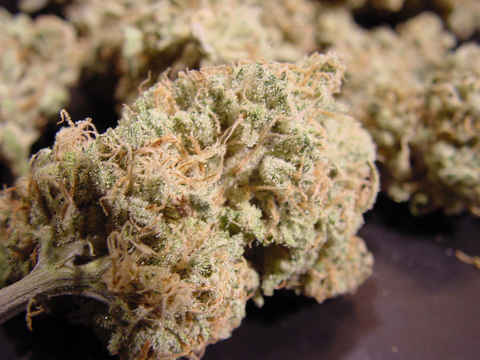
The Nebula cannabis strain, a Sativa variety, is often described as offering a unique and intense experience, with claims of inducing a "cosmic" or "trippy" effect. While it is marketed for recreational use, this guide provides an evidence-based overview of its characteristics, potential effects, and considerations for patients and carers. It is intended to support informed decision-making, particularly for those considering its use for medical purposes or as part of a broader treatment plan.
Key takeaways
- Nebula is a high-THC Sativa strain known for its euphoric and uplifting effects, often described as trippy or hallucinogenic.
- It is marketed for stress relief, meditation, and as a breeding strain, though its medical applications are not well-supported by clinical evidence.
- The strain’s effects can vary significantly depending on the method of use, dosage, and individual physiology.
- Due to limited clinical research, its safety, efficacy, and long-term impact on health remain uncertain, particularly for patients with pre-existing conditions or those on other medications.
Evidence base
The Nebula strain is primarily promoted through commercial sources such as Paradise Seeds and CannaCentral, which highlight its high THC content and unique flavor profile. These sources describe Nebula as a hardy plant with a long flowering time and high yield, making it appealing to growers. However, these claims are based on anecdotal and commercial experience rather than clinical trials.
There is no robust scientific evidence supporting the medical benefits of Nebula, such as its purported use for stress relief or meditation. While some users may report subjective benefits, these are not consistently validated in controlled studies. The strain’s effects are largely influenced by the individual’s tolerance, method of consumption, and the presence of other cannabinoids or terpenes.
The potential risks of Nebula, including dry eyes and other short-term side effects, are well-documented in user reports. However, the long-term health implications, particularly for patients with chronic conditions or those using cannabis regularly, are not well understood. As with all cannabis products, the lack of standardised dosing and product consistency raises concerns about reliability and safety.
What patients should know
Nebula is a high-THC cannabis strain that may produce strong psychoactive effects. These effects can vary widely between individuals, and the intensity may increase with higher doses or when combined with other substances. Patients should be aware that the strain’s effects are not guaranteed and may not align with the claims made by commercial sources.
For patients considering Nebula for medical purposes, it is important to note that there is no clinical evidence to support its use for conditions such as anxiety, depression, or chronic pain. While some users may find it helpful for relaxation or mood enhancement, these benefits are not consistently documented in scientific literature. Patients should not rely on anecdotal reports alone and should consult with a healthcare professional before using any cannabis product.
The method of use can significantly affect the experience and potential risks. Smoking or vaping Nebula may lead to rapid onset of effects, while edibles or tinctures may take longer to take effect. Patients should be cautious about the route of administration and consider the potential for increased heart rate, anxiety, or other adverse reactions. It is also important to note that the strain’s potency and composition can vary between batches, making it difficult to predict the exact effects or dosage.
- Nebula is not recommended for patients with a history of mental health conditions, such as psychosis or bipolar disorder.
- The strain’s high THC content may increase the risk of adverse effects, particularly in inexperienced users or those with a low tolerance.
- Patients should avoid using Nebula if they are taking other medications, as cannabis can interact with certain drugs, including antidepressants and anticoagulants.
When to speak to a clinician
Patients should consult a healthcare professional before using Nebula, especially if they have pre-existing medical conditions or are taking other medications. This is particularly important for individuals with a history of mental health issues, cardiovascular disease, or respiratory conditions, as the strain’s effects may exacerbate these conditions.
If patients experience any of the following, they should seek medical advice immediately:
- Severe anxiety, panic attacks, or hallucinations
- Rapid heartbeat or chest pain
- Difficulty breathing or persistent dry eyes
- Dizziness, confusion, or impaired coordination
Clinicians can help assess the potential risks and benefits of using Nebula, and may recommend alternative treatments that are better supported by clinical evidence. It is also important to discuss the method of use, dosage, and any other substances being consumed, as these factors can influence the overall impact of the strain.
Questions to ask a clinician
- What are the potential risks of using Nebula for my specific health condition?
- How might Nebula interact with the medications I am currently taking?
- Are there alternative cannabis products or treatments that may be more suitable for my needs?
Image gallery
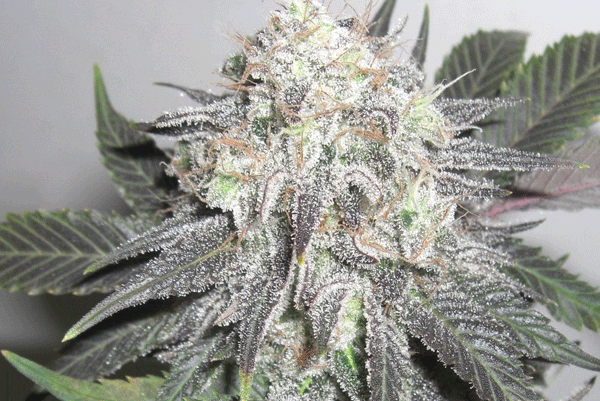
Archive images connected to Nebula Cannabis Strain Review. These images are included for identification and context, not as medical evidence.
Source trail
- Paradise Seeds – Commercial description of Nebula strain
- CannaCentral – Additional information on strain characteristics
- ISMOKEMAG – User review and product details