Patient guide
Melon Face Cannabis Strain Review & Information
The Melon Face cannabis strain is a UK-bred hybrid that has gained attention for its unique aroma, flavour, and effects. While it is marketed as a product with specific characteristics, it is important for patients and...
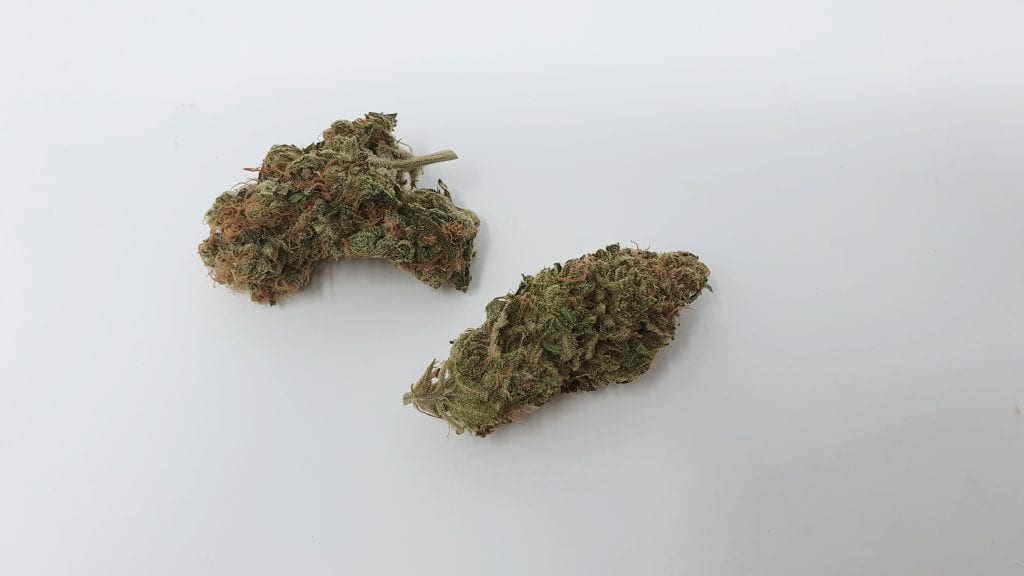
The Melon Face cannabis strain is a UK-bred hybrid that has gained attention for its unique aroma, flavour, and effects. While it is marketed as a product with specific characteristics, it is important for patients and carers to understand the variability in cannabis products, the limitations of strain descriptions, and the importance of individual response. This guide provides an evidence-based overview of the Melon Face strain, focusing on its reported features, potential uses, and considerations for patients and carers.
Key takeaways
- The Melon Face strain is a UK-bred hybrid of Chocolope and Star Killer, described as having a complex aroma with melon and menthol notes.
- It is reported to produce a strong, long-lasting high that may induce a dream-like state, though effects can vary between individuals.
- The strain is marketed as having a smooth smoking experience, though the actual experience may depend on the product's quality and preparation.
- There is limited clinical evidence to support specific therapeutic uses for this strain, and its effects can be influenced by factors such as dosage, method of use, and individual physiology.
Evidence base
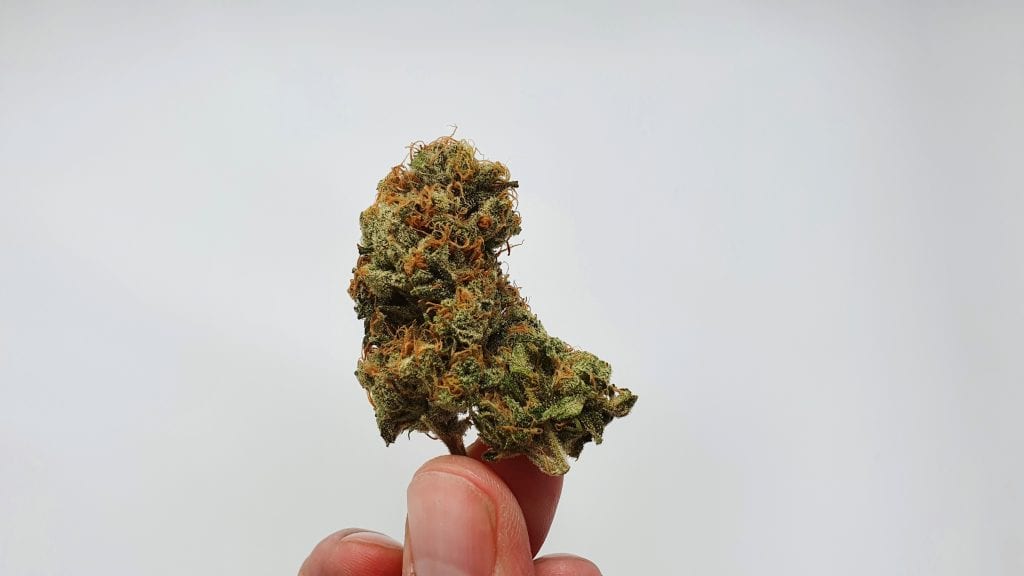
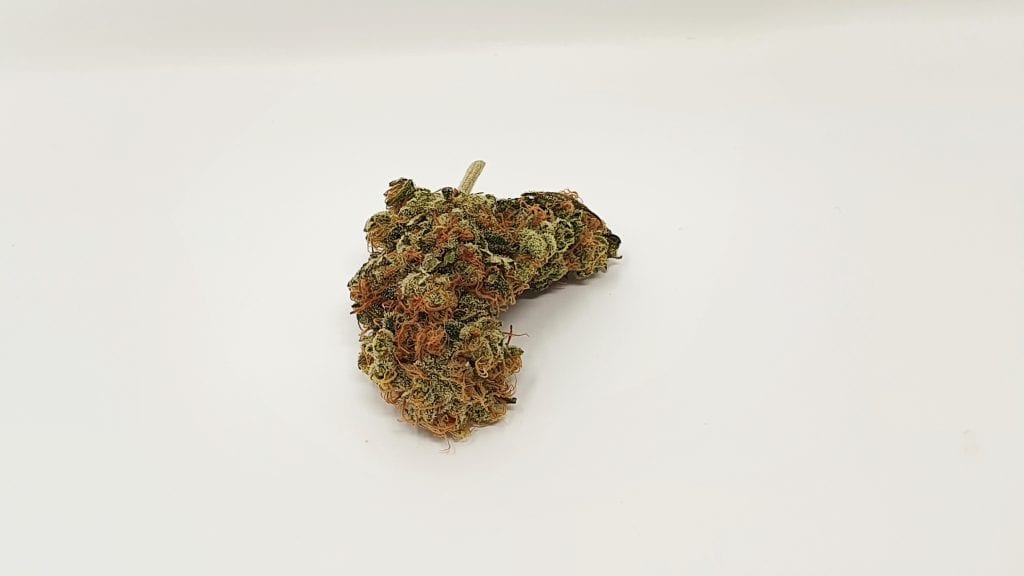
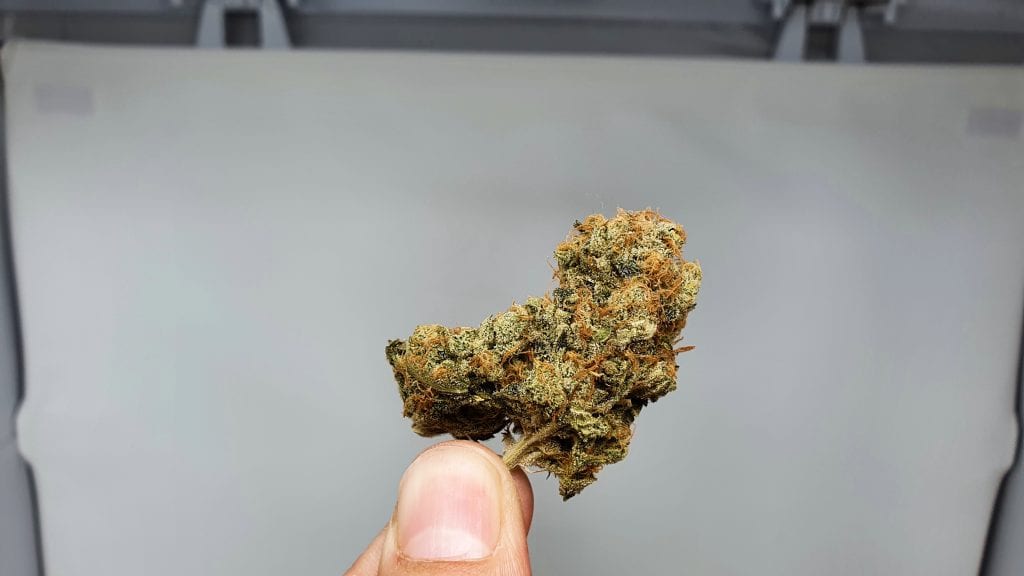
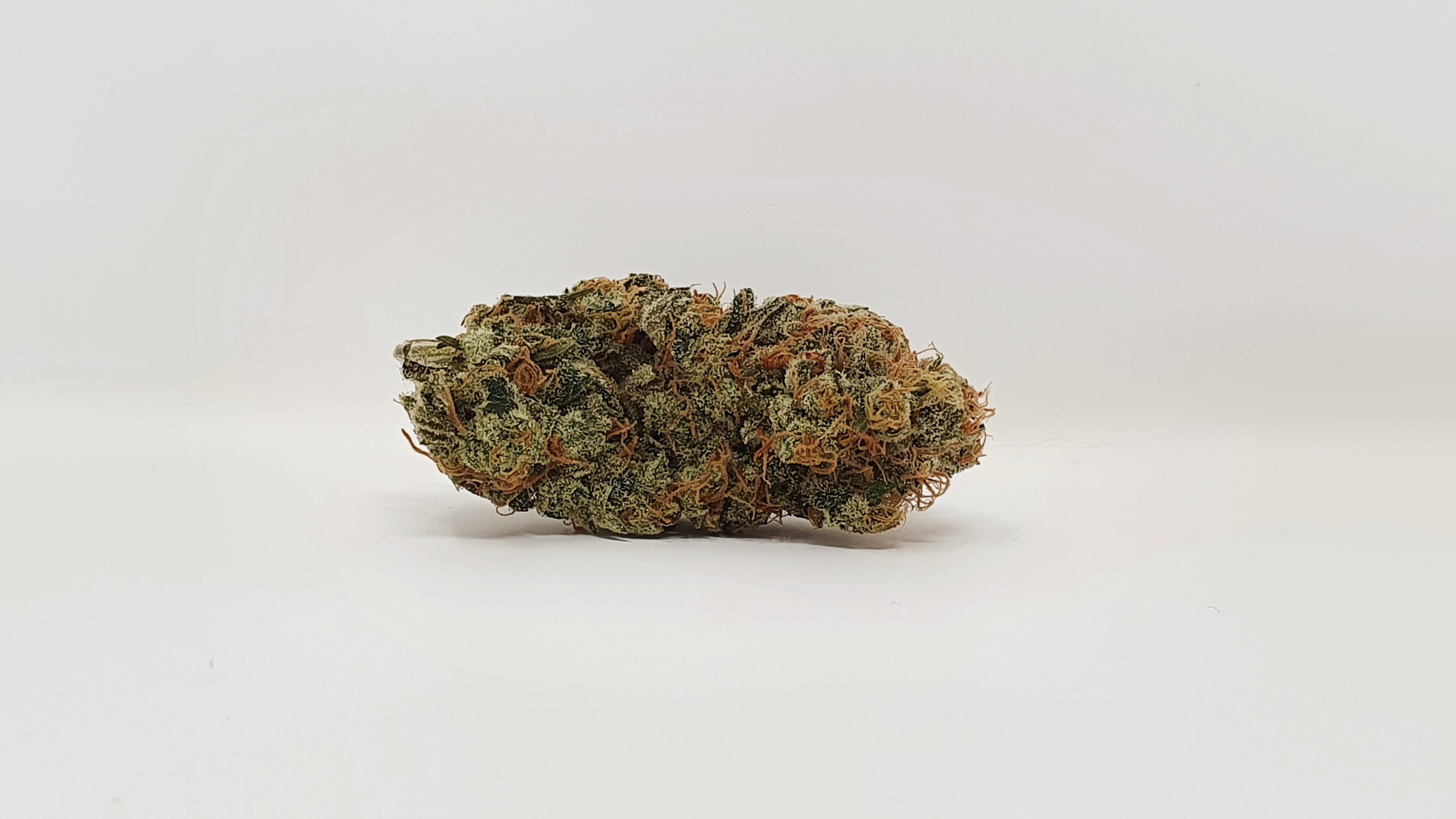
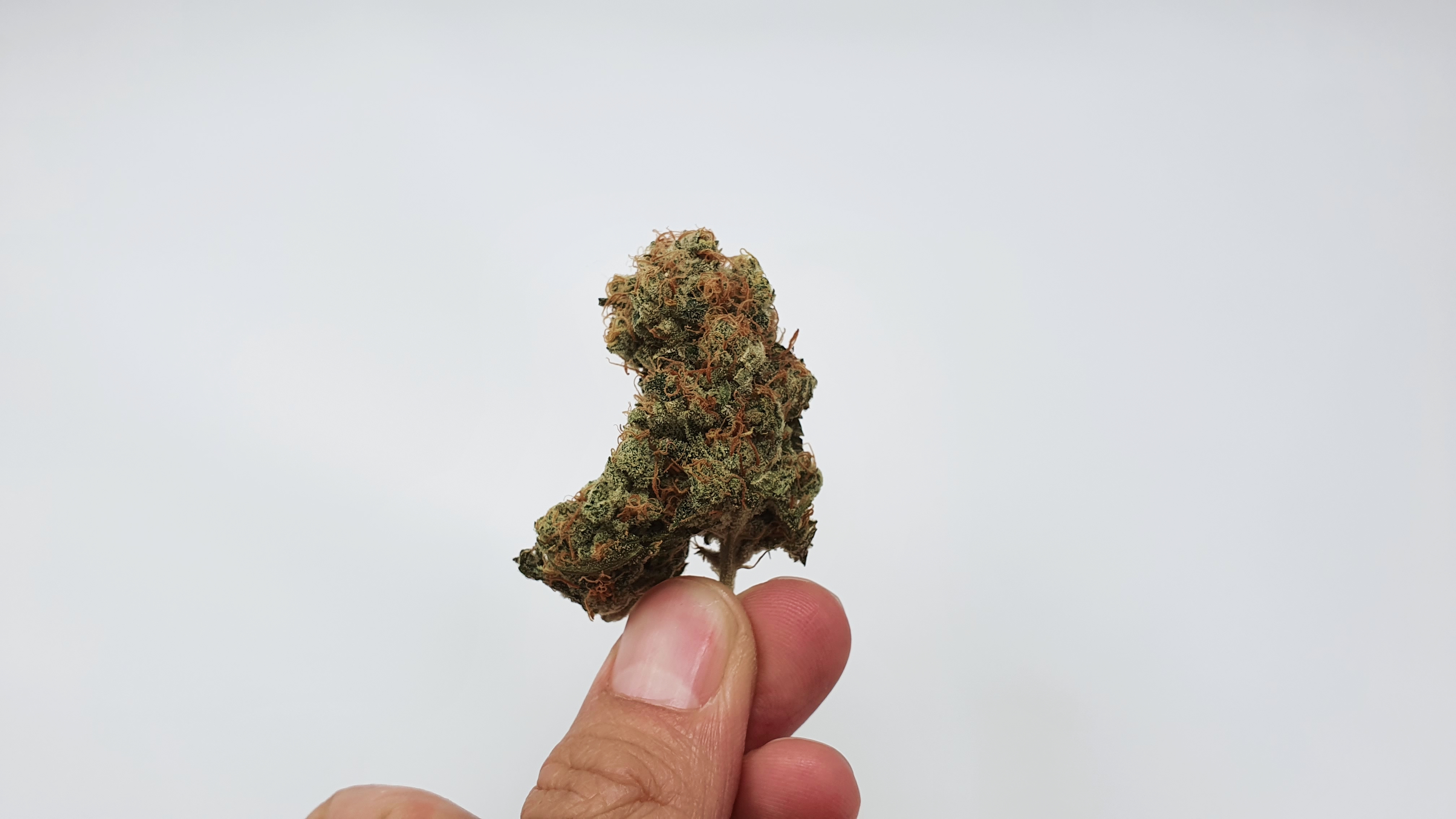
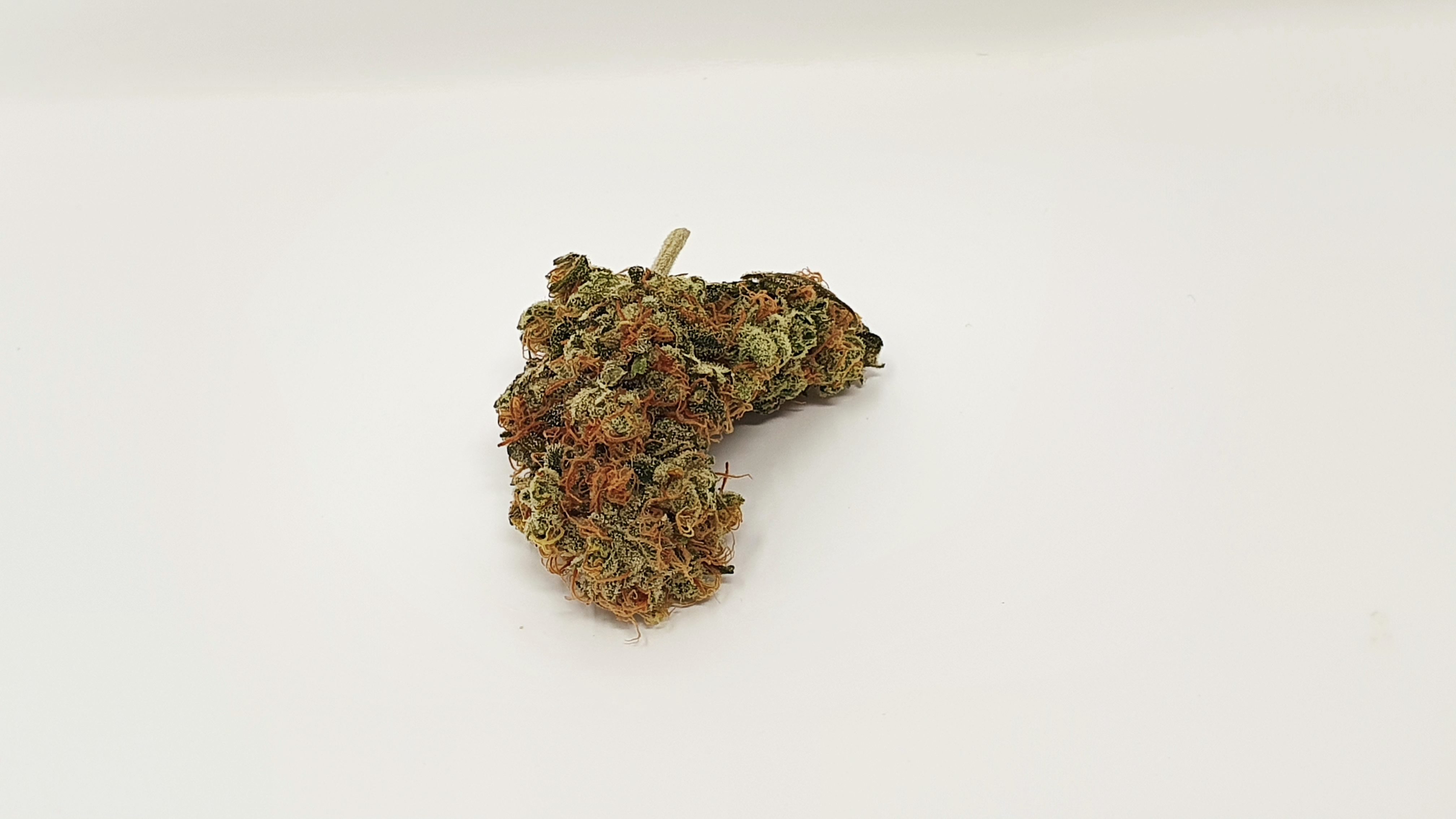
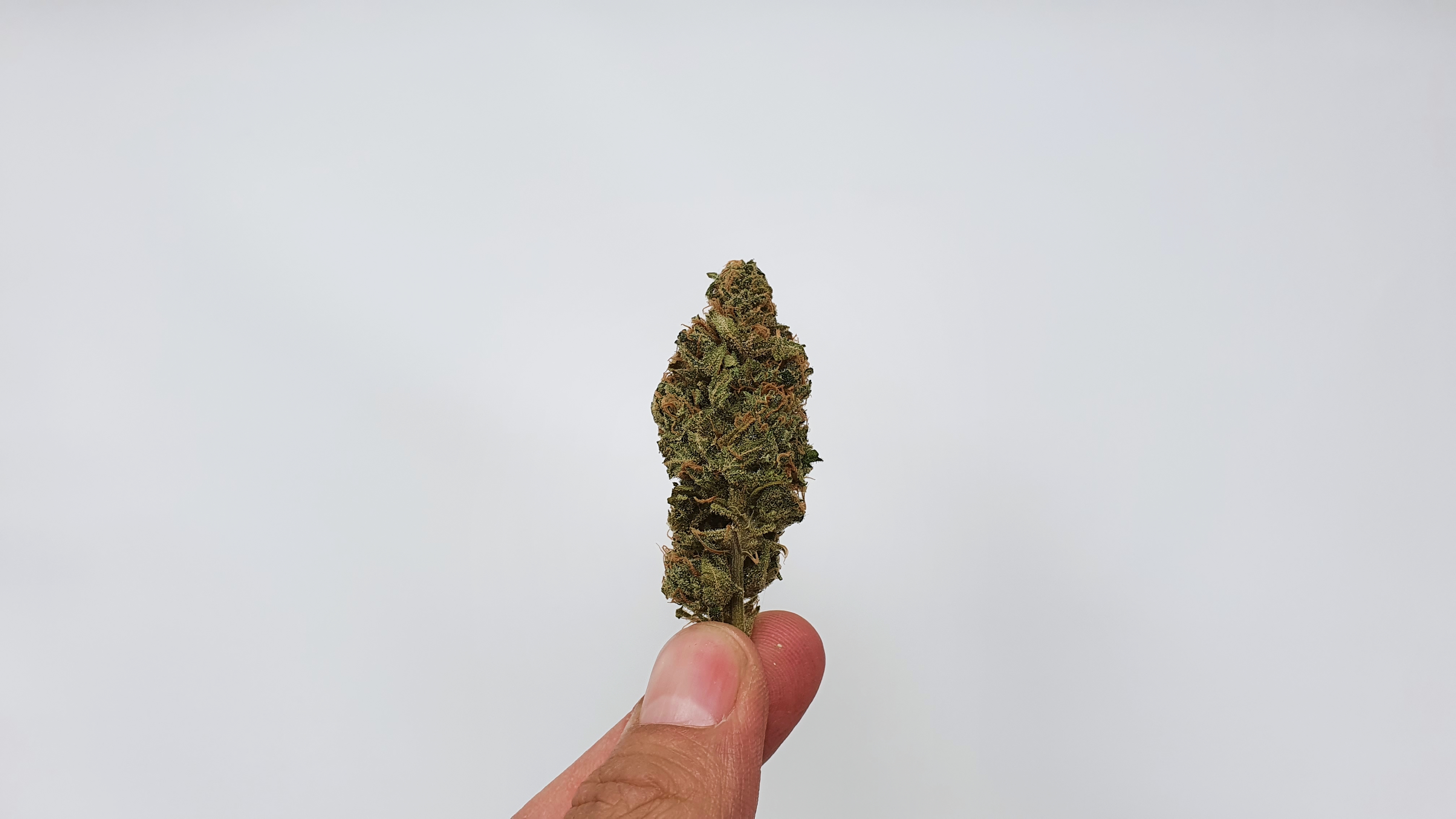
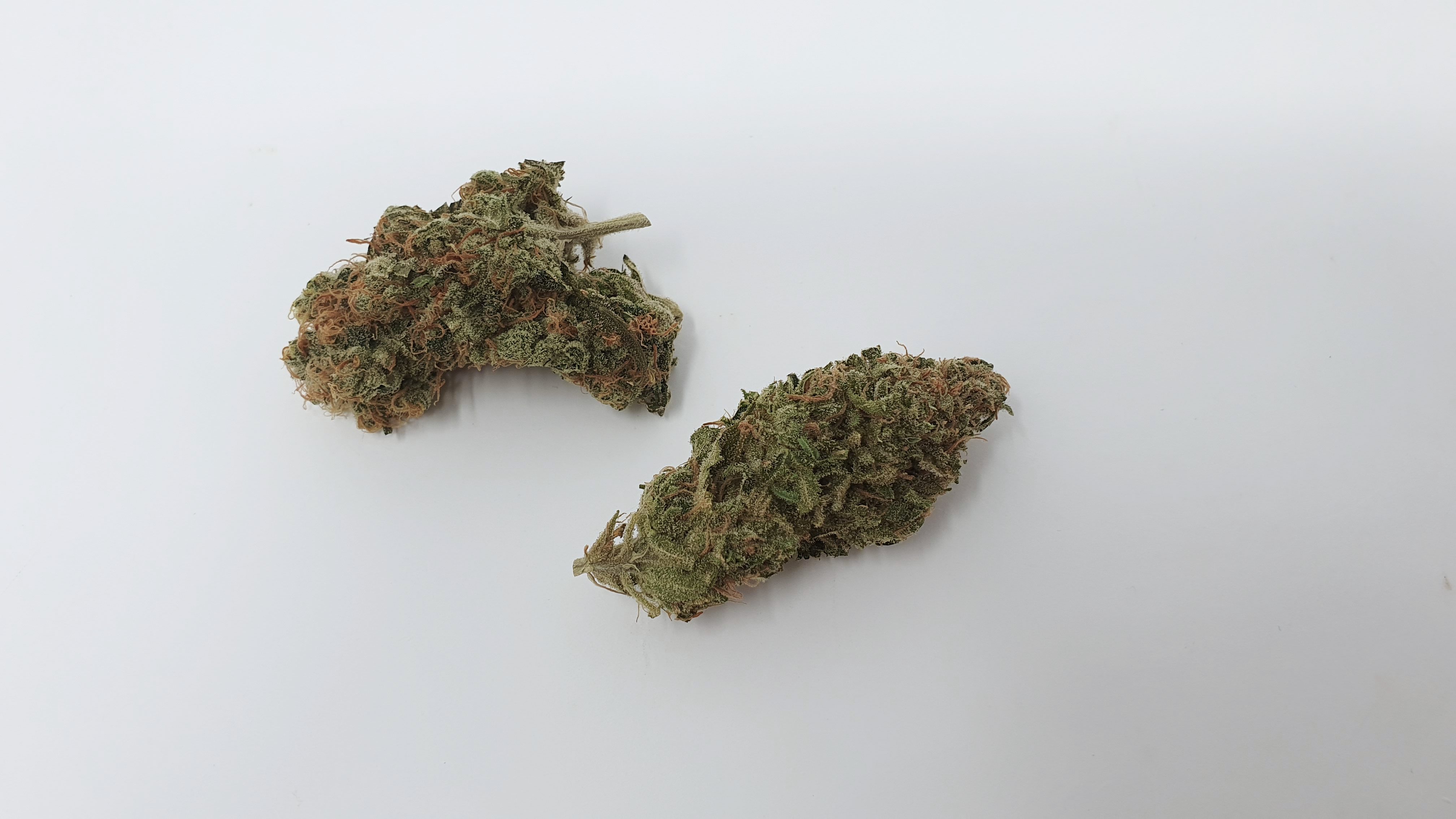
The information about the Melon Face strain is primarily based on anecdotal reports and product descriptions from commercial sources. These descriptions often highlight the strain's appearance, aroma, taste, and effects, but they are not backed by rigorous scientific studies. The strain is described as having a vibrant green colour with bright orange pistils, a pungent and gluey scent, and a taste that includes melon and menthol notes. These sensory characteristics are commonly reported in cannabis product reviews but do not necessarily correlate with therapeutic outcomes.
The effects of the Melon Face strain are described as strong and long-lasting, with some users reporting a dream-like state. However, these effects are subjective and can vary significantly between individuals. There is no clinical evidence to support the use of this strain for specific medical conditions, and its potential therapeutic benefits remain unproven. The strain's reported effects are often associated with recreational use, and its use for medicinal purposes is not recommended without professional guidance.
The method of use and product quality can also influence the experience of the Melon Face strain. The strain is typically consumed through smoking or vaping, and the quality of the product can affect the smoothness of the smoke and the intensity of the effects. However, there is no standardized testing or regulation for cannabis products in the UK, which means that the actual potency and consistency of the product may vary. This variability makes it difficult to predict the effects of the strain for individual users.
What patients should know
The Melon Face strain is a hybrid cannabis product that may be available for purchase in the UK, but it is important to understand the limitations of the information provided about it. Strain descriptions, such as those found in product reviews, are often based on subjective experiences and may not reflect the actual effects or quality of the product. Patients should be cautious about relying solely on these descriptions when making decisions about cannabis use.
The effects of the Melon Face strain can vary significantly between individuals. Factors such as dosage, method of use, and personal physiology can all influence the experience. Some users may find the strain's effects to be relaxing or euphoric, while others may experience more intense or unpredictable effects. It is important to start with a low dose and monitor how the body responds before increasing the amount used.
Patients should also be aware of the potential risks associated with cannabis use, including the possibility of adverse effects such as anxiety, dizziness, or impaired cognitive function. These effects can be more pronounced in individuals who are new to cannabis or who use higher doses. It is recommended that patients consult with a healthcare professional before using any cannabis product, especially if they have a history of mental health issues or are taking other medications.
When to speak to a clinician
Patients should consider speaking to a clinician if they experience any adverse effects from using the Melon Face strain or if they are unsure about its suitability for their needs. It is particularly important to seek professional advice if the strain is being considered for medicinal use, as there is currently no strong evidence to support its effectiveness for specific conditions. Clinicians can provide guidance on safe use, potential interactions with other medications, and the risks associated with cannabis use.
Red flags that may indicate the need for a clinician's input include the presence of severe side effects such as anxiety, paranoia, or hallucinations, as well as the development of a dependency or tolerance. Patients should also seek advice if they are using the strain for a medical condition and are not seeing any improvement, or if they are concerned about the long-term effects of cannabis use. A clinician can help assess the risks and benefits of cannabis use and provide alternative treatment options if necessary.
Questions to ask a clinician
- What are the potential risks and benefits of using the Melon Face strain for my specific condition?
- How can I safely use cannabis products to avoid adverse effects and ensure consistency in my experience?
- Are there alternative treatment options that may be more effective or safer for my needs?
Image gallery
Archive images connected to Melon Face Cannabis Strain Review & Information. These images are included for identification and context, not as medical evidence.
Source trail
- The Melon Face strain review from Ismoke Magazine provides anecdotal descriptions of its appearance, aroma, taste, and effects.
- Commercial cannabis product descriptions often highlight sensory characteristics and reported effects, but these are not backed by clinical evidence.
- Official UK guidance on cannabis use and safety is available through the NHS and the MHRA, which can provide information on the risks and regulations surrounding cannabis products.