Patient guide
Marmalade Review (2020 Update)
Marmalade, a popular cannabis strain known for its distinct orange flavour and energising effects, has been the subject of interest for both recreational and medicinal users. This review provides an updated overview of...
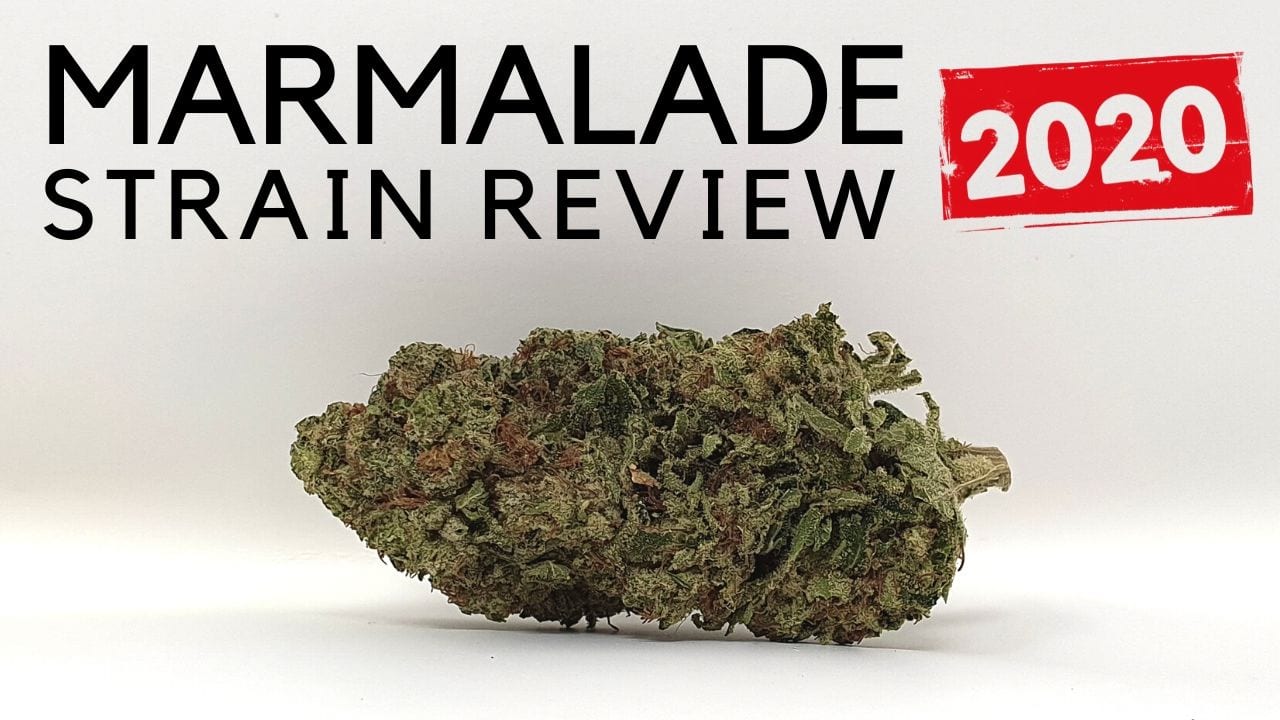
Marmalade, a popular cannabis strain known for its distinct orange flavour and energising effects, has been the subject of interest for both recreational and medicinal users. This review provides an updated overview of the strain, focusing on its characteristics, potential uses, and considerations for patients and carers. While the strain is widely available, its medical applications remain under-researched, and decisions about its use should be made with careful consideration of individual health needs and professional advice.
Key takeaways
- Marmalade is a hybrid cannabis strain bred by Lady Sativa Genetics, combining Exodus Cheese and ODV3, known for its strong orange aroma and uplifting effects.
- The strain is often described as energising and stimulating, making it potentially suitable for daytime use, though individual responses may vary.
- There is limited scientific evidence supporting specific medical uses for Marmalade, and its effects can be influenced by factors such as dosage, method of consumption, and individual physiology.
- Patients considering Marmalade should be aware of potential side effects, including anxiety or insomnia, and should consult a clinician before use, especially if they have pre-existing health conditions.
Evidence base
The available evidence on Marmalade is largely anecdotal and based on user reports rather than rigorous clinical trials. The strain is commonly associated with a stimulating and euphoric high, attributed to its high tetrahydrocannabinol (THC) content and the presence of certain terpenes, such as limonene, which are linked to mood elevation and alertness. However, these effects are not universally experienced and can vary significantly between individuals.
While some users report that Marmalade may help with conditions such as depression or chronic fatigue, there is no robust scientific data to confirm these claims. The lack of standardised dosing and the variability in product quality further complicate its use for therapeutic purposes. Additionally, the long-term health impacts of regular Marmalade use are not well understood, and more research is needed to determine its safety and efficacy in medical contexts.
The strain’s popularity in the UK has led to increased availability, but this does not necessarily equate to medical endorsement. Public health guidance in the UK generally advises that cannabis use should be approached with caution, particularly for individuals with mental health conditions or a history of substance use disorders. The Medicines and Healthcare products Regulatory Agency (MHRA) and the National Institute for Health and Care Excellence (NICE) do not currently recommend Marmalade for any specific medical condition, highlighting the need for further evidence-based research.
What patients should know
Marmalade is a cannabis strain that may offer a stimulating and mood-enhancing experience for some users. However, it is important to understand that its effects can be unpredictable and may not be suitable for everyone. The strain’s high THC content can lead to increased heart rate, anxiety, or insomnia in some individuals, particularly at higher doses. Patients with a history of mental health conditions, such as anxiety or psychosis, should be especially cautious and consult a clinician before use.
The method of consumption can also influence the effects of Marmalade. Smoking or vaping may lead to quicker onset of effects, while edibles or tinctures may take longer to take effect but last longer. This variability makes it difficult to predict how a patient will respond, and it is essential to start with low doses and monitor for any adverse reactions. Patients should also be aware that the legal status of cannabis products varies, and the availability of Marmalade may depend on local regulations and licensing.
For patients considering Marmalade for potential therapeutic benefits, it is important to note that there is currently no strong evidence to support its use for specific medical conditions. While some users report anecdotal relief for symptoms such as depression or chronic fatigue, these claims are not backed by clinical trials. Patients should not rely solely on anecdotal reports and should seek professional advice to determine whether Marmalade is appropriate for their individual needs.
When to speak to a clinician
Patients should consult a clinician before using Marmalade, especially if they have pre-existing health conditions or are taking other medications. Cannabis can interact with certain drugs, and the combination may lead to unintended side effects. A clinician can help assess the potential risks and benefits of Marmalade and determine whether it is a suitable option for the patient’s specific situation.
It is also important to speak to a clinician if the patient experiences any adverse effects, such as increased anxiety, insomnia, or changes in mood. These symptoms may indicate that the strain is not well tolerated, and a clinician can provide guidance on adjusting the dosage or exploring alternative options. Patients should also seek professional advice if they are considering using Marmalade for a medical condition, as there is currently no strong evidence to support its use for any specific health issue.
Red flags or review points to discuss with a clinician include:
- A history of mental health conditions or substance use disorders
- Current use of medications that may interact with cannabis
- Experiencing adverse effects such as anxiety, insomnia, or mood changes
- Considering use for a specific medical condition without clear evidence of benefit
Questions to ask a clinician
- What are the potential risks and benefits of using Marmalade for my specific health condition?
- How might Marmalade interact with the medications I am currently taking?
- What are the safest ways to use Marmalade, and what dosage should I consider?
Source trail
- Marmalade Review (2020 Update) – Provides an overview of the strain’s characteristics and user reports.
- Medicines and Healthcare products Regulatory Agency (MHRA)