Patient guide
LSD Cannabis strain review
The LSD cannabis strain, developed by Barney's Farm as a hybrid of Mazar-I-Sharif and Skunk No.1, is often noted for its distinct aroma and effects. While anecdotal reviews highlight its sensory qualities and potential...
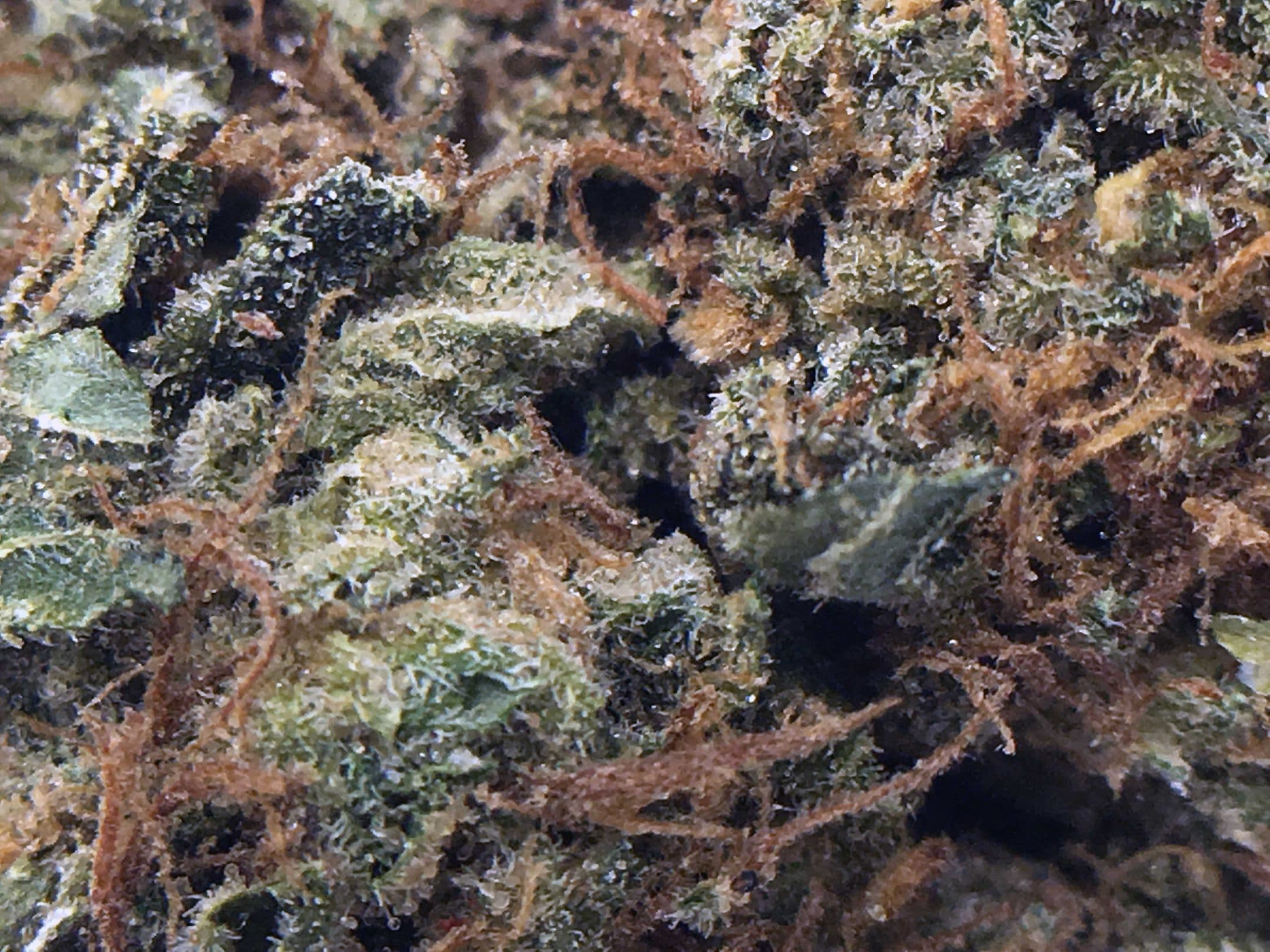
The LSD cannabis strain, developed by Barney's Farm as a hybrid of Mazar-I-Sharif and Skunk No.1, is often noted for its distinct aroma and effects. While anecdotal reviews highlight its sensory qualities and potential therapeutic benefits, it is important to approach strain-specific claims with caution. This guide provides an evidence-based overview of the LSD strain, focusing on its characteristics, potential uses, and considerations for patients and carers.
Key takeaways
- The LSD strain is a hybrid cannabis variety known for its skunk-like aroma and complex flavor profile.
- It is often described as having uplifting and relaxing effects, typical of hybrid strains.
- The potency and effects of cannabis strains can vary significantly between samples and users.
- There is limited scientific evidence to support specific medical claims for the LSD strain.
Evidence base
The LSD strain is a well-known hybrid in the cannabis market, bred for its aromatic profile and reported effects. Reviews from users and growers often describe its rich, skunk-like scent and smooth, flavorful smoke. These descriptions are largely based on subjective experiences and anecdotal reports rather than clinical trials. While some users report that the strain may help with mood elevation and relaxation, there is no robust scientific evidence to confirm these effects for specific medical conditions.
The variability in potency and effects between different batches of the LSD strain is a common issue in cannabis products. This can be influenced by factors such as growing conditions, curing processes, and the method of consumption. As a result, the experience of one user may not be replicated by another. This variability makes it challenging to draw definitive conclusions about the strain's efficacy or safety.
There is currently no official guidance from UK regulatory bodies such as the MHRA or NICE that specifically addresses the medical use of the LSD strain. While cannabis products are regulated under the Misuse of Drugs Act 1971, the specific therapeutic benefits of individual strains are not widely recognized in clinical practice. Patients should be aware that the use of cannabis strains for medical purposes is not universally supported by evidence and should be discussed with a healthcare professional.
What patients should know
The LSD strain is often marketed for its sensory and psychological effects, but these claims are not backed by clinical research. Patients considering this strain should be aware that the effects can vary significantly between individuals and between product samples. Factors such as dosage, method of consumption, and individual physiology can all influence the experience.
It is important to note that the use of cannabis, including the LSD strain, may have potential side effects such as anxiety, dizziness, or impaired coordination. These effects can be more pronounced in higher doses or in individuals who are new to cannabis use. Patients should be cautious and start with low doses to assess their response.
For patients with specific medical conditions, such as chronic pain or anxiety, the LSD strain may offer some relief, but this should not be assumed without professional advice. The lack of standardized dosing and the variability in product quality mean that the strain's effectiveness cannot be guaranteed. Patients should also be aware of the legal status of cannabis in the UK and the potential implications for their health and wellbeing.
- The effects of the LSD strain can vary between individuals and product samples.
- The strain may have potential side effects, including anxiety and dizziness.
- There is no official medical guidance supporting the use of the LSD strain for specific conditions.
When to speak to a clinician
Patients should consult a healthcare professional before using the LSD strain, especially if they have a history of mental health issues, are taking other medications, or are pregnant or breastfeeding. A clinician can help assess the potential risks and benefits based on the patient's individual health profile.
Red flags for seeking medical advice include experiencing severe side effects such as panic attacks, hallucinations, or persistent anxiety. Patients should also consult a clinician if they are unsure about the appropriate dosage or method of use. Additionally, if the strain is being considered for a specific medical condition, a healthcare provider can offer guidance on alternative treatments and the potential role of cannabis in managing symptoms.
- Severe side effects such as panic attacks or hallucinations.
- Uncertainty about dosage or method of use.
- Consideration of the strain for a specific medical condition.
Questions to ask a clinician
- What are the potential risks and benefits of using the LSD strain for my specific condition?
- How can I determine the appropriate dosage and method of use for this strain?
- Are there alternative treatments that may be more effective or safer for my condition?
Image gallery
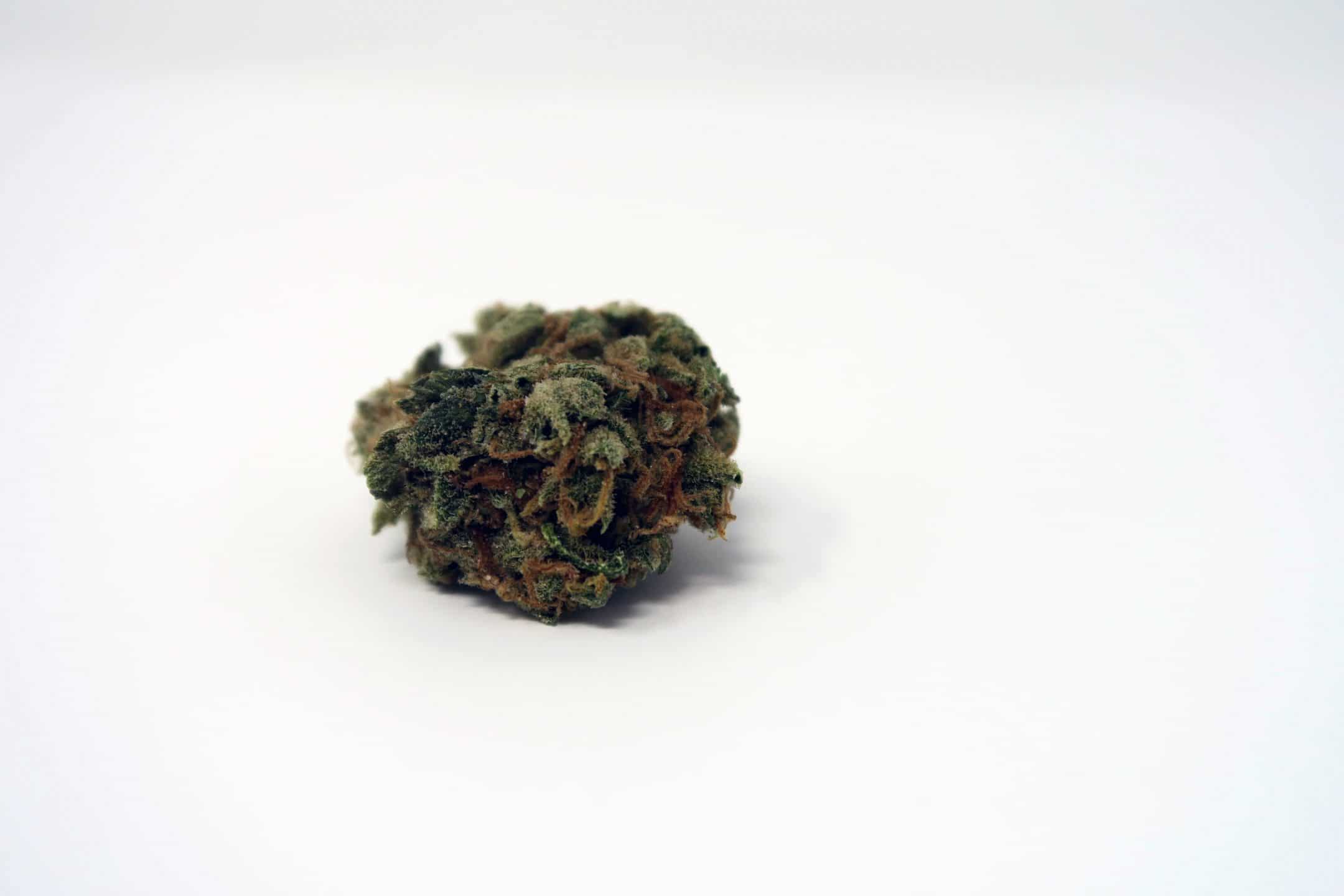
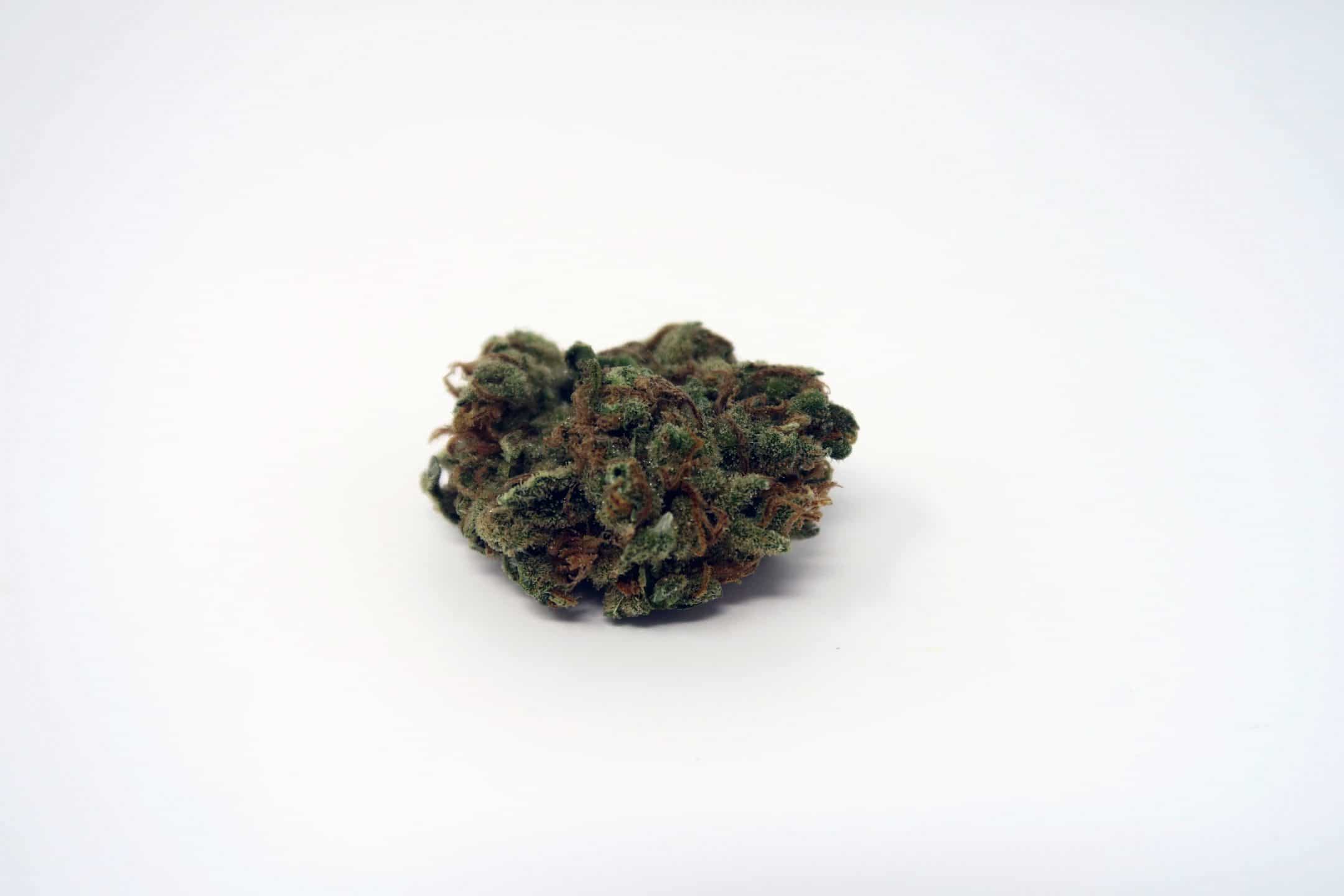
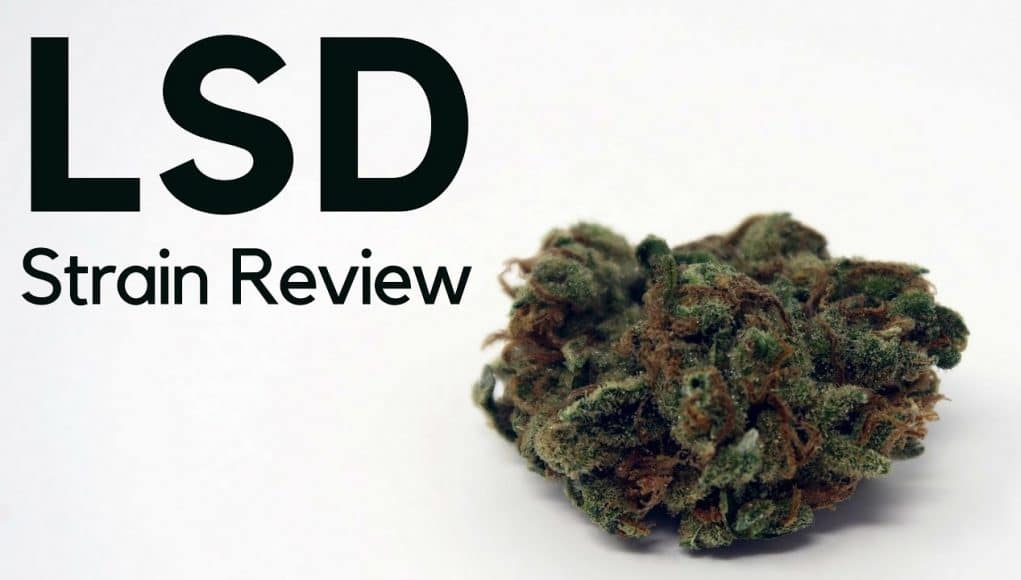
Archive images connected to LSD Cannabis strain review. These images are included for identification and context, not as medical evidence.
Source trail
- LSD Cannabis Strain Review from ISMOKE on Vimeo
- Misuse of Drugs Act 1971 – UK legislation on cannabis regulation
- MHRA and NICE guidance on cannabis use in the UK