Patient guide
Lemon Shining Silver Haze Cannabis Strain Review
The Lemon Shining Silver Haze cannabis strain is a popular choice among recreational and medicinal users due to its potent effects and distinct aroma. However, for patients and carers seeking to understand its potential...

The Lemon Shining Silver Haze cannabis strain is a popular choice among recreational and medicinal users due to its potent effects and distinct aroma. However, for patients and carers seeking to understand its potential benefits and risks, it is essential to approach the information with a critical eye. This guide provides an overview of the strain’s characteristics, the evidence supporting its use, and practical considerations for patients and carers.
Key takeaways
- Lemon Shining Silver Haze is a hybrid strain with a 75% sativa and 25% indica composition, known for its energizing and uplifting effects.
- The strain has a THC content of approximately 21%, placing it among the higher potency cannabis products available.
- It is typically consumed through smoking or vaping, with users reporting a strong citrusy aroma and a vibrant, citrus-forward flavour profile.
- Due to its stimulating effects, it is generally recommended for daytime use rather than evening or nighttime consumption.
Evidence base
The Lemon Shining Silver Haze strain is a cross between Lemon Skunk and Shining Silver Haze, a variant of the popular Super Silver Haze. As a hybrid, it combines the cerebral effects of sativa with the relaxing properties of indica. The strain is marketed as having a high THC content, which is supported by the source material indicating a potency of around 21%. However, it is important to note that the actual THC content can vary depending on the cultivation methods, growing conditions, and the specific product formulation.
While the strain’s effects are described as energizing and uplifting, there is limited clinical evidence to support its use for specific medical conditions. The source material highlights anecdotal reports of increased energy and a "perk up" effect, which may be beneficial for individuals seeking to manage fatigue or low mood. However, these effects are not backed by rigorous scientific studies, and the long-term safety and efficacy of cannabis strains like Lemon Shining Silver Haze remain areas of ongoing research.
The aroma and flavour profile of the strain are well-documented in the source material, with users noting a strong citrusy scent and a sweet haze aroma. These sensory characteristics are important for users who may prefer certain flavours or aromas, but they do not provide medical evidence for therapeutic benefits. The strain’s potency and effects are also influenced by the method of consumption, with smoking or vaping delivering the active compounds more rapidly than other methods such as edibles or topical applications.
What patients should know
For patients considering the use of Lemon Shining Silver Haze, it is crucial to understand that the strain is primarily associated with recreational use and anecdotal reports rather than clinical evidence. The high THC content may offer temporary relief for symptoms such as fatigue or low mood, but these effects are not consistently documented in medical literature. Patients should be aware that the strain’s effects can vary significantly between individuals, and the potency may not be suitable for everyone.
The method of consumption plays a significant role in the experience of the strain. Smoking or vaping can lead to a rapid onset of effects, which may be beneficial for short-term relief but could also increase the risk of adverse reactions, particularly in individuals who are new to cannabis use. It is important for patients to start with a low dose and monitor their response before increasing the amount. Additionally, the strain’s energizing effects may interfere with sleep, making it unsuitable for evening or nighttime use.
Patients should also be mindful of the legal and regulatory landscape surrounding cannabis use in the UK. While cannabis products are available for medical use under specific conditions, the availability and legality of recreational strains like Lemon Shining Silver Haze may vary depending on local laws and regulations. It is advisable for patients to consult with a healthcare professional to understand the legal implications and potential risks associated with using such strains.
When to speak to a clinician
Patients should consider speaking to a clinician if they are experiencing any adverse effects from using Lemon Shining Silver Haze, such as anxiety, paranoia, or sleep disturbances. These symptoms may be exacerbated by the strain’s high THC content, and a healthcare professional can provide guidance on managing these effects. It is also important to consult a clinician if the strain is being used for medical purposes, as the effectiveness and safety of cannabis strains for specific conditions are not well-established.
Red flags that warrant a discussion with a clinician include persistent or worsening symptoms, increased heart rate, or difficulty concentrating. Patients should also seek medical advice if they are concerned about the legal status of the strain or if they are unsure about the appropriate dosage. A clinician can help assess the potential benefits and risks of using the strain and provide recommendations based on the patient’s individual needs and circumstances.
Questions to ask a clinician
- What are the potential benefits and risks of using Lemon Shining Silver Haze for my specific condition?
- How can I safely determine the appropriate dosage for this strain?
- Are there any interactions between this strain and my current medications or treatments?
Image gallery
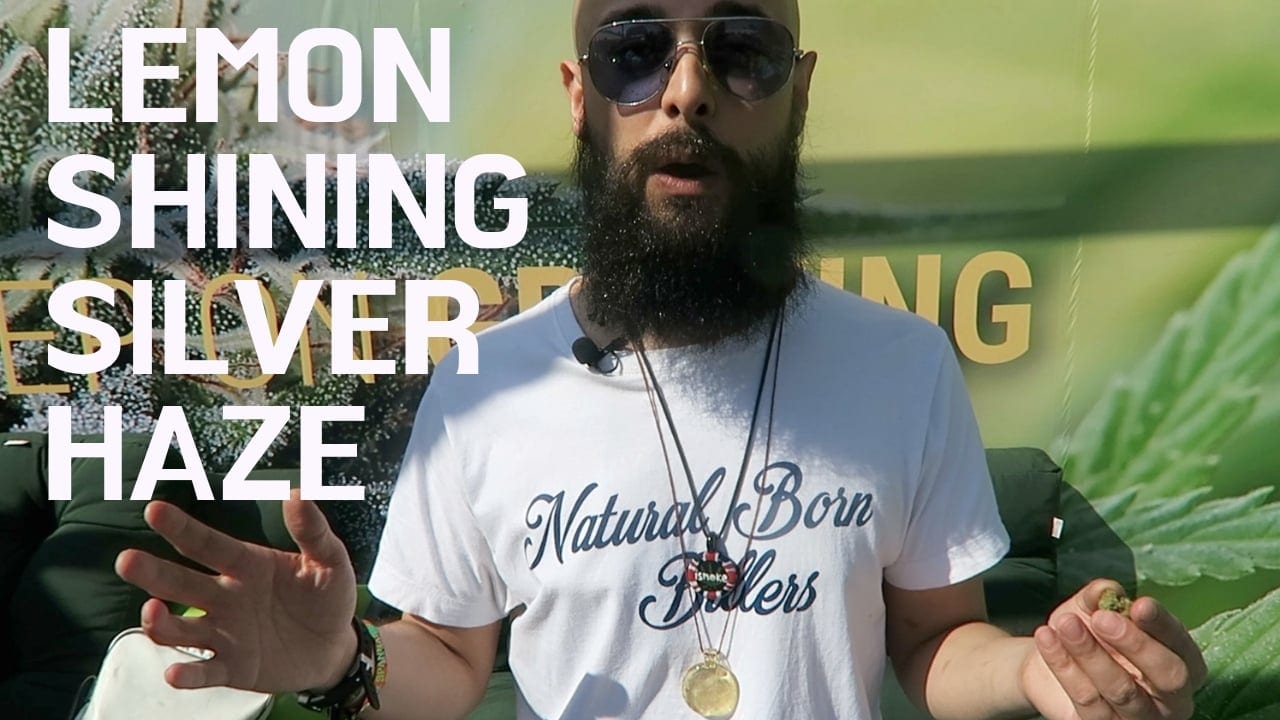
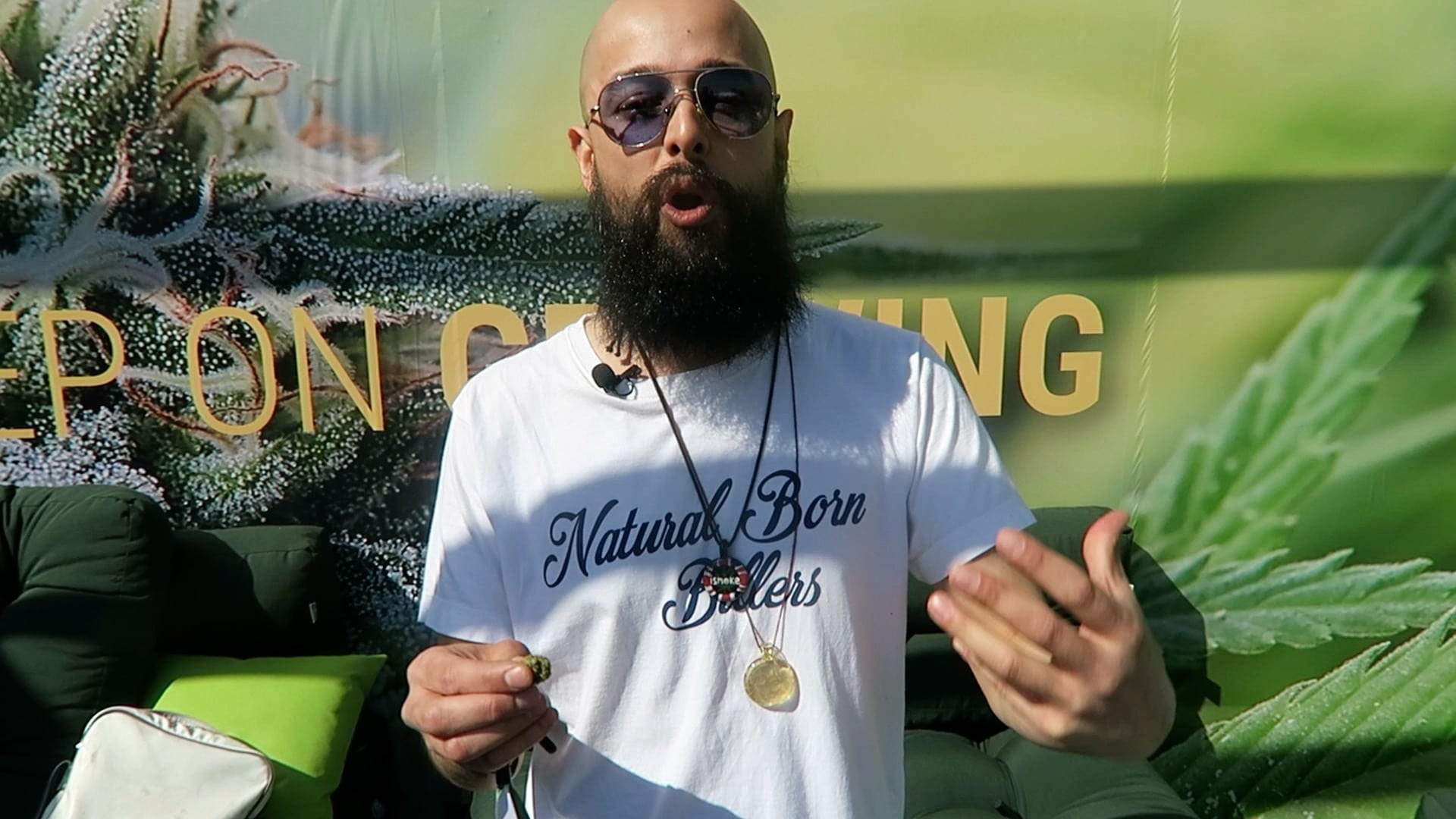
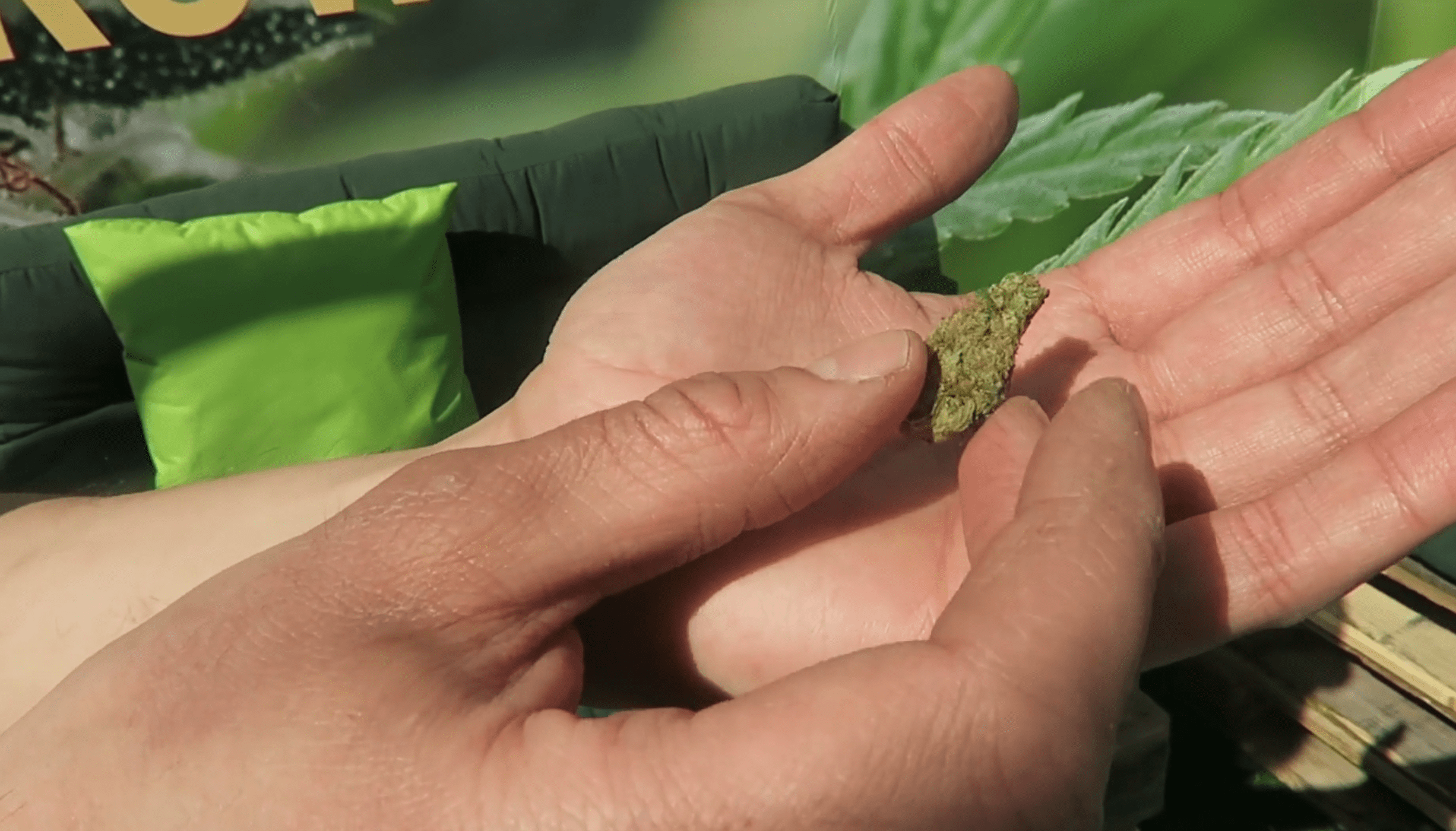
Archive images connected to Lemon Shining Silver Haze Cannabis Strain Review. These images are included for identification and context, not as medical evidence.

Source trail
- Royal Queen Seeds – Official strain information and product details
- Ismoke Magazine – Strain review and user experience insights
- UK Government guidance on cannabis use and medical cannabis regulations