Patient guide
Lavender Cannabis Strain Review
The Lavender cannabis strain, often associated with its floral aroma and indica effects, is a topic of interest for patients and carers seeking information on its potential therapeutic benefits and variability in...
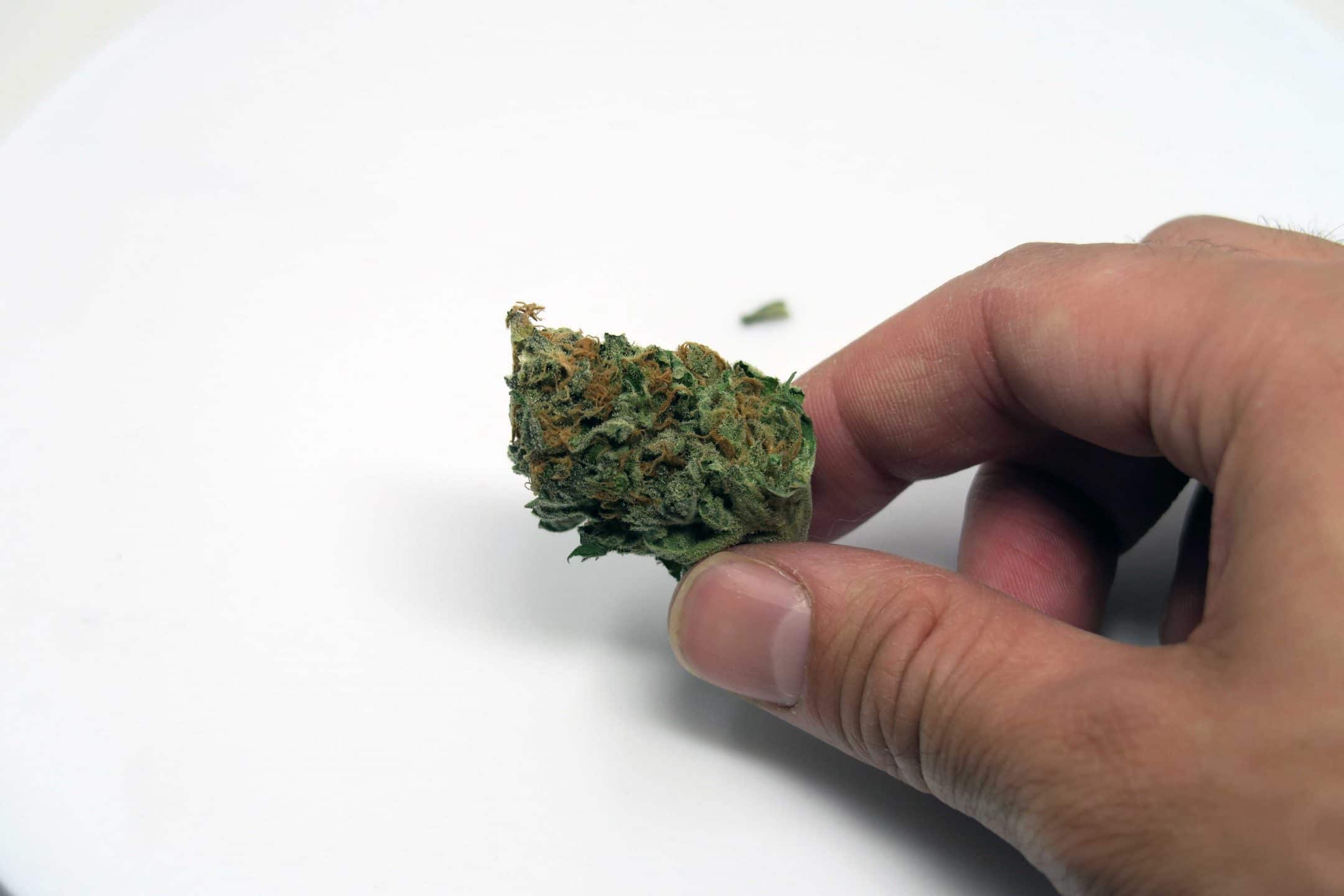
The Lavender cannabis strain, often associated with its floral aroma and indica effects, is a topic of interest for patients and carers seeking information on its potential therapeutic benefits and variability in product quality. This review aims to provide a balanced and evidence-based overview of the Lavender strain, focusing on its characteristics, potential uses, and considerations for patients and carers. It is important to approach any cannabis product with caution, considering individual health needs and the current regulatory landscape.
Key takeaways
- The Lavender cannabis strain is an indica hybrid with a complex genetic background, combining elements from Super Skunk, Big Skunk Korean, and Afghani Hawaiian.
- It is known for its floral and sweet aroma, which may be attributed to its terpene profile, including linalool.
- The strain is reported to produce relaxing effects, potentially beneficial for pain relief and relaxation, though individual experiences may vary.
- The quality and potency of Lavender cannabis products can vary significantly depending on the source and preparation method.
Evidence base
The Lavender cannabis strain is primarily discussed in informal and anecdotal contexts, with limited peer-reviewed research on its specific effects or therapeutic applications. The strain's name and characteristics are often derived from its aromatic profile, which is believed to be influenced by its terpene composition, particularly linalool. While some users report a calming and relaxing effect, these experiences are subjective and not universally consistent. The strain's popularity is largely based on user reviews and anecdotal reports rather than clinical trials. There is no robust evidence to support specific medical claims for Lavender, and its use should be approached with caution, especially for individuals with pre-existing health conditions or those taking other medications. The variability in product quality and potency further complicates the assessment of its potential benefits.
The lack of standardised testing and regulation in the cannabis market means that the actual potency and composition of Lavender products can differ significantly from one source to another. This variability makes it difficult to draw definitive conclusions about its efficacy or safety. While some studies have explored the potential therapeutic effects of linalool, a terpene found in Lavender, these findings are not specific to the strain itself and are often extrapolated from broader research on cannabis compounds. As such, the evidence base for the Lavender strain remains limited and largely anecdotal.
In the UK, the legal status of cannabis products is strictly regulated, and the use of cannabis for medicinal purposes is subject to specific guidelines and licensing requirements. Patients and carers should be aware that the availability and legality of Lavender cannabis products can vary, and it is essential to consult with a healthcare professional before considering its use. The absence of comprehensive clinical data means that the potential benefits and risks of Lavender cannabis cannot be fully assessed through current scientific evidence.
What patients should know
The Lavender cannabis strain is often marketed for its calming and relaxing effects, which may be appealing to individuals seeking relief from stress, anxiety, or chronic pain. However, it is important to note that these effects are based on anecdotal reports and not on clinical evidence. Patients should be cautious about relying solely on these claims and should consider consulting with a healthcare provider to determine if cannabis products are appropriate for their specific condition. The variability in product quality and potency means that the experience with Lavender can differ significantly from one product to another, making it difficult to predict outcomes.
The use of cannabis products, including Lavender, can have side effects such as dizziness, dry mouth, and changes in appetite. These effects can vary depending on the individual and the dosage. Patients should be aware of the potential for interactions with other medications and should discuss any existing health conditions with a healthcare professional before using cannabis products. It is also important to consider the legal implications of cannabis use, as the availability and legality of products can vary depending on the region and the specific product.
Patients and carers should be mindful of the lack of standardised testing and regulation in the cannabis market. This means that the actual potency and composition of Lavender products can differ significantly from one source to another. As a result, it is difficult to assess the consistency of its effects or safety. Patients should also be aware that the long-term effects of cannabis use are not fully understood, and more research is needed to determine its potential benefits and risks.
When to speak to a clinician
Patients and carers should consider speaking to a clinician if they are experiencing symptoms that may be related to cannabis use or if they are considering using Lavender for therapeutic purposes. It is important to discuss any existing health conditions, medications, or allergies before using cannabis products. A clinician can provide guidance on the potential benefits and risks of using Lavender and can help determine if it is appropriate for the individual's specific needs.
Red flags or review points to consider when speaking to a clinician include:
- Any history of mental health conditions or substance use disorders
- The presence of other medications or supplements that may interact with cannabis
- The presence of symptoms such as dizziness, nausea, or changes in mood
- Concerns about the legality or availability of cannabis products in the local area
Questions to ask a clinician
- What are the potential benefits and risks of using Lavender cannabis for my specific condition?
- How might Lavender interact with the medications or supplements I am currently taking?
- Are there any alternative treatments that may be more effective or safer for my condition?
Image gallery
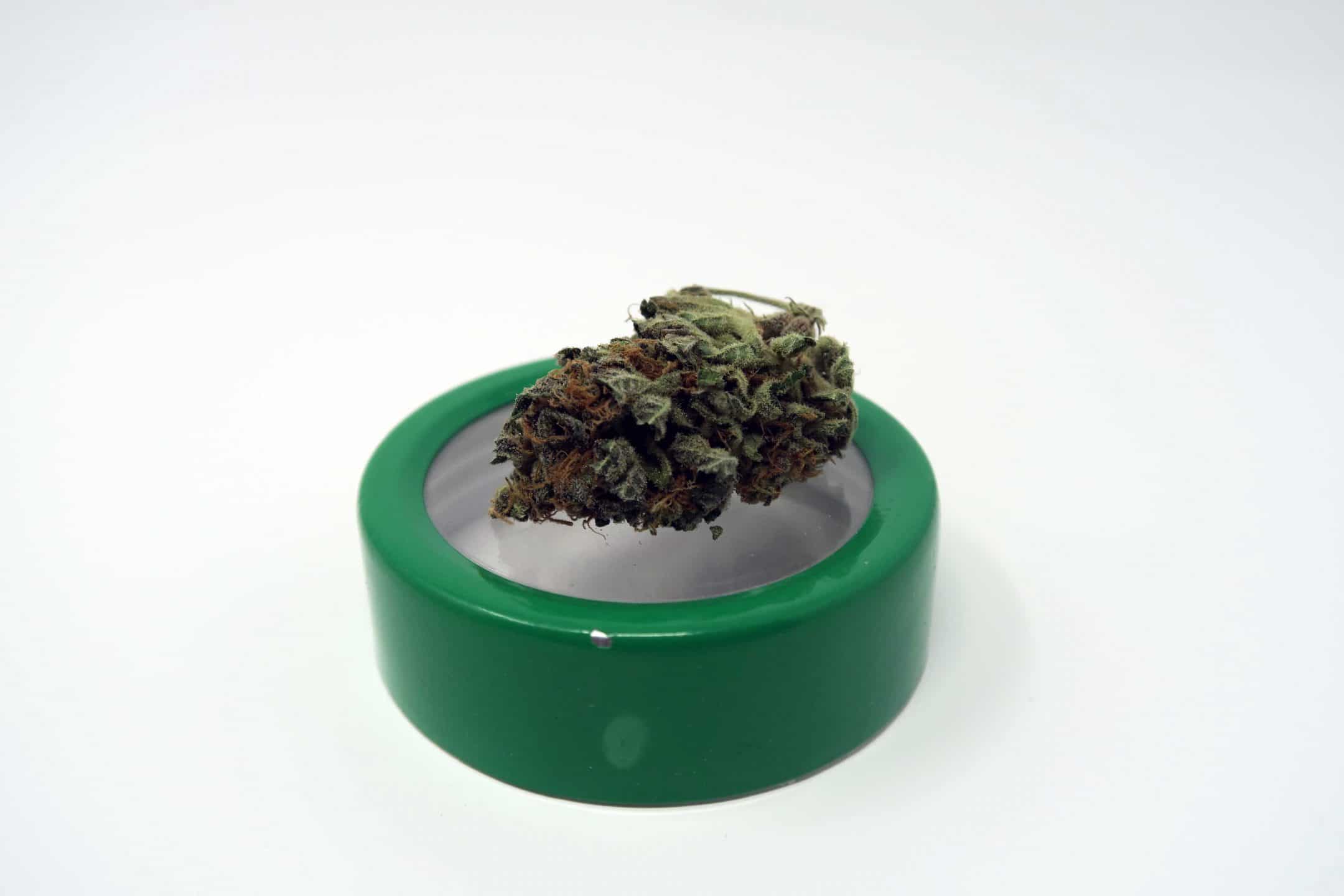
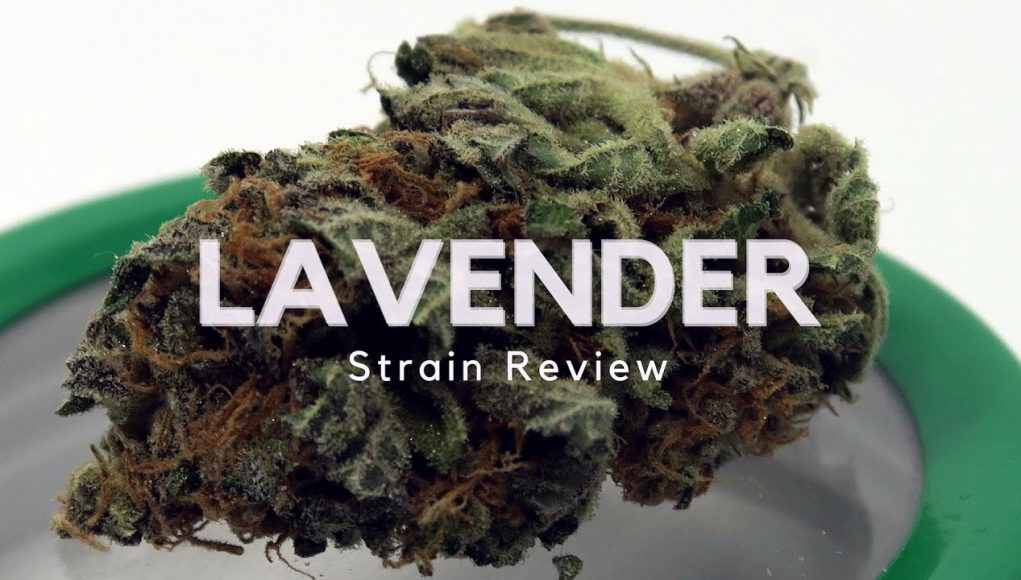
Archive images connected to Lavender Cannabis Strain Review. These images are included for identification and context, not as medical evidence.
Source trail
- The original source material provides anecdotal insights into the Lavender cannabis strain, including its appearance, smell, taste, and effects.
- Official UK guidance on cannabis use and regulations can be found on the NHS and GOV.UK websites.
- Information on the potential therapeutic effects of linalool and other terpenes can be found in scientific literature and peer-reviewed studies.