
Medical Education
Interview: London Grow Gang
The interview with London Grow Gang provides a personal perspective on cannabis use, cultivation, and the broader context of its legal and health implications. While the interview highlights individual experiences and...
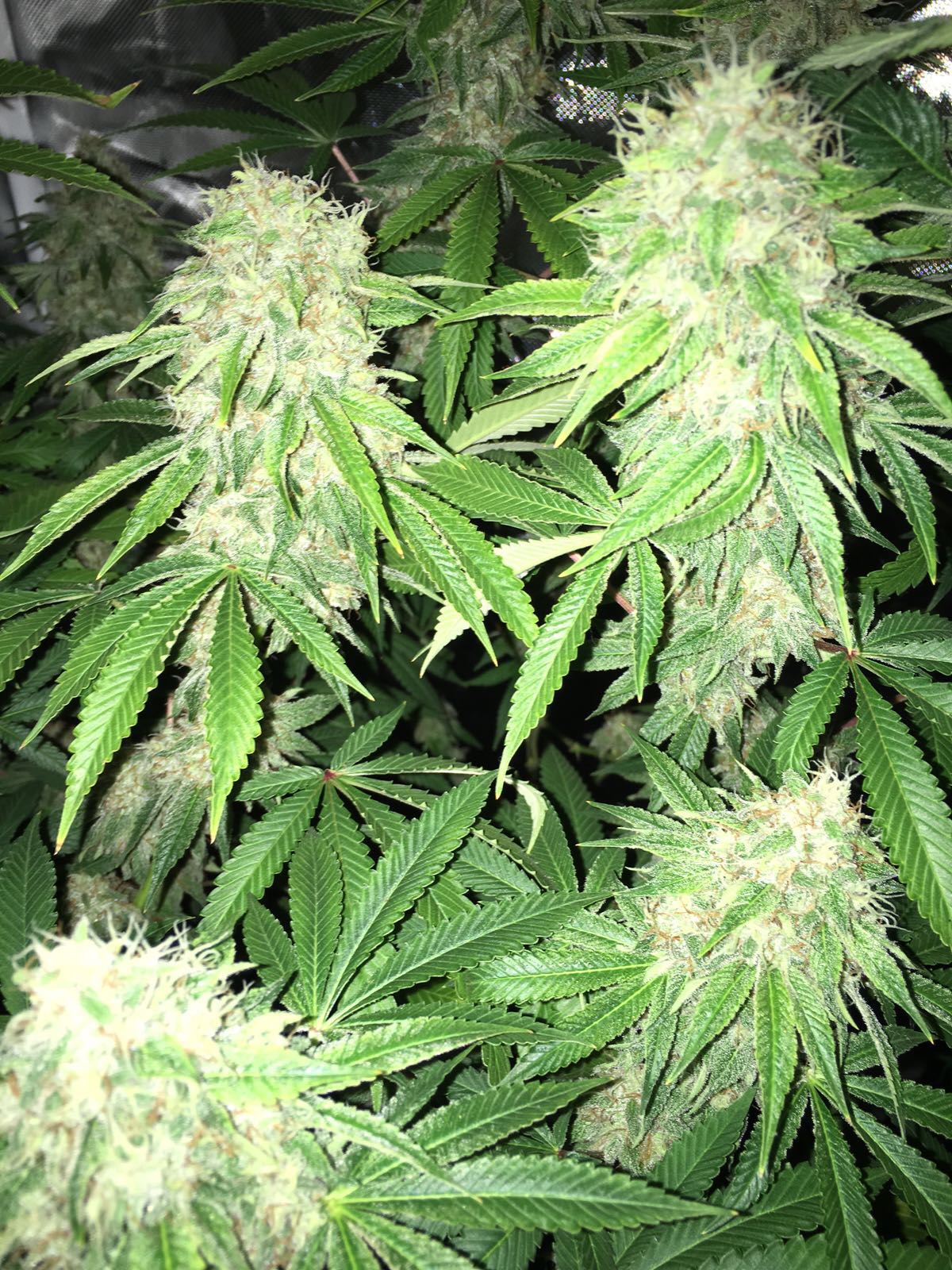
The interview with London Grow Gang provides a personal perspective on cannabis use, cultivation, and the broader context of its legal and health implications. While the interview highlights individual experiences and opinions, it is important to approach the information with a critical eye, considering the current medical and legal landscape in the UK. This article aims to distil key insights from the interview, present the available evidence, and guide patients and carers in making informed decisions about cannabis use.
Key takeaways
- Cannabis can be used both recreationally and medicinally, with varying methods of consumption such as smoking, edibles, and vaporisation.
- Growing cannabis at home can offer control over the quality and purity of the product, which may be appealing to some users.
- The legal status of cannabis in the UK remains complex, with restrictions on cultivation and possession.
- The interview highlights the personal motivations behind cannabis use and cultivation, but these should not be considered medical advice.
Evidence base
The use of cannabis in the UK is governed by a range of laws and regulations, including the Misuse of Drugs Act 1971, which classifies cannabis as a Class B drug. Possession and cultivation of cannabis are illegal without specific exemptions, such as for medical use under a licence from the Medicines and Healthcare products Regulatory Agency (MHRA). While the interview mentions the benefits of cannabis for health, the evidence base for its therapeutic use is mixed.
Some studies suggest that cannabis may help with conditions such as chronic pain, nausea, and muscle spasms, but the evidence is often limited by small sample sizes, lack of long-term data, and potential for misuse. The MHRA and the National Institute for Health and Care Excellence (NICE) have issued guidance on the use of cannabis-based medicines, but these are typically for specific conditions and require specialist oversight. The interview also touches on the issue of product quality, which is a concern for users seeking safe and effective cannabis products.
However, the lack of standardised testing and regulation for non-medical cannabis products means that users cannot always be certain of the potency or safety of what they are consuming. The cultivation of cannabis, as discussed in the interview, is a personal and often illegal activity in the UK. While some individuals may grow cannabis for personal use, this is not permitted under current law.
The interview highlights the appeal of growing one’s own cannabis for control over quality, but this does not address the legal risks or the potential for health impacts associated with cultivation, such as exposure to harmful substances or the risk of accidental ingestion by children. There is limited evidence on the health effects of growing cannabis, but the focus of the interview is more on personal experience than on scientific data. The interview also touches on the broader social and legal context of cannabis use, including the impact of prohibition and the availability of legal alternatives.
However, the evidence base for the health and social benefits of cannabis use is not robust. While some users may report positive effects, these are often subjective and not supported by rigorous scientific studies. The UK government has not yet implemented a legal framework for the regulated use of cannabis, and any changes would require extensive public consultation and legislative review.
What patients should know
Cannabis use, whether recreational or medicinal, is a complex issue with potential benefits and risks. For patients considering cannabis for medical purposes, it is important to understand that the evidence for its effectiveness is limited and varies depending on the condition being treated. Some studies suggest that cannabis may help with symptoms such as pain, nausea, and anxiety, but these findings are not universally applicable. Patients should be aware that cannabis use can also have side effects, including impaired cognitive function, increased heart rate, and the potential for dependency.
It is crucial to consult with a healthcare professional before starting any cannabis-based treatment, as they can provide guidance on appropriate dosing, potential interactions with other medications, and the risks associated with long-term use. For patients who are considering growing their own cannabis, it is important to be aware of the legal implications. In the UK, growing cannabis without a licence is illegal and can result in criminal charges. Even if the intention is for personal use, the law does not distinguish between recreational and medicinal cultivation.
Patients should also be aware of the health risks associated with growing cannabis, such as exposure to harmful substances and the potential for accidental ingestion by children. These risks are not fully understood, and there is limited evidence on the long-term health effects of cannabis cultivation. Patients should also be aware of the variability in cannabis products. The potency and composition of cannabis can vary widely, and this can affect the experience and potential risks of use.
While some users may prefer edibles or other forms of consumption, these methods can also carry risks, such as delayed onset of effects and the potential for overconsumption. Patients should be cautious about the source of their cannabis and consider the availability of legal, regulated products if they are seeking a safer alternative.
When to speak to a clinician
Patients should speak to a clinician if they are considering using cannabis for medical purposes, especially if they have a pre-existing health condition or are taking other medications. A clinician can help assess the potential benefits and risks of cannabis use and determine whether it is appropriate for the individual’s situation. It is also important to consult a clinician if patients experience any adverse effects from cannabis use, such as changes in mood, sleep disturbances, or cognitive impairment. These effects can be temporary or long-lasting, and a clinician can provide guidance on managing them.
Patients should also speak to a clinician if they are considering growing their own cannabis. While the interview highlights the appeal of growing one’s own cannabis for control over quality, it is important to understand the legal and health risks involved. A clinician can provide information on the potential dangers of cultivation and help patients make informed decisions about their use of cannabis.
Source trail
- [Source 1] archive