
Strains
How to Harvest Cannabis
The process of harvesting cannabis can be a critical step in ensuring the quality and safety of the final product. For patients and carers, understanding how to safely harvest, store, and handle cannabis is essential to...
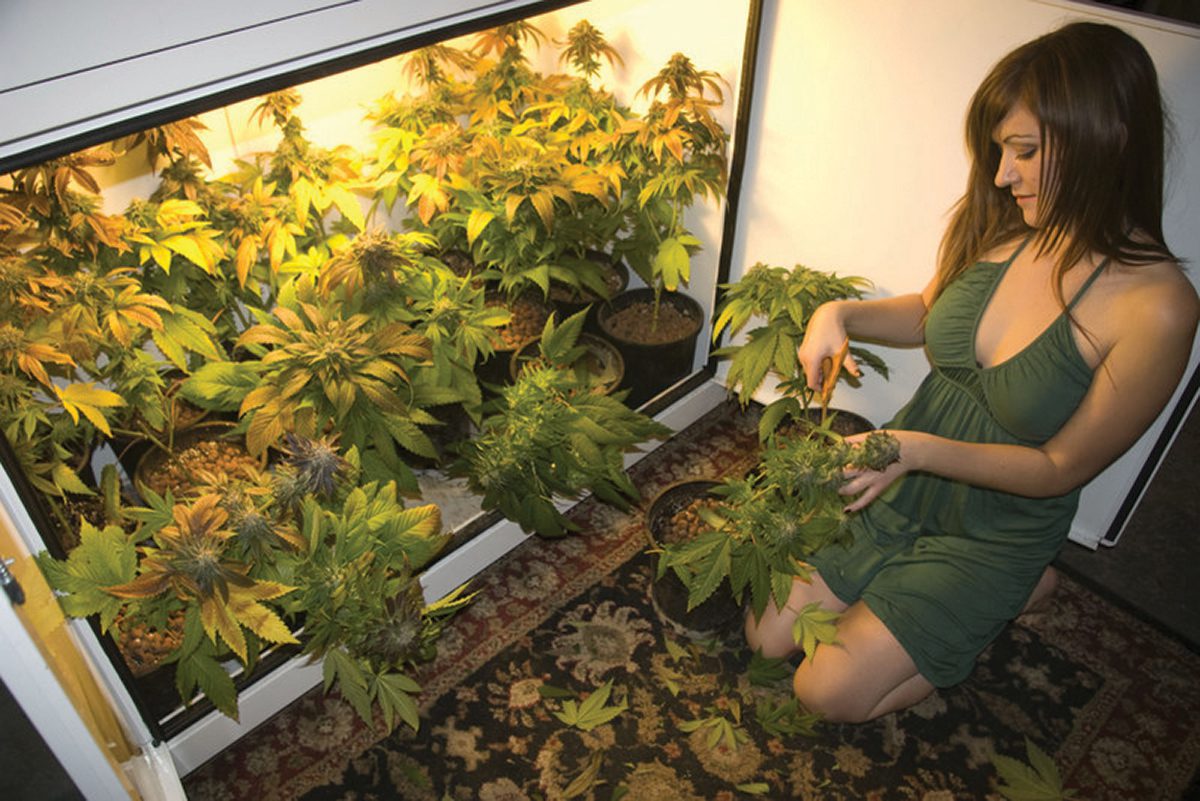
The process of harvesting cannabis can be a critical step in ensuring the quality and safety of the final product. For patients and carers, understanding how to safely harvest, store, and handle cannabis is essential to avoid contamination and ensure legal compliance. This article provides a factual overview of the key considerations related to harvesting cannabis, focusing on patient safety, legal context, and contamination risks.
Key takeaways
- Harvesting cannabis requires careful handling to avoid contamination and ensure safety.
- Proper drying and curing are essential to maintain the quality and potency of cannabis.
- Legal considerations must be taken into account when harvesting and storing cannabis.
- Contamination risks can arise from improper storage or handling, which may affect the safety and effectiveness of the product.
Evidence base
The evidence for safe cannabis harvesting and storage is primarily derived from guidelines and best practices developed by public health and regulatory bodies. These guidelines emphasize the importance of hygiene, proper drying and curing techniques, and the need to avoid contamination from pests, moisture, or harmful substances. While there is limited direct evidence on the specific risks of contamination during harvesting, studies on cannabis storage and handling suggest that improper conditions can lead to microbial growth, mold, and chemical degradation. The legal framework surrounding cannabis use in the UK is well established, with clear guidance on possession, cultivation, and use limits. However, the evidence on the health impacts of contaminated cannabis is sparse, highlighting the need for further research and standardised safety protocols.
The process of drying and curing cannabis is widely recommended to enhance its potency and reduce the risk of microbial contamination. These steps involve hanging the harvested plant material in a controlled environment to allow for slow drying and the development of a more stable product. While these practices are commonly advised, the evidence supporting their effectiveness in preventing contamination is not robust. Most recommendations are based on anecdotal experience and industry standards rather than rigorous scientific studies. This means that while these practices are generally considered best practice, their efficacy in preventing contamination remains uncertain.
Legal guidance on cannabis use in the UK is clear and consistent, with the Medicines and Healthcare products Regulatory Agency (MHRA) and the National Institute for Health and Care Excellence (NICE) providing detailed information on the legal status of cannabis and its derivatives. These guidelines stress the importance of adhering to local laws and regulations, particularly regarding the possession and cultivation of cannabis. However, the evidence on the health and safety implications of legal cannabis use is still evolving, with ongoing research into its therapeutic benefits and potential risks. This means that while legal compliance is essential, the long-term health effects of cannabis use remain a topic of ongoing scientific investigation.
What patients should know
For patients and carers, it is important to understand that the process of harvesting cannabis involves more than just collecting the plant material. It requires careful attention to hygiene, storage conditions, and legal compliance. Contamination risks can arise at any stage of the process, from harvesting to storage, and can affect the safety and effectiveness of the final product. Patients should be aware that improper handling or storage can lead to the growth of harmful bacteria, mold, or other contaminants, which can pose health risks.
Proper drying and curing are essential steps in the harvesting process. These steps help to remove moisture from the plant material, which reduces the risk of microbial growth and enhances the potency of the cannabis. However, the evidence on the effectiveness of these steps in preventing contamination is limited. Patients should be advised to follow best practice guidelines for drying and curing, such as using a controlled environment with appropriate temperature and humidity levels. It is also important to note that the drying and curing process can take several weeks, and patients should be patient and avoid rushing the process.
Patients should also be aware of the legal implications of harvesting and storing cannabis. In the UK, the possession and cultivation of cannabis are illegal unless it is for medical use under a specific licence. Patients should ensure that they are following the correct legal procedures and that their cannabis is obtained through a licensed supplier. It is also important to note that even if cannabis is obtained legally, it must be stored in a secure and appropriate manner to prevent contamination and ensure its safety for use.
When to speak to a clinician
Patients should consider speaking to a clinician if they experience any adverse effects from using cannabis, such as respiratory issues, gastrointestinal problems, or changes in mental health. It is also important to consult a clinician if there are concerns about the safety or quality of the cannabis being used. Patients should be aware that contamination can lead to a range of health issues, and it is important to seek professional advice if there are any doubts about the product's safety.
Red flags that may indicate the need for a clinician's input include the presence of mold or other contaminants in the cannabis, changes in the appearance or smell of the product, or any signs of illness or discomfort after use. Patients should also seek advice if they are unsure about the legal status of their cannabis or if they are concerned about the potential risks of long-term use. It is important to note that while cannabis can have therapeutic benefits, it is not without risks, and patients should be informed about the potential side effects and interactions with other medications.
Questions to ask a clinician
- What are the signs of contamination in cannabis, and how can I identify them?
- What are the best practices for drying and curing cannabis to ensure safety?
- How can I ensure that my cannabis is stored properly to prevent contamination?
Source trail
- Medicines and Healthcare products Regulatory Agency (MHRA) – Legal guidance on cannabis use in the UK
- National Institute for Health and Care Excellence (NICE) – Guidance on the use of cannabis for medical purposes
- UK Government – Information on the legal status of cannabis and its derivatives