Patient guide
How To Breed Your Own Cannabis Strains Successfully
Growing your own cannabis strains can be a way to explore different effects and tailor cannabis products to individual needs. However, it is important to understand the science behind cannabis genetics, the variability...
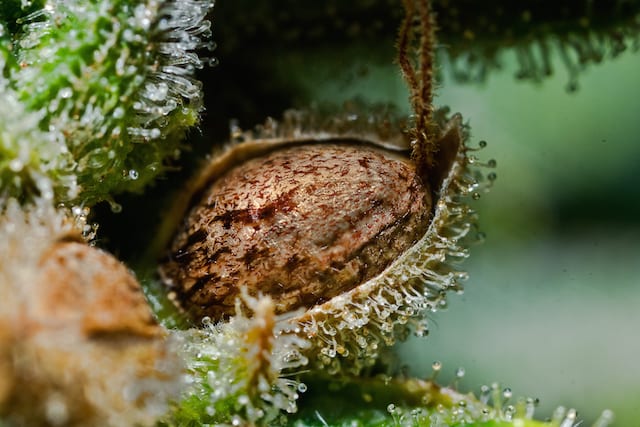
Growing your own cannabis strains can be a way to explore different effects and tailor cannabis products to individual needs. However, it is important to understand the science behind cannabis genetics, the variability of strain properties, and the potential impact of growing conditions on the final product. This guide provides an evidence-based overview of cannabis breeding, focusing on the factors that influence strain characteristics and the considerations for patients and carers.
Key takeaways
- Cannabis strains vary in their genetic makeup, which affects their chemical profile, effects, and appearance.
- Growing conditions such as light, soil, and harvest time can significantly influence the properties of a cannabis plant.
- Breeding cannabis involves understanding the genetic combinations of pure strains (Sativa, Indica, Ruderalis) to create hybrid varieties.
- The effects of cannabis can differ based on the strain, the method of consumption, and the individual’s physiology.
Evidence base
The genetic diversity of cannabis is well-documented, with Sativa, Indica, and Ruderalis being the three primary pure strains. These strains differ in their physical characteristics, chemical composition, and effects. Sativa strains are typically associated with uplifting and energizing effects, while Indica strains are often linked to relaxation and sedation. Ruderalis is known for its autoflowering properties and lower THC content. Hybrid strains combine traits from these pure strains, leading to a wide range of possible effects and chemical profiles.
The chemical composition of cannabis, including cannabinoids like THC and CBD, is influenced by both genetics and environmental factors. Research indicates that growing conditions such as light exposure, temperature, and soil composition can alter the levels of these compounds. For example, higher light exposure may increase THC production, while certain soil nutrients can affect the overall potency of the plant. These variations mean that even plants from the same genetic lineage can produce different results depending on how they are cultivated.
The effects of cannabis are not solely determined by the strain but also by the method of consumption. Smoking, vaping, edibles, and topical applications can lead to different onset times, durations, and intensities of effects. This variability is important for patients and carers to consider when selecting or breeding cannabis strains for specific therapeutic purposes. The interaction between the individual’s physiology and the cannabis product further complicates the prediction of effects, highlighting the need for personalized approaches.
What patients should know
Cannabis strains are not standardized, and their effects can vary widely. This means that two plants from the same genetic lineage may produce different results depending on how they are grown and consumed. Patients should be aware that the potency and effects of a strain can be influenced by factors such as the time of harvest, the method of cultivation, and the method of use. It is important to consider these variables when selecting or breeding cannabis strains for therapeutic use.
When comparing different cannabis products, patients should look for information on the strain type, the method of cultivation, and the method of consumption. However, strain labels may not always provide detailed information about the chemical composition or effects of the product. This lack of standardization can make it difficult for patients to predict how a particular product will affect them. It is advisable to start with small quantities and monitor the effects closely, especially when trying new strains or methods of use.
Patients and carers should also be aware that the effects of cannabis can vary significantly between individuals. Factors such as age, weight, metabolism, and previous cannabis use can all influence how a person responds to a particular strain. This means that what works for one person may not work for another. It is important to keep a record of how different products and methods of use affect the individual, which can help in making more informed decisions about cannabis use.
When to speak to a clinician
Patients should consider speaking to a clinician if they are experiencing unexpected or severe side effects from cannabis use, or if they are unsure about the appropriate strain or method of use for their condition. It is also advisable to consult a clinician if the effects of a particular strain are not consistent or if there are concerns about the safety or efficacy of the product. Clinicians can provide guidance on the potential benefits and risks of different cannabis products and help patients make informed decisions.
Red flags that may indicate the need for a clinician’s input include persistent or worsening symptoms, difficulty managing side effects, or concerns about the legality or safety of cannabis use. Patients should also seek professional advice if they are considering breeding their own cannabis strains, as this involves a range of scientific and legal considerations. A clinician can help assess the risks and benefits of such an approach and provide support in making decisions that align with the patient’s health goals.
Questions to ask a clinician
- What are the potential benefits and risks of using the specific cannabis strain I am considering?
- How can I determine the appropriate method of use for my condition?
- Are there any interactions between cannabis and other medications I am taking?
Source trail
- [Source 1] How To Breed Your Own Cannabis Strains Successfully (how-to-breed-your-own-cannabis-strains)
- [Source 2] Cannabis Strain Genetics (10buds.com)
- [Source 3] What is THC (Livescience.com)