Patient guide
How New Strains of Cannabis are Created
The creation of new cannabis strains is a complex process driven by both natural variation and human intervention. Understanding how these strains are developed can help patients and carers make more informed decisions...
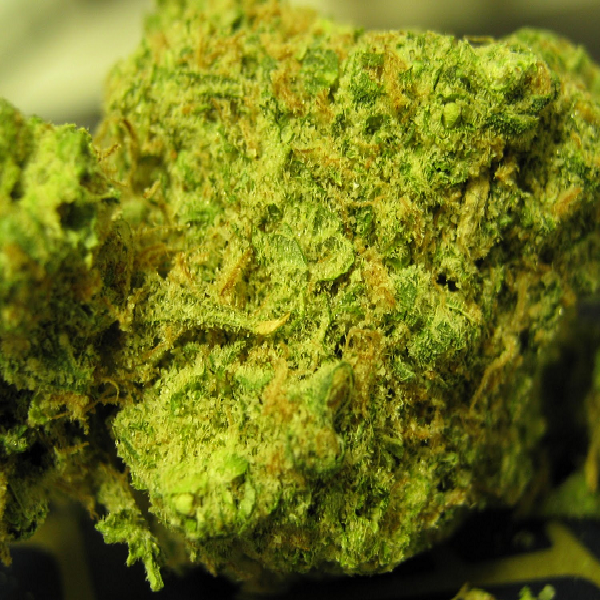
The creation of new cannabis strains is a complex process driven by both natural variation and human intervention. Understanding how these strains are developed can help patients and carers make more informed decisions about the products they use. This guide provides an overview of the methods used to create new strains, the characteristics of different cannabis species, and the implications for potency and effects. It also highlights what patients should consider when selecting cannabis products and when to seek professional advice.
Key takeaways
- New cannabis strains are developed through selective breeding, crossbreeding, or genetic modification to achieve specific characteristics such as potency, aroma, and effects.
- Cannabis strains are broadly classified into three species: Cannabis sativa, Cannabis indica, and Cannabis ruderalis, each with distinct physical and chemical profiles.
- The potency and effects of a cannabis product are largely determined by the levels of cannabinoids such as THC and CBD present in the plant.
- Strain labels and product descriptions may not always accurately reflect the actual cannabinoid content or effects, so patients should be cautious and seek additional information.
Evidence base
The development of new cannabis strains is primarily based on selective breeding techniques, which involve cross-pollinating plants to produce offspring with desired traits. This process can result in purebred strains, which are the result of inbreeding within a single lineage, or hybrid strains, which are created by crossing different parent plants. Hybrid strains often combine the characteristics of both parent species, offering a range of effects and physical properties.
Cannabis sativa plants are typically tall and have a higher THC content compared to CBD, which is associated with more energizing and stimulating effects. In contrast, Cannabis indica plants are shorter and bushier, with a higher CBD content, leading to more relaxing and sedating effects. Cannabis ruderalis, the third species, is shorter and produces flowers regardless of light exposure. It has a lower THC content but a higher CBD-to-THC ratio, making it useful for certain medical applications, such as treating insomnia.
The potency and effects of a cannabis product are largely influenced by the levels of cannabinoids present. THC is primarily responsible for the psychoactive effects, while CBD is associated with therapeutic properties. However, the exact effects of a strain can vary depending on the individual's physiology, the method of consumption, and the presence of other compounds such as terpenes. It is important to note that the evidence on the effects of specific strains is often limited, and more research is needed to fully understand the variability in outcomes.
What patients should know
When selecting a cannabis product, patients should be aware that the strain information provided may not always be reliable. Strain labels and product descriptions are often based on the characteristics of the plant rather than the actual cannabinoid content. This means that the effects experienced by one person may differ from another, even when using the same product.
Patients should also consider the method of consumption, as this can significantly affect how the cannabinoids are absorbed and the resulting effects. For example, smoking or vaping may lead to a quicker onset of effects compared to oral consumption. Additionally, the presence of other compounds such as terpenes can influence the overall experience, but these are often not well-documented in product descriptions.
It is also important for patients to be aware of the legal and regulatory landscape surrounding cannabis products. In the UK, the sale and use of cannabis products are subject to strict regulations, and the availability of certain strains may be limited. Patients should ensure that they are using products that are legally available and sourced from reputable suppliers.
When to speak to a clinician
Patients should consult a clinician if they are experiencing adverse effects from a cannabis product, such as anxiety, paranoia, or sleep disturbances. It is also advisable to seek professional advice if the effects of a product are not consistent with expectations or if there are concerns about the safety or legality of the product.
Red flags that may indicate the need for a clinician's input include:
- Unusual or severe side effects
- Changes in mood or behaviour
- Difficulty in managing symptoms despite regular use
- Concerns about the legality or source of the product
Questions to ask a clinician
- What are the potential effects of this strain, and how might they vary between individuals?
- How can I ensure that the product I am using is safe and legally available?
- Are there any alternative products or methods of consumption that might be more suitable for my needs?
Image gallery
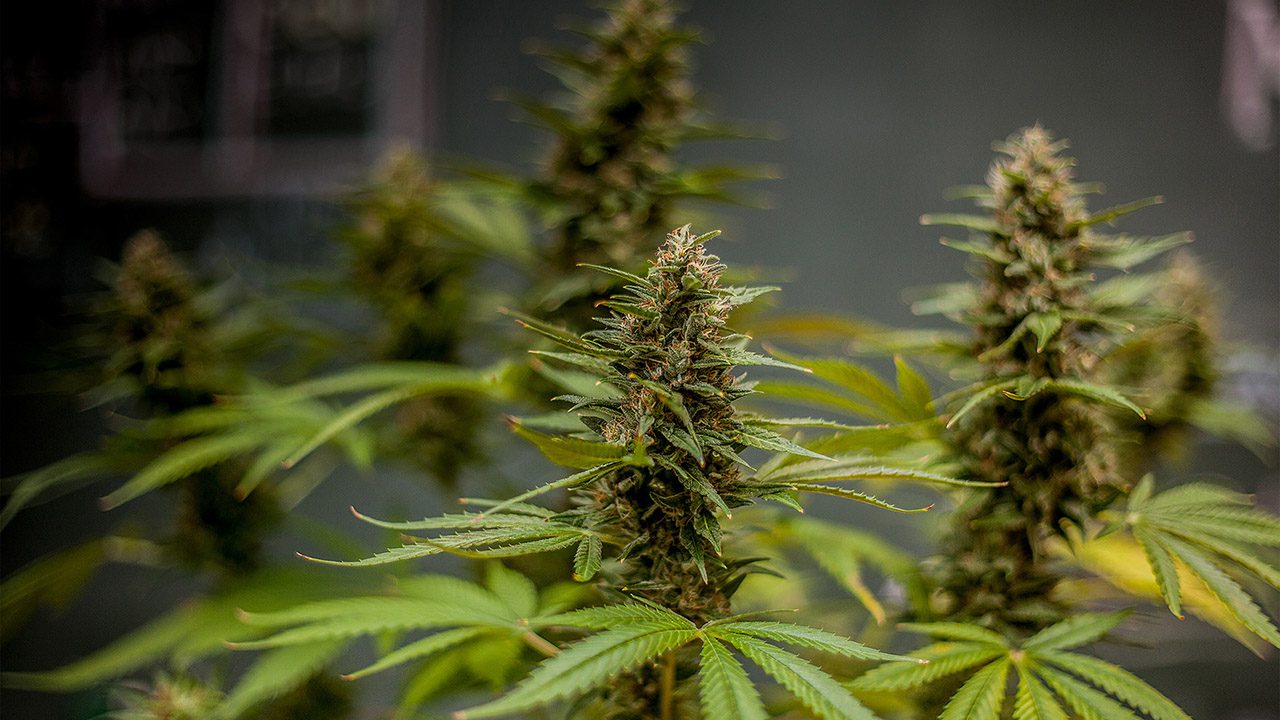
Archive images connected to How New Strains of Cannabis are Created. These images are included for identification and context, not as medical evidence.

Source trail
- [Source 1]: How New Strains of Cannabis are Created (strains-cannabis-created)
- Official UK guidance on cannabis use and regulation
- Current evidence on strain labels, potency, and route of use