Patient guide
Headband Cannabis Strain Review
The Headband cannabis strain, a cross between OG Kush and Sour Diesel, is often marketed as a hybrid with indica-dominant effects. While it is popular among cannabis users for its appearance and reported effects, the...
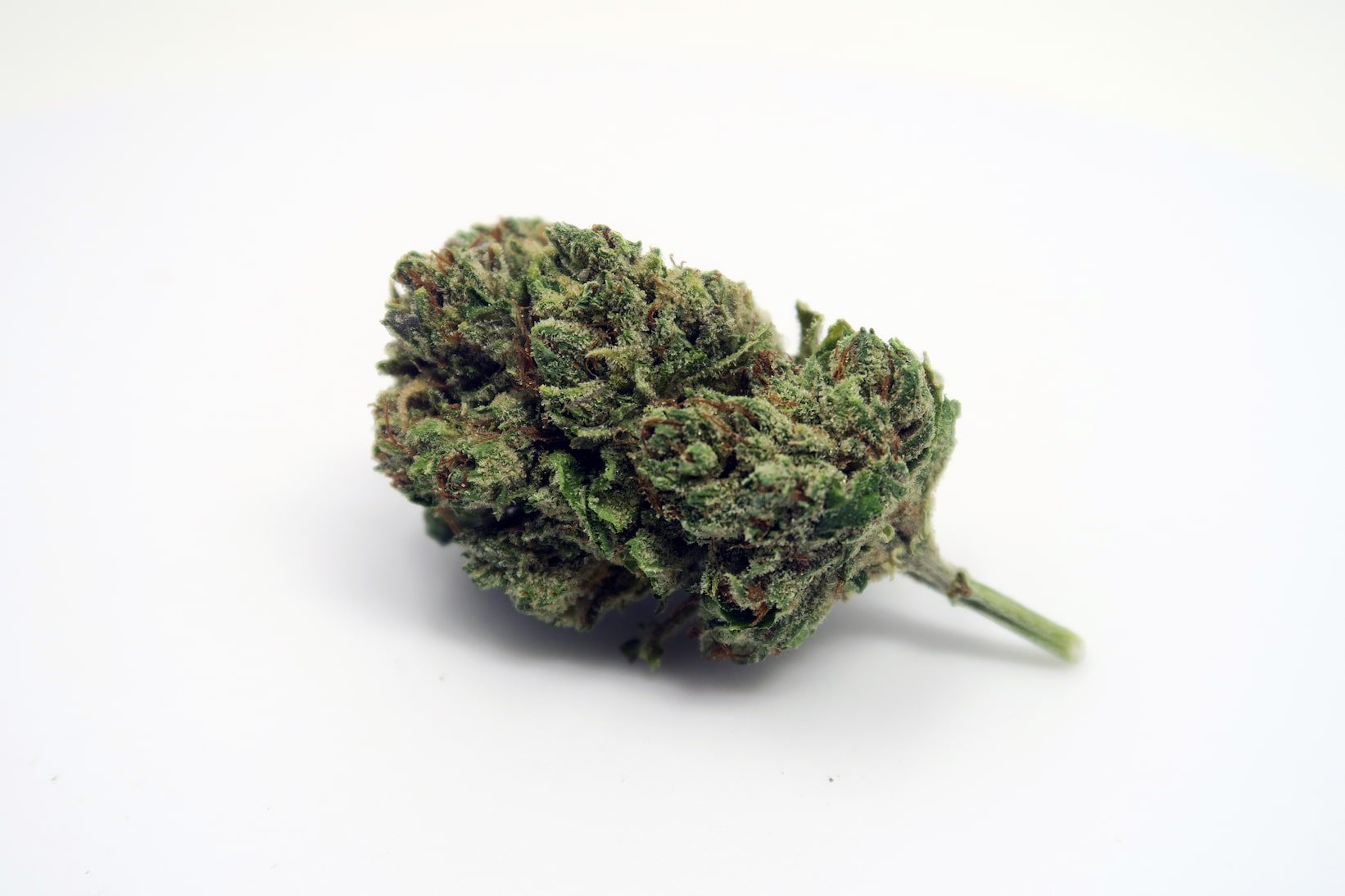
The Headband cannabis strain, a cross between OG Kush and Sour Diesel, is often marketed as a hybrid with indica-dominant effects. While it is popular among cannabis users for its appearance and reported effects, the strain's characteristics—such as taste, smell, and potency—can vary significantly depending on cultivation, processing, and product formulation. This review provides an evidence-based overview of the Headband strain, focusing on its potential benefits, limitations, and considerations for patients and carers seeking to understand its role in managing health conditions.
Key takeaways
- The Headband strain is a hybrid with indica-dominant effects, often described as relaxing and uplifting.
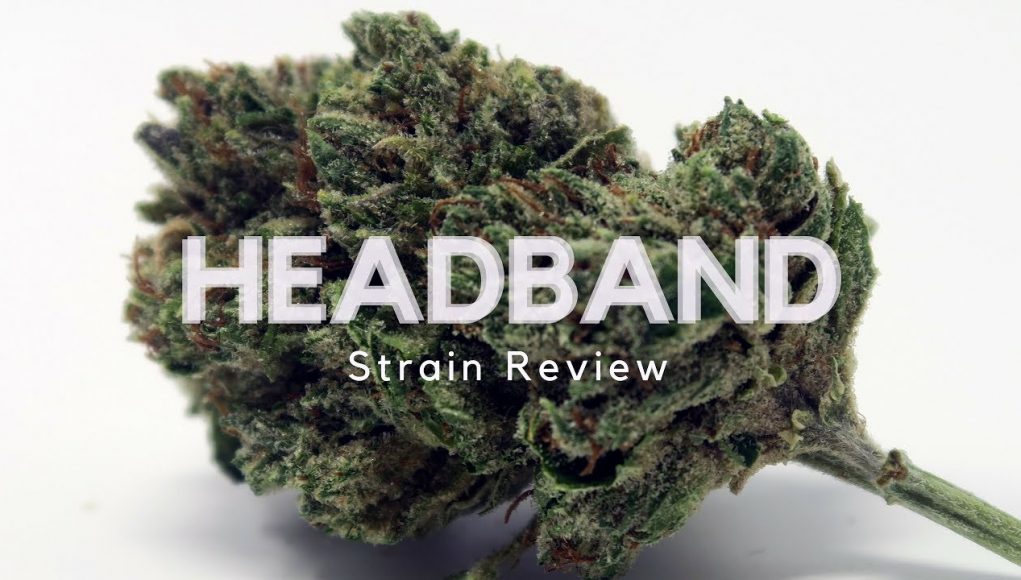
- Its appearance is frequently praised, with a dense, crystalline structure, but its aroma and taste are reported as underwhelming or inconsistent.
- The effects of Headband can vary between individuals and may include relaxation, happiness, and mild euphoria, though these are not consistently documented in clinical studies.
- Due to limited scientific evidence, the strain's efficacy for specific medical conditions remains uncertain, and its use should be discussed with a healthcare professional.
Evidence base
The Headband strain is primarily discussed in user reviews and anecdotal reports rather than in peer-reviewed clinical studies. These accounts suggest that the strain may provide mild relaxation and mood elevation, which could be beneficial for conditions such as anxiety or insomnia. However, these effects are not universally experienced and may depend on factors such as dosage, method of consumption, and individual physiology.
There is no robust evidence to support the use of Headband for specific medical conditions, and its potency, aroma, and taste are reported to vary widely between batches. This variability makes it difficult to predict its effects or compare it to other cannabis strains in a clinical setting. Additionally, the lack of standardised labelling and potency information means that users may not be able to accurately assess the strain's strength or composition.
While some users report that Headband can cause a sensation of tightness around the head, this is not consistently observed and may be a subjective experience. The strain is often described as having a mild to moderate potency, but this is not supported by objective data. As a result, the therapeutic potential of Headband remains speculative and should not be relied upon for medical treatment without professional guidance.
What patients should know
The Headband strain is often marketed as a recreational or medicinal cannabis product, but its use should be approached with caution. Patients considering this strain should be aware that its effects can vary significantly between individuals and batches. While some users report relaxation and mood improvement, these effects are not guaranteed and may not be suitable for everyone.
It is important to note that the strain's potency, aroma, and taste are not consistently documented in scientific literature. This means that patients may not be able to predict how the strain will affect them based on product labels or user reviews. Additionally, the lack of standardised testing and labelling makes it difficult to assess the strain's safety or consistency.
Patients should also be aware that cannabis use can have side effects, including dry mouth, red eyes, and impaired coordination. In some cases, it may interact with other medications or exacerbate existing health conditions. Therefore, it is essential to consult with a healthcare professional before using Headband or any other cannabis product, especially if you have a medical condition or are taking other medications.
- The effects of Headband can vary between individuals and batches.
- There is limited scientific evidence to support its use for specific medical conditions.
- The strain's potency, aroma, and taste are not consistently documented.
- Cannabis use can have side effects and may interact with other medications.
When to speak to a clinician
Patients should consult a healthcare professional before using Headband or any cannabis product, particularly if they have a pre-existing medical condition, are taking other medications, or are concerned about the strain's effects. A clinician can help assess whether cannabis use is appropriate and discuss potential risks and benefits.
If a patient experiences adverse effects such as dizziness, anxiety, or changes in mood after using Headband, they should seek medical advice immediately. Additionally, if the strain's effects are inconsistent or do not meet the patient's needs, a clinician can help explore alternative options.
Red flags that warrant a discussion with a clinician include:
- Experiencing side effects such as dry mouth, red eyes, or impaired coordination.
- Noticing changes in mood, appetite, or sleep patterns.
- Having concerns about the strain's potency or consistency.
- Using cannabis for a medical condition without clear evidence of its effectiveness.
Questions to ask a clinician
- What are the potential benefits and risks of using Headband for my specific condition?
- How might Headband interact with other medications I am currently taking?
- Are there alternative cannabis strains or products that may be more suitable for my needs?
Image gallery
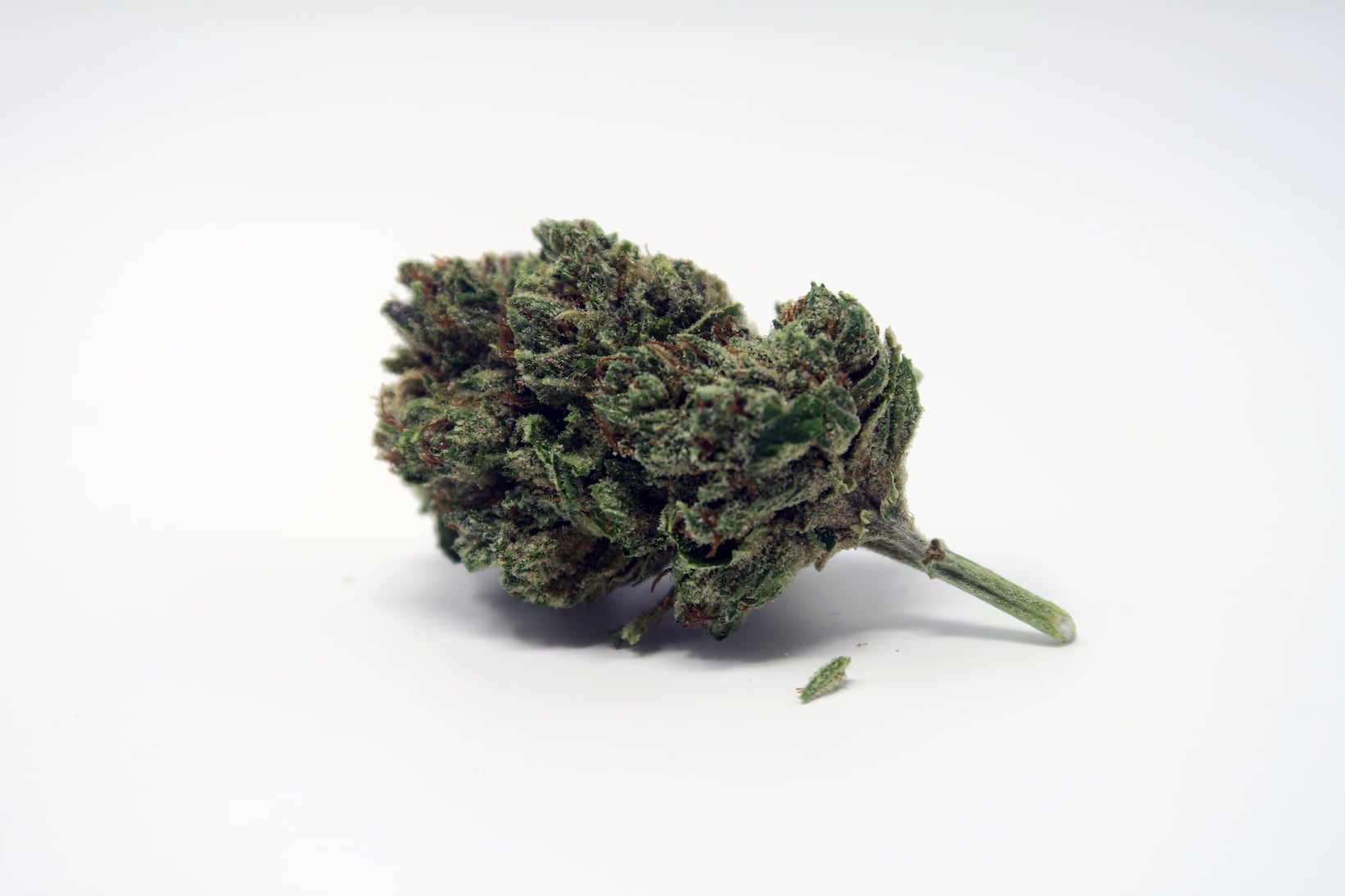
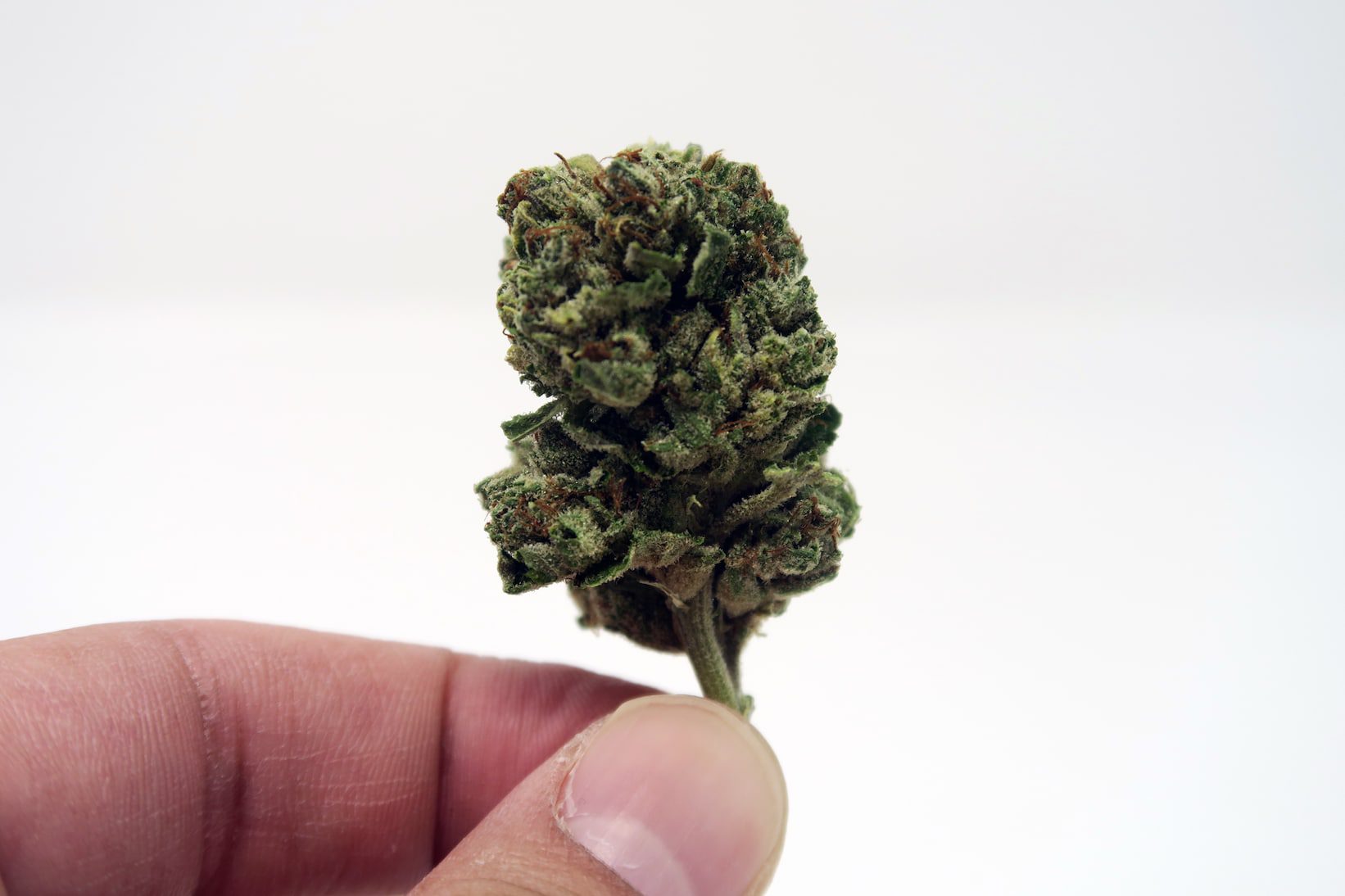
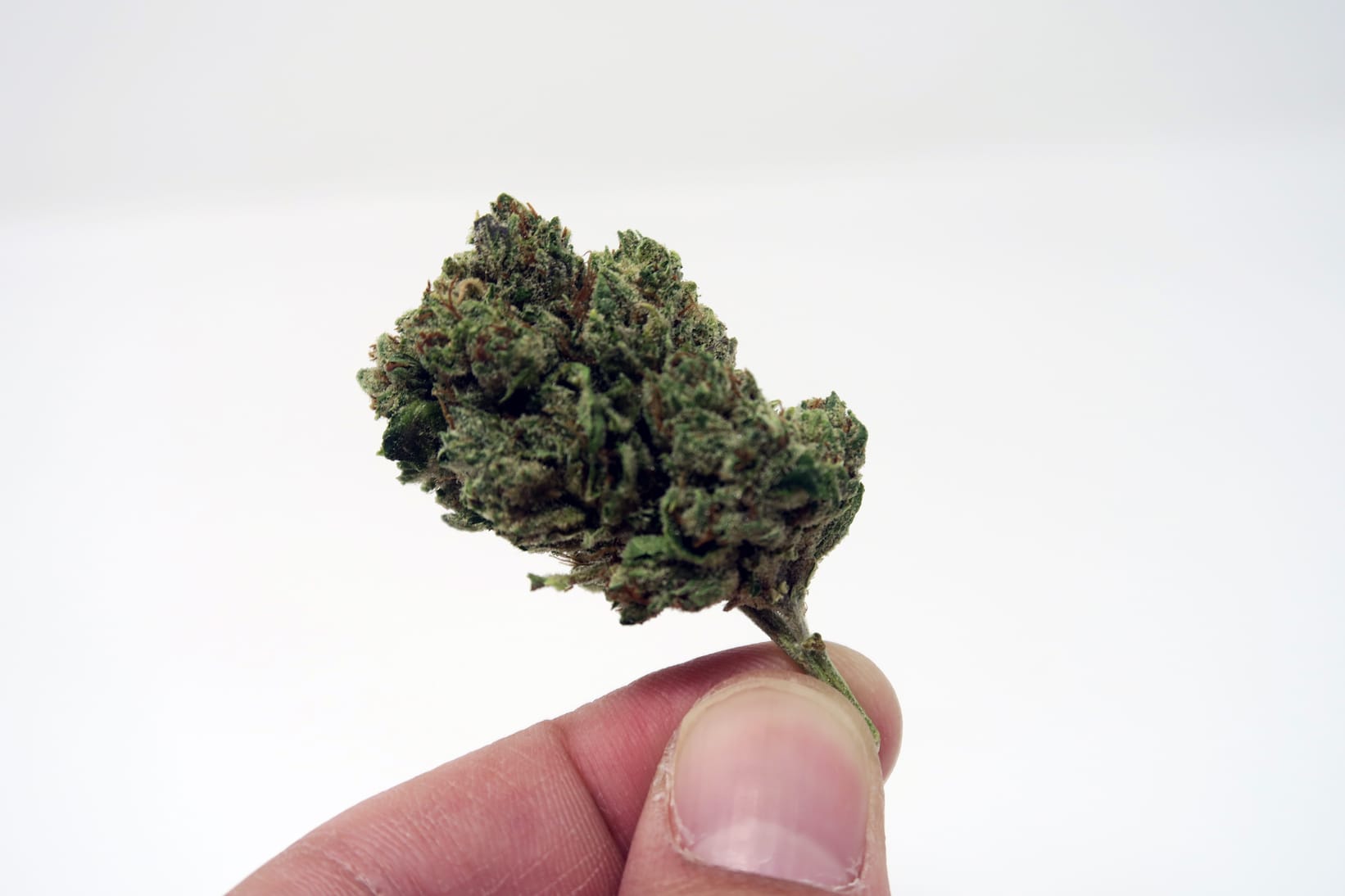
Archive images connected to Headband Cannabis Strain Review. These images are included for identification and context, not as medical evidence.
Source trail
- The Headband strain review is based on user reports and anecdotal experiences, which are not peer-reviewed.
- Official guidance on cannabis use and medical conditions is available from the NHS and NICE.
- Information on cannabis potency, labelling, and safety is provided by the MHRA and GOV.UK.