Patient guide
Green Crack and Cannabis Strain Names
The naming of cannabis strains can significantly influence consumer perception and choice. While some names reflect the plant's characteristics, others may carry unintended connotations. Understanding the naming...
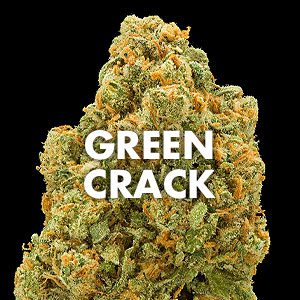
The naming of cannabis strains can significantly influence consumer perception and choice. While some names reflect the plant's characteristics, others may carry unintended connotations. Understanding the naming conventions and the evidence behind strain labels is essential for patients and carers seeking to make informed decisions about cannabis products. This guide explores the naming of cannabis strains, the evidence supporting strain claims, and what patients should consider when selecting products.
Key takeaways
- Cannabis strain names can vary widely and may not always reflect the plant's actual effects or characteristics.
- The naming of strains often draws from cultural, historical, or sensory references, but can sometimes be misleading or controversial.
- Patients should be cautious of strain names that may imply potency, effects, or legality, as these are not always accurate or regulated.
- The evidence base for strain-specific effects is limited, and individual responses to cannabis can vary significantly.
Evidence base
The naming of cannabis strains is largely a marketing and cultural practice rather than a scientifically validated classification. Strain names often originate from the plant's appearance, aroma, effects, or historical significance. For example, "Green Crack" may refer to the plant's vibrant green color and its purported energizing effects, though the name itself is controversial due to its association with illicit drugs. Similarly, names like "Lemon" or "Strawberry" reflect the plant's scent, while "Northern Lights" evokes imagery of the night sky. However, these names do not necessarily indicate the strain's potency, therapeutic potential, or safety profile.
Scientific research on cannabis strains is limited, as most studies focus on the broader effects of cannabinoids rather than specific strains. While some studies suggest that certain strains may be associated with particular effects, such as relaxation or alertness, these findings are often based on small sample sizes or anecdotal reports. The variability in cannabis products, including differences in cannabinoid and terpene profiles, further complicates the interpretation of strain-specific effects. As a result, the evidence supporting the efficacy or safety of specific strains is not robust.
In the UK, the regulation of cannabis products is primarily focused on ensuring safety and preventing misuse. The Medicines and Healthcare products Regulatory Agency (MHRA) oversees the licensing of cannabis-based medicinal products, but recreational cannabis remains illegal. This means that the evidence base for recreational cannabis strains is not as comprehensive as for medicinal products. Patients should be aware that the information available on strain names and effects is often based on consumer reports rather than clinical trials.
What patients should know
When considering cannabis products, patients should be aware that strain names are not always reliable indicators of the product's effects or safety. The name "Green Crack" may suggest a high-energy or stimulating effect, but this is not guaranteed. Individual responses to cannabis can vary widely, and factors such as dosage, method of consumption, and the presence of other compounds (like terpenes) can influence the experience. It is important to approach strain names with a critical mindset and not assume that a name directly correlates with the product's effects.
Patients should also be cautious about the marketing language used to describe strains. Terms like "high potency" or "medicinal" can be subjective and may not be supported by scientific evidence. It is advisable to look for products that provide detailed information about their cannabinoid and terpene profiles, as well as any clinical or research backing for their use. Additionally, patients should be aware that the legal status of cannabis products can vary, and recreational use remains illegal in the UK, with limited access to medicinal products.
For patients using cannabis for therapeutic purposes, it is important to understand that the evidence for specific strains is limited. While some strains may be associated with certain effects, such as pain relief or relaxation, these associations are not universally applicable. Patients should consult with a healthcare professional to determine the most appropriate product for their needs, taking into account their medical history, current medications, and any potential interactions.
When to speak to a clinician
Patients should consult a clinician if they are considering using cannabis for medical purposes or if they are concerned about the effects of a particular strain. A healthcare professional can provide guidance on the appropriate use of cannabis, including dosage, method of consumption, and potential interactions with other medications. It is also important to discuss any concerns about the safety or legality of the product, especially if the patient is using it recreationally.
Red flags that may indicate the need for a clinician's advice include experiencing adverse effects such as anxiety, paranoia, or sleep disturbances, as well as any changes in mood or behavior. Patients should also seek medical advice if they are unsure about the product's source, potency, or safety. Additionally, if a patient is using cannabis for a medical condition, they should be monitored for any changes in symptoms or effectiveness over time.
Questions to ask a clinician
- What are the potential benefits and risks of using this cannabis product for my condition?
- How can I determine the appropriate dosage and method of consumption?
- Are there any interactions between this product and my current medications?
Image gallery
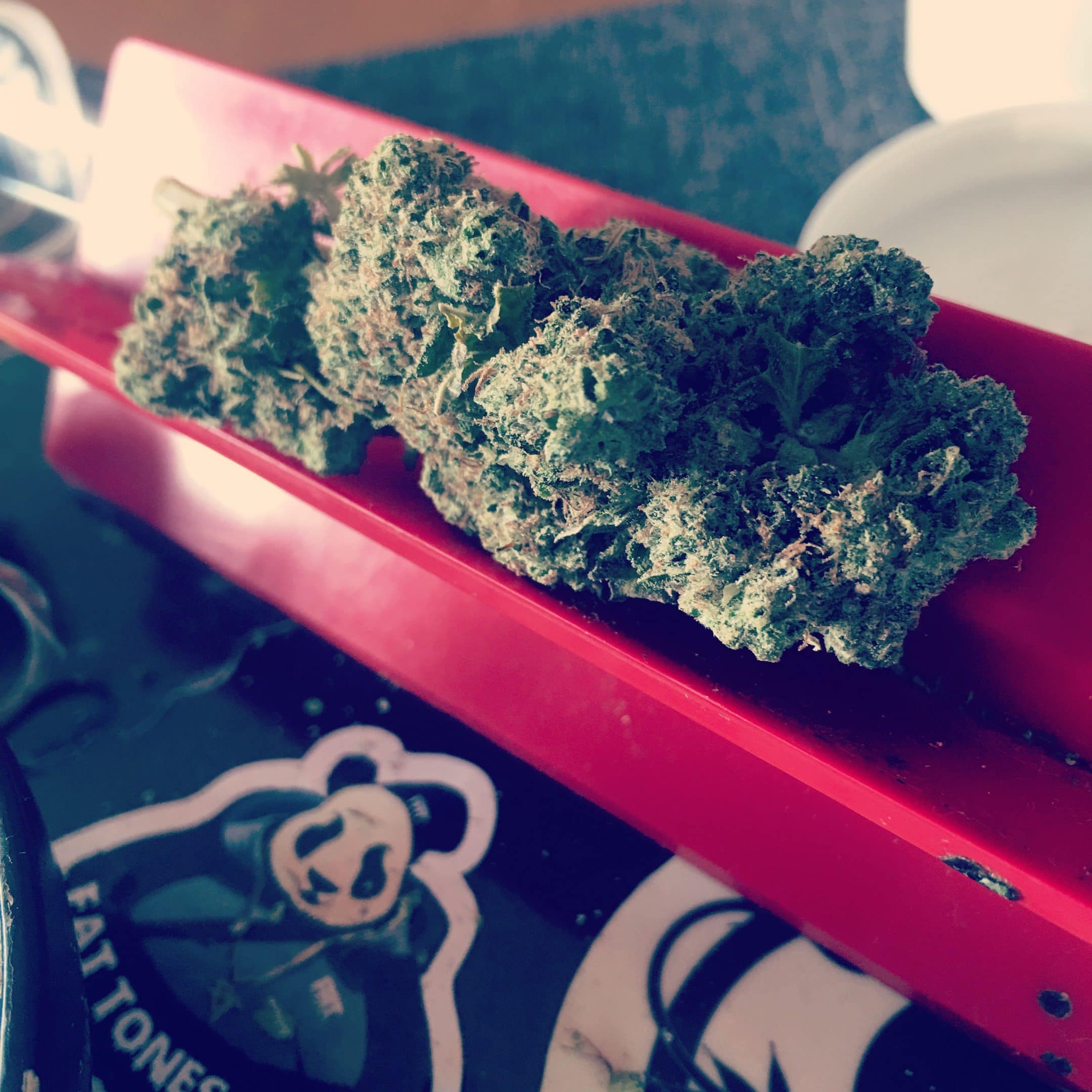
Archive images connected to Green Crack and Cannabis Strain Names. These images are included for identification and context, not as medical evidence.
Source trail
- Original source material on cannabis strain naming and marketing
- Official guidance from the Medicines and Healthcare products Regulatory Agency (MHRA) on cannabis-based medicinal products
- Public information on cannabis regulation and legal status in the UK