Patient guide
Fruit Bowl by Karma Genetics - Cannabis Strain Review & Information
The Fruit Bowl cannabis strain, developed by Karma Genetics, is a hybrid with a distinct fruity aroma and a balanced effect profile. While it is marketed as a strain with specific genetic lineage and sensory...
The Fruit Bowl cannabis strain, developed by Karma Genetics, is a hybrid with a distinct fruity aroma and a balanced effect profile. While it is marketed as a strain with specific genetic lineage and sensory characteristics, it is important to understand the limitations of strain claims and the variability in product potency and quality. This guide provides an evidence-based overview of the Fruit Bowl strain, focusing on its genetic background, sensory profile, and potential effects, while also addressing considerations for patients and carers.
Key takeaways
- The Fruit Bowl strain is a hybrid of Fruity Pebbles OG, Udub, and Mandarina, bred by Karma Genetics.
- It is described as having a fruity and earthy aroma with notes of blueberry, watermelon, citrus, and grape.
- The strain is reported to produce a balanced high with both mental uplift and a mild body effect.
- The potency of the strain is estimated to be less than 20% THC, though this is not confirmed by official testing.
Evidence base
The Fruit Bowl strain is primarily described through anecdotal and user-generated reviews, which highlight its sensory and effects profile. These accounts suggest a strain with a complex and appealing aroma, combining fruity and earthy notes. The genetic lineage includes Fruity Pebbles OG, Udub, and Mandarina, which are known for their aromatic and psychoactive properties. However, the specific effects and potency of the strain can vary depending on cultivation practices, harvesting time, and processing methods. While some users report a balanced high, there is limited scientific evidence to confirm these effects or the consistency of the strain's properties. The absence of official testing data means that the reported potency and effects should be treated as general observations rather than definitive claims.
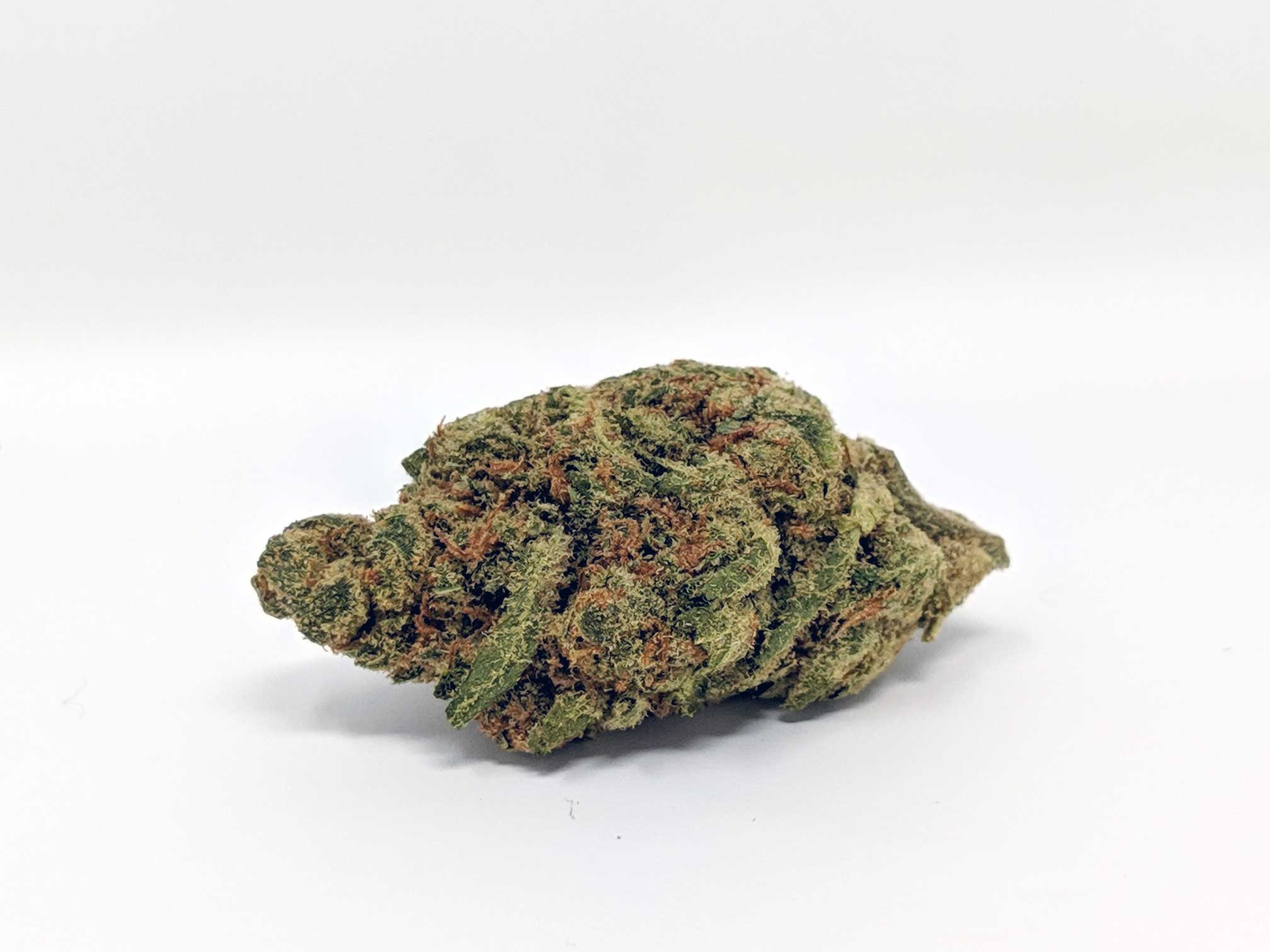
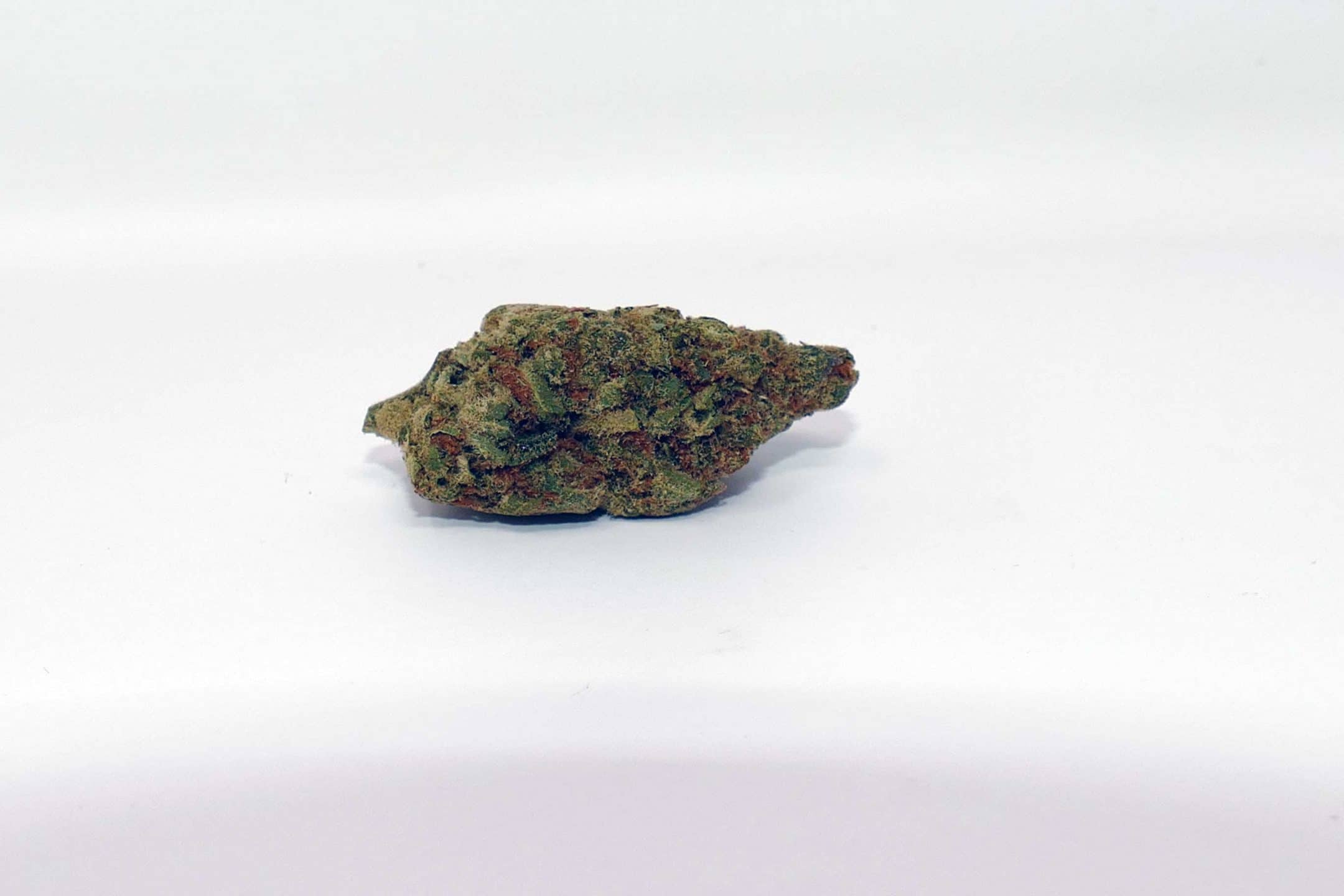
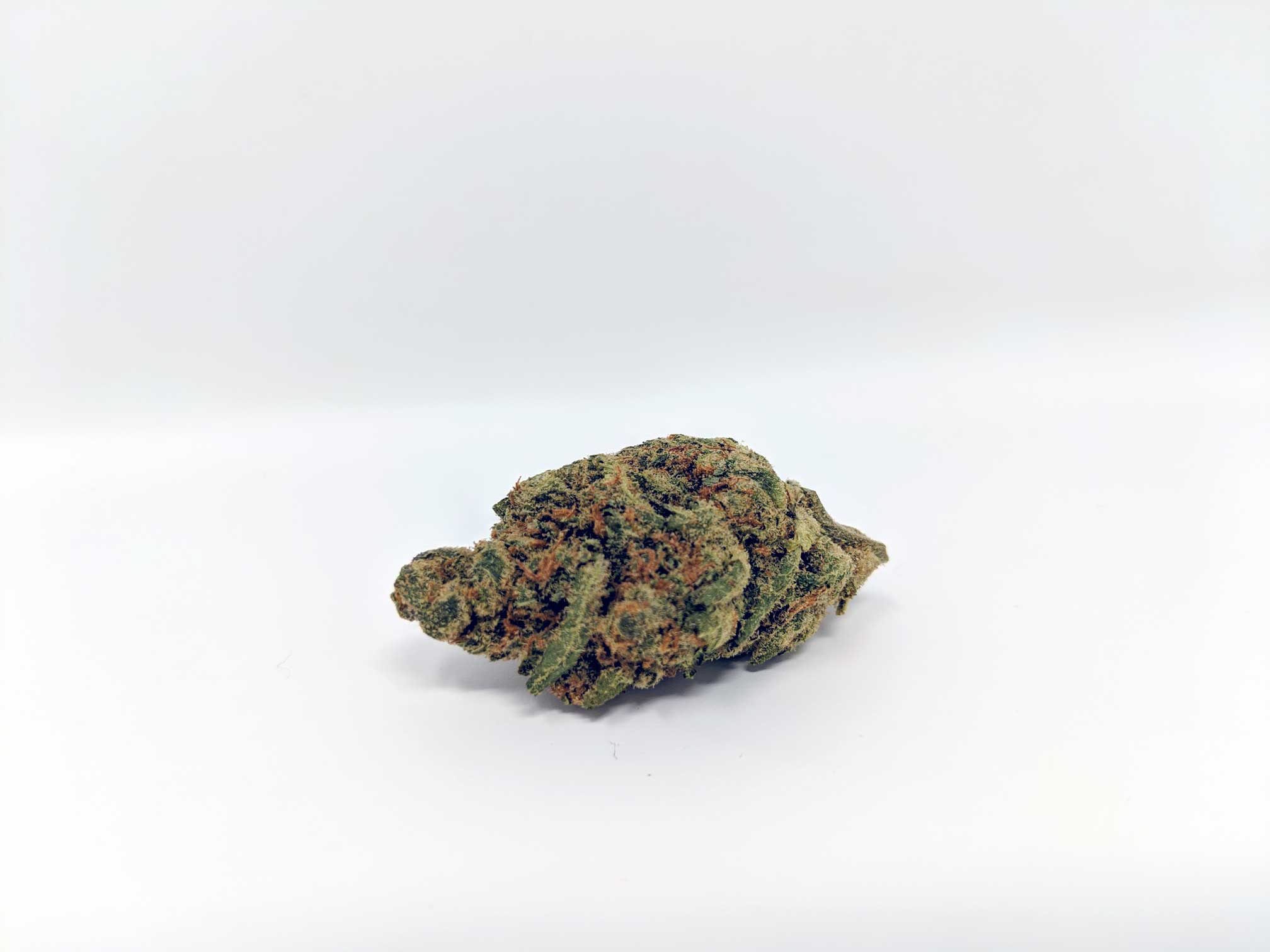
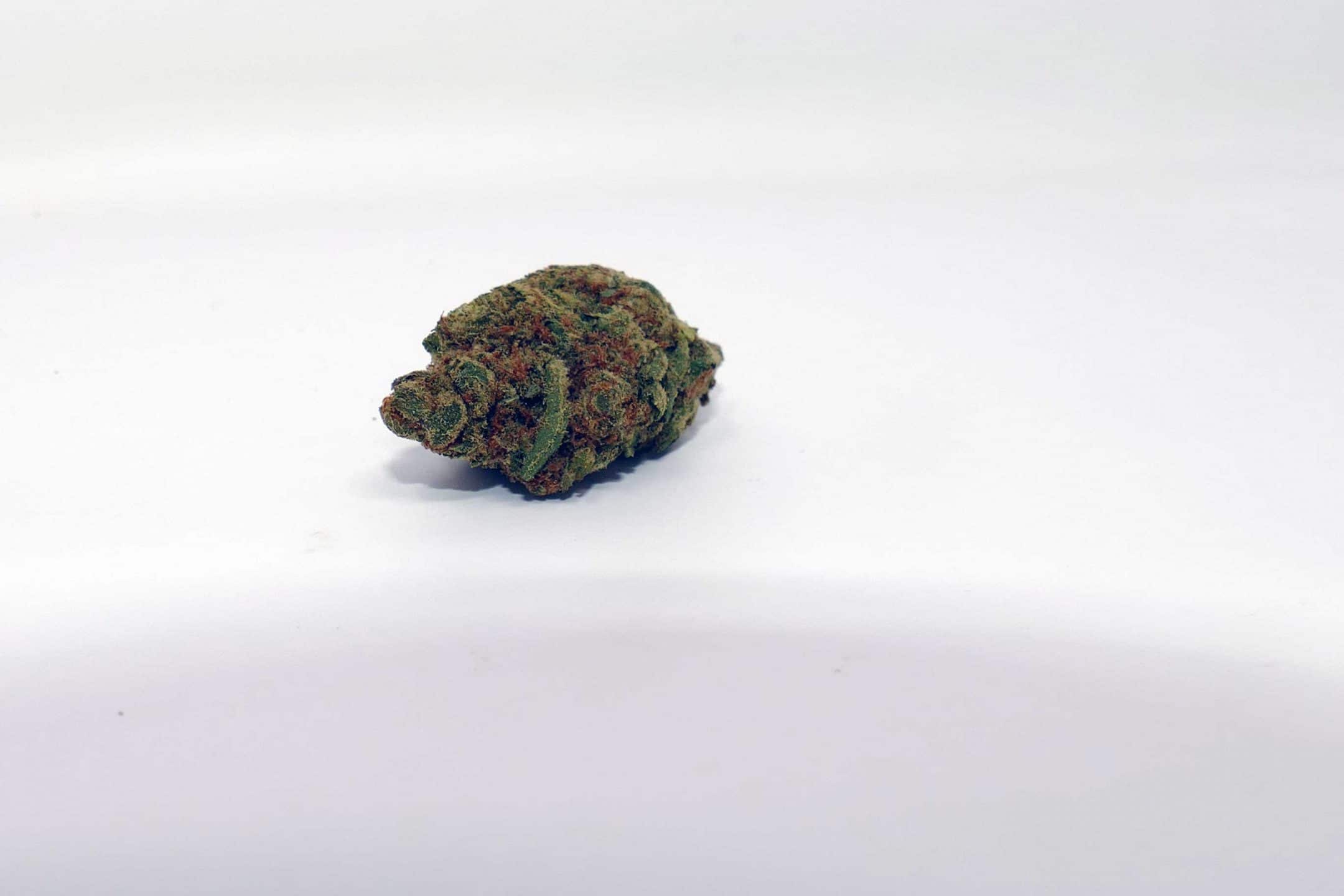
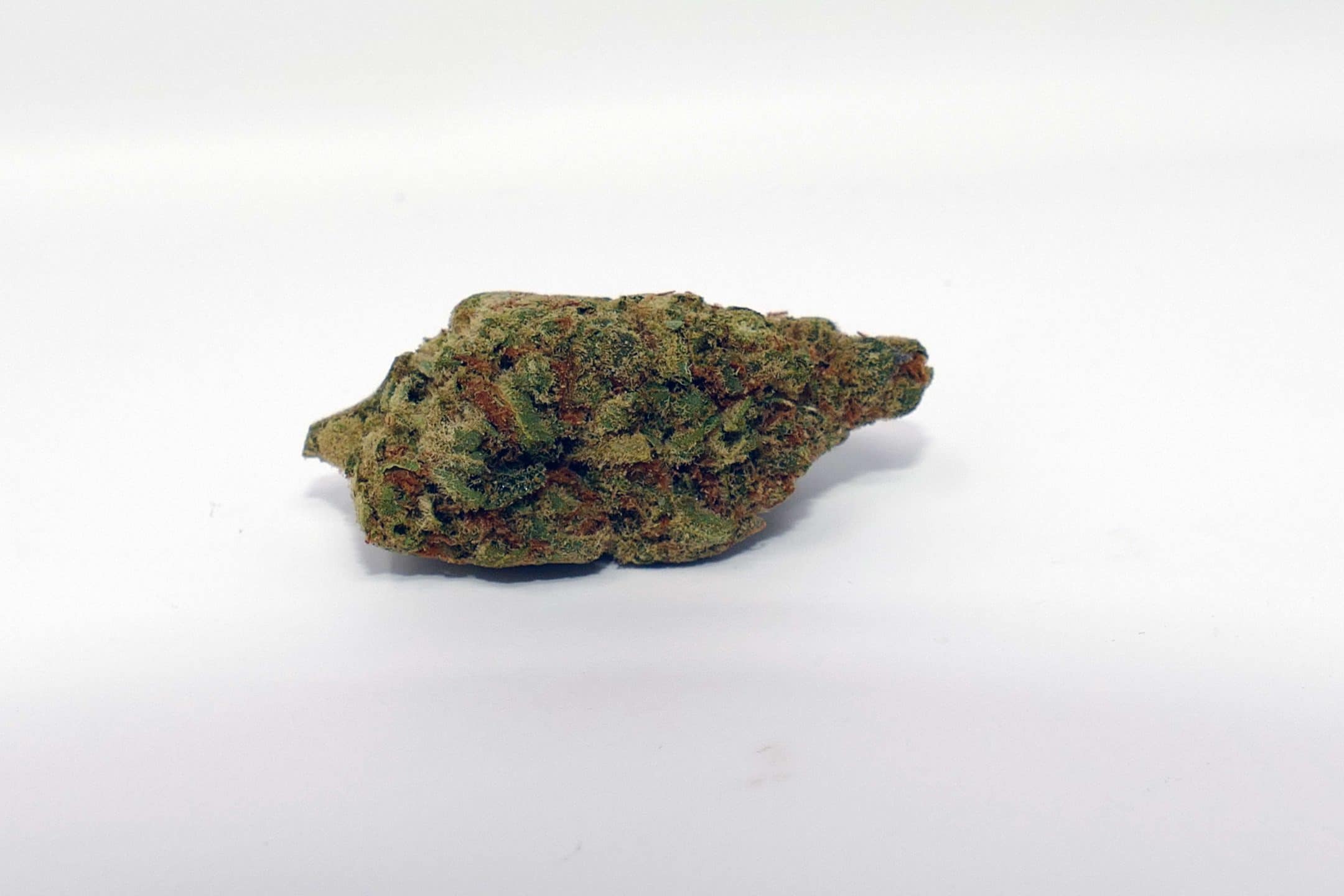
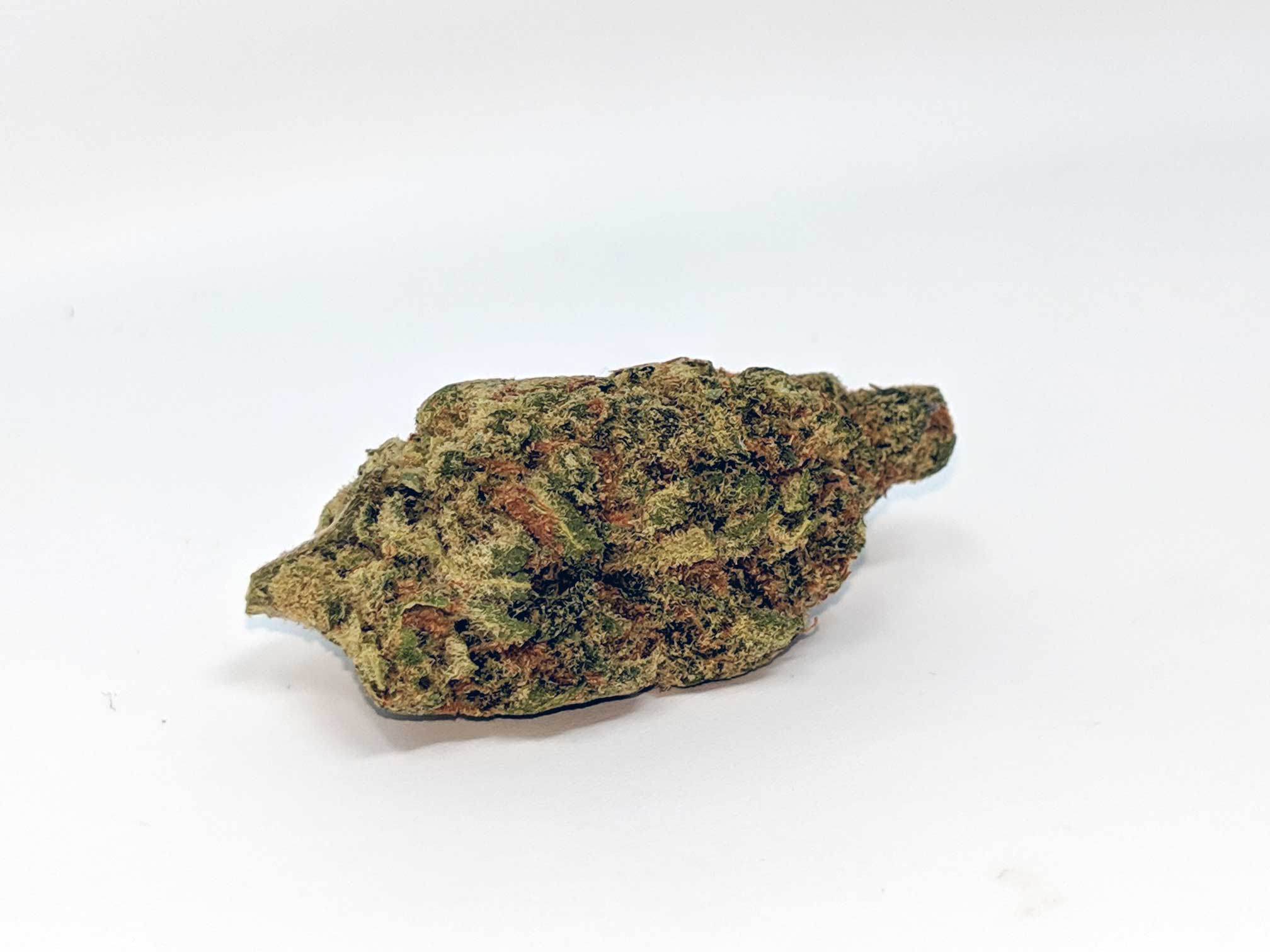
The strain's appearance is described as tight and dense with dusty trichomes, indicating a high concentration of cannabinoids and terpenes. The presence of bright orange pistils suggests a mature harvest, which may influence the strain's potency and flavor. However, the visual characteristics of the buds do not necessarily correlate with the actual potency or effects of the product. The sensory profile, including the fruity and earthy aroma, is largely based on user experience and may not be consistent across different batches or sources. While these descriptions provide a useful reference, they should not be considered as reliable indicators of the strain's therapeutic or recreational potential.
The reported effects of the Fruit Bowl strain, such as a clear-minded high and a mild body effect, are based on personal accounts. These experiences may vary significantly between individuals due to differences in tolerance, metabolism, and the specific product used. There is no clinical evidence to support the use of this strain for specific medical conditions, and its effects are not standardized or regulated. As such, any claims about the therapeutic benefits of the Fruit Bowl strain should be approached with caution and not relied upon as a substitute for professional medical advice.
What patients should know
The Fruit Bowl strain is marketed as a cannabis product with a unique flavor and effect profile, but it is important to recognize the limitations of such claims. The genetic background of the strain is well-documented, but the actual potency and effects can vary depending on the source and preparation. Patients and carers should be aware that the reported effects are based on anecdotal evidence and may not be consistent or reliable. It is also important to note that the strain is not officially tested or regulated, which means that the actual THC and CBD content may differ from what is claimed.
When considering the use of the Fruit Bowl strain, patients should be mindful of the potential variability in potency and effects. The strain is reported to have a THC content of less than 20%, but this is not confirmed by official testing. As a result, the actual psychoactive effects may be lower than expected, and the strain may not be suitable for individuals seeking a stronger high. Patients should also be aware that the strain's effects can be influenced by factors such as dosage, method of consumption, and individual tolerance. It is recommended to start with a low dose and monitor the effects closely.
For patients using cannabis for medical purposes, it is important to understand that the Fruit Bowl strain is not approved for therapeutic use by regulatory bodies such as the MHRA or NICE. While some users may find the strain beneficial for conditions such as anxiety or insomnia, there is no clinical evidence to support these claims. Patients should consult with a healthcare professional to determine the most appropriate treatment options and to discuss the potential risks and benefits of using cannabis products.
When to speak to a clinician
Patients should consider speaking to a clinician if they experience any adverse effects from using the Fruit Bowl strain, such as dizziness, anxiety, or changes in mood. It is also important to consult a healthcare professional if the strain is being used for medical purposes and the effects are not consistent or as expected. Clinicians can provide guidance on the appropriate dosage and method of use, as well as monitor for any potential interactions with other medications.
Red flags that may indicate the need for a clinician's input include persistent or severe side effects, changes in mental health, or difficulty managing the effects of the strain. Patients should also seek medical advice if they are unsure about the potency or safety of the product, or if they are concerned about the long-term effects of cannabis use. It is important to note that the Fruit Bowl strain is not officially tested or regulated, and its use should be approached with caution.
Questions to ask a clinician
- What are the potential risks and benefits of using the Fruit Bowl strain for my specific condition?
- How can I determine the appropriate dosage for the Fruit Bowl strain based on my health and tolerance?
- Are there any interactions between the Fruit Bowl strain and my current medications or treatments?
Image gallery
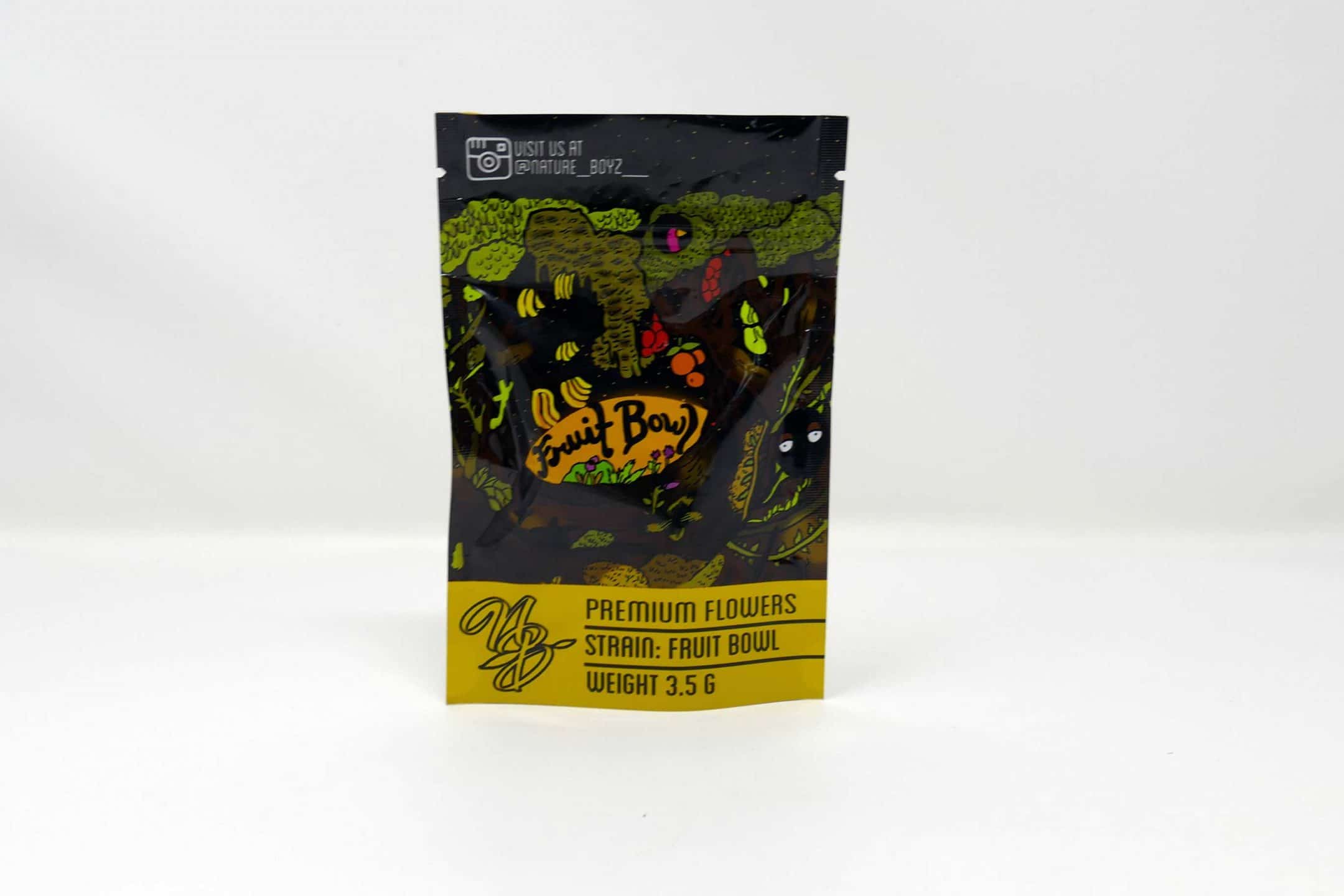
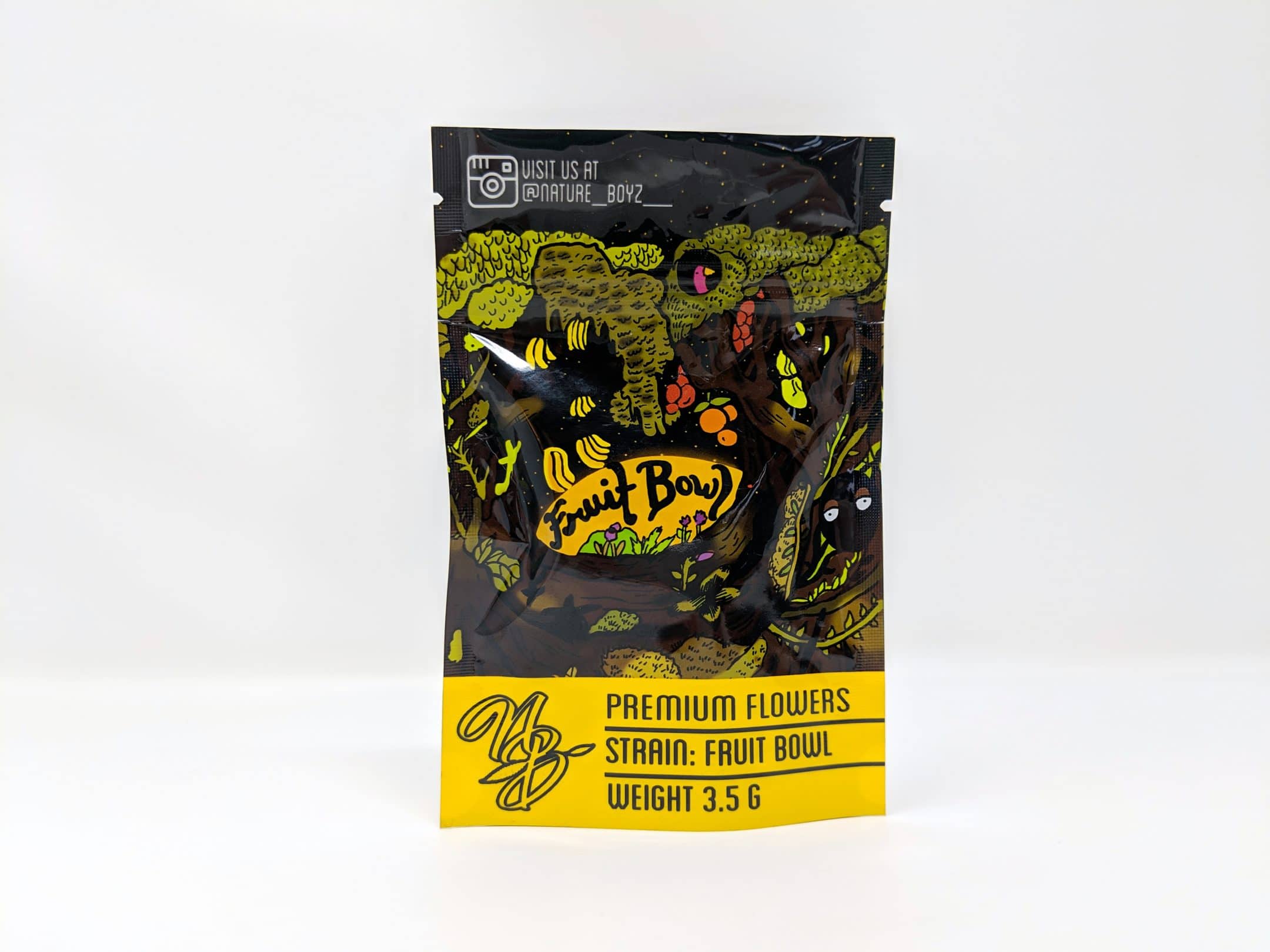
Archive images connected to Fruit Bowl by Karma Genetics - Cannabis Strain Review & Information. These images are included for identification and context, not as medical evidence.