Patient guide
CBD Critical Cure
CBD Critical Cure is a cannabis strain that has gained attention for its high CBD content and potential therapeutic effects. While it is often marketed for its pain-relieving properties, it is important to approach any...
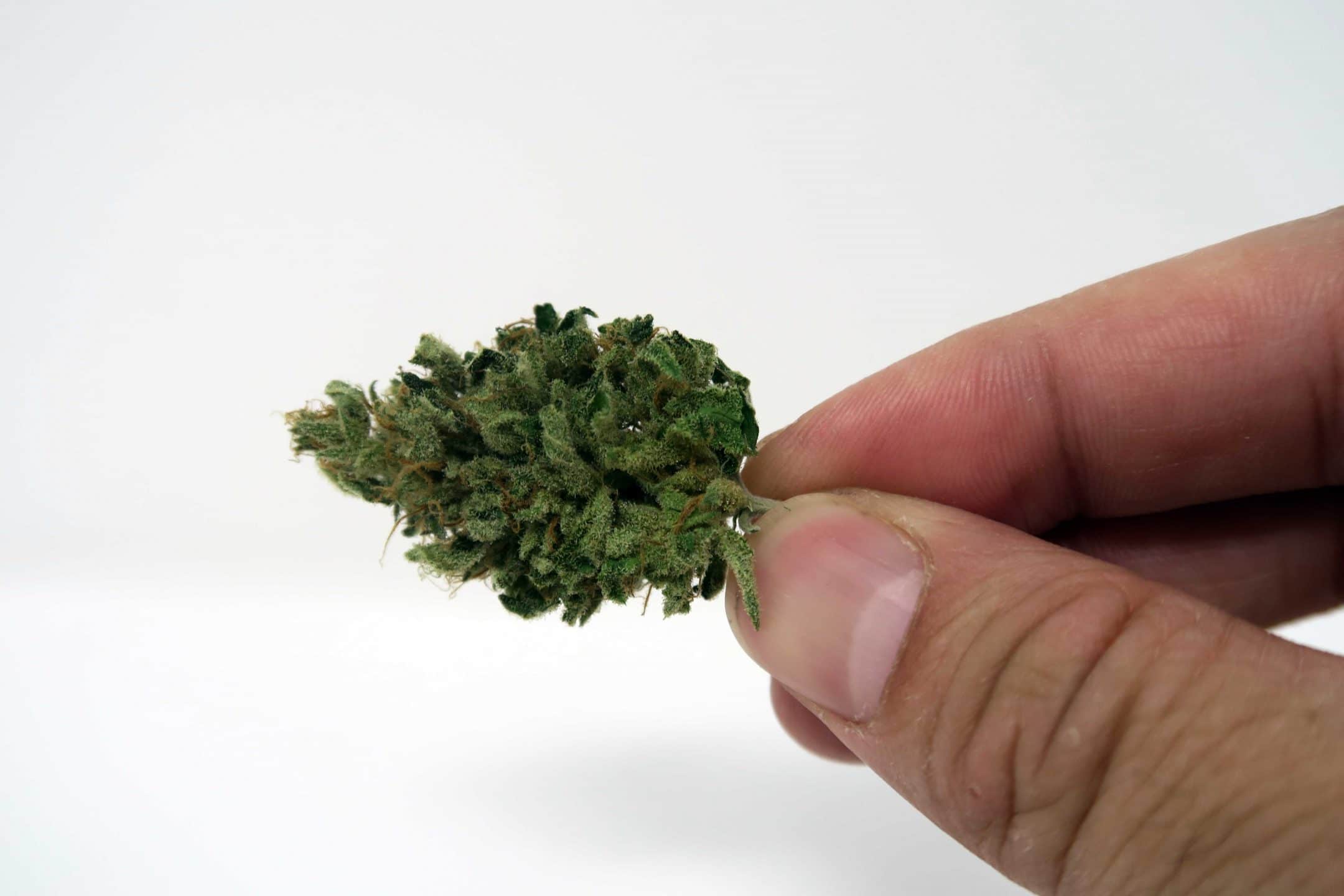
CBD Critical Cure is a cannabis strain that has gained attention for its high CBD content and potential therapeutic effects. While it is often marketed for its pain-relieving properties, it is important to approach any discussion about its use with a clear understanding of the current evidence and the legal and medical considerations involved. This guide provides a factual overview of CBD Critical Cure, focusing on what is known about its composition, potential benefits, and the steps patients and carers should take when considering its use.
Key takeaways
- CBD Critical Cure is a high-CBD, low-THC cannabis strain with an 8:5 CBD:THC ratio.
- It is marketed for its potential pain-relieving and calming effects, though evidence for these claims is limited.
- The strain is not a medical treatment and should not be used as a substitute for prescribed medications.
- Patients should consult a clinician before using CBD Critical Cure, especially if they have existing health conditions or are taking other medications.
Evidence base
The available evidence on CBD Critical Cure is primarily anecdotal and based on user experiences rather than rigorous clinical trials. The strain's high CBD content has led to speculation about its potential therapeutic benefits, particularly for conditions such as chronic pain, anxiety, and inflammation. However, these claims are not supported by robust scientific studies. Most research on CBD has focused on its potential effects in isolation, rather than in combination with other cannabinoids like THC, as found in CBD Critical Cure.
There is limited data on the long-term safety or efficacy of CBD Critical Cure. While some users report feeling more relaxed or experiencing reduced pain, these effects can vary widely between individuals. The strain's low THC content may reduce the risk of psychoactive effects, but this does not eliminate the possibility of side effects such as drowsiness, dry mouth, or changes in appetite. It is also unclear how CBD Critical Cure interacts with other medications, which could lead to unintended health consequences.
The legal status of CBD Critical Cure in the UK is complex. While CBD itself is legal under certain conditions, the presence of THC, even in small amounts, may affect its classification. Patients should be aware that the legal status of cannabis products can change, and the availability of CBD Critical Cure may be restricted depending on local regulations and the specific product formulation.
What patients should know
CBD Critical Cure is a cannabis product that contains both CBD and THC, albeit in a low THC ratio. It is not a medical treatment and should not be used as a replacement for prescribed medications. While some users may find it beneficial for managing symptoms such as pain or anxiety, these effects are not guaranteed and can vary between individuals. It is important to understand that the use of CBD Critical Cure is not regulated in the same way as prescription medications, and its safety profile is not fully established.
Patients should be cautious about the source of CBD Critical Cure. The product may not be tested for purity or potency, and there is a risk of contamination or incorrect labeling. It is also important to consider the legal implications of using CBD Critical Cure. In the UK, the sale and use of cannabis products containing THC may be restricted, and patients should be aware of the potential legal consequences.
If a patient is considering using CBD Critical Cure, they should be aware of the possible side effects, including drowsiness, dry mouth, and changes in appetite. These effects can be mild or severe, and they may interact with other medications. It is also important to note that the long-term effects of CBD Critical Cure are not well understood, and there is limited research on its impact on mental and physical health.
When to speak to a clinician
Patients should consult a clinician before using CBD Critical Cure, especially if they have existing health conditions or are taking other medications. A clinician can help assess the potential risks and benefits of using CBD Critical Cure and determine whether it is appropriate for the individual's specific needs. It is also important to discuss any concerns about the legal status of CBD Critical Cure and how it may affect the patient's health or lifestyle.
Red flags that may indicate the need for a clinician's advice include experiencing unexpected side effects, such as dizziness, nausea, or changes in mood. Patients should also seek medical advice if they are unsure about the legality of CBD Critical Cure in their area or if they are concerned about the product's safety. Additionally, patients should consult a clinician if they are considering using CBD Critical Cure as a substitute for prescribed medications or if they are experiencing any adverse effects.
Questions to ask a clinician
- What are the potential risks and benefits of using CBD Critical Cure for my specific condition?
- How might CBD Critical Cure interact with the medications I am currently taking?
- Is CBD Critical Cure legal in the UK, and what are the implications for its use?
Image gallery
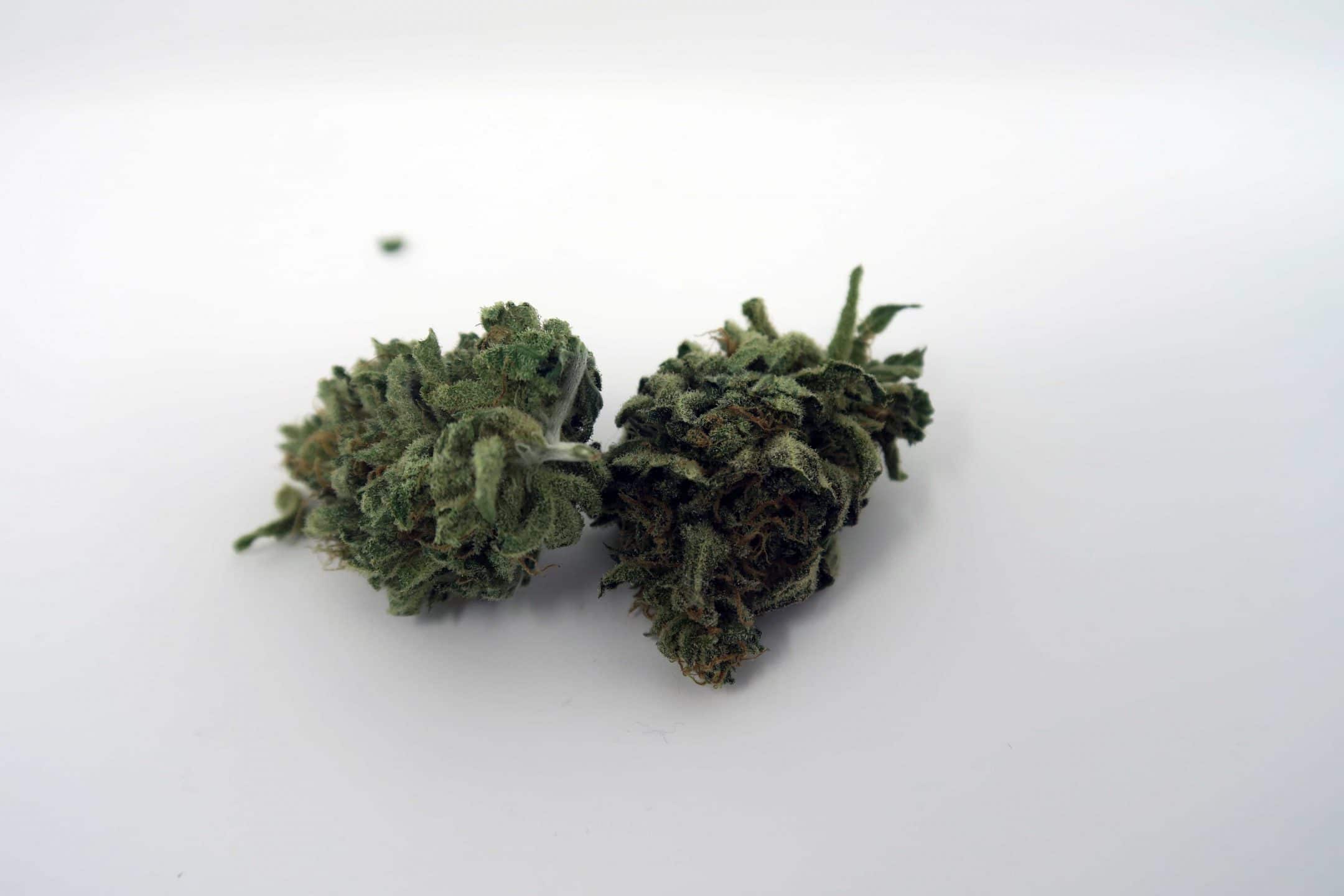
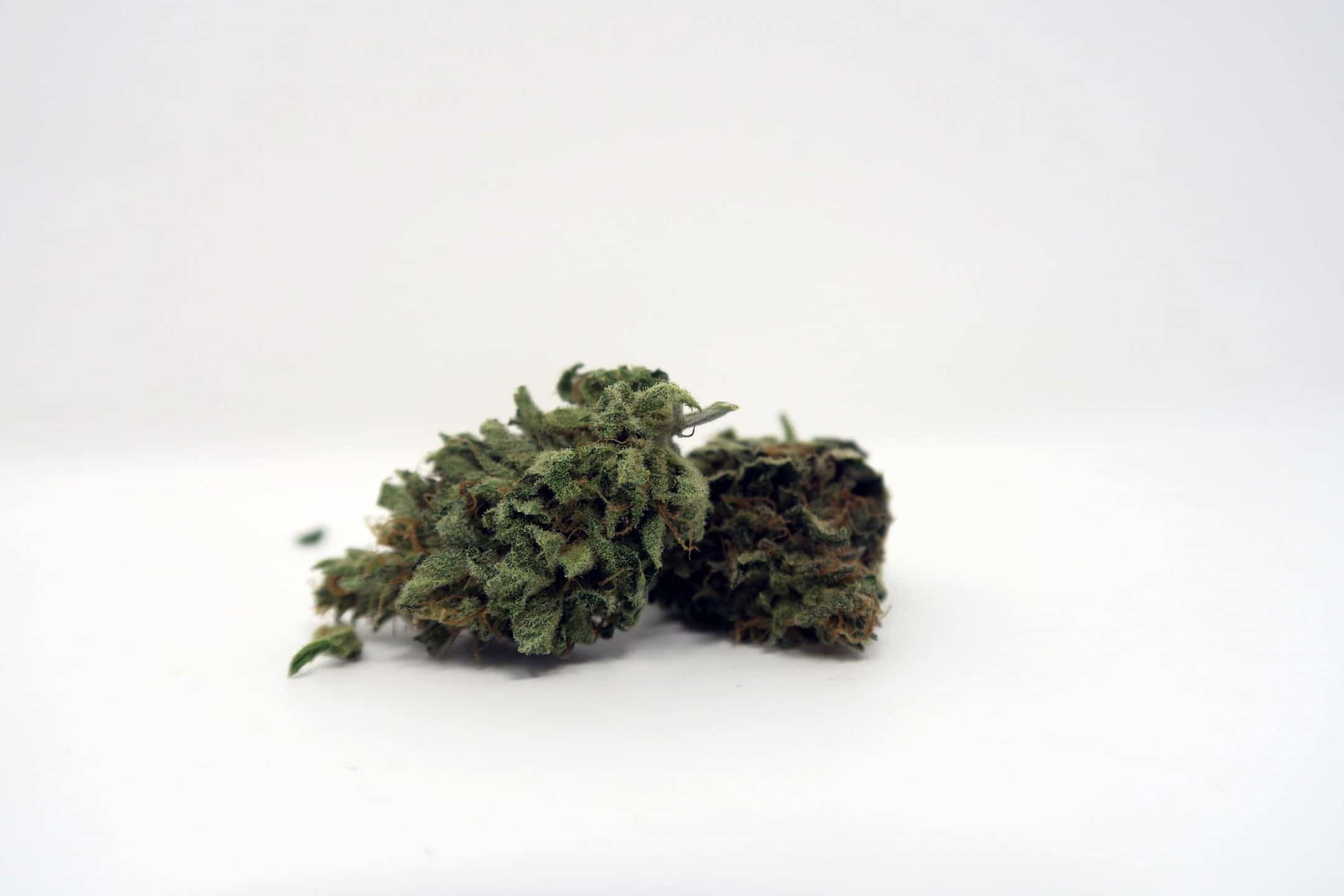
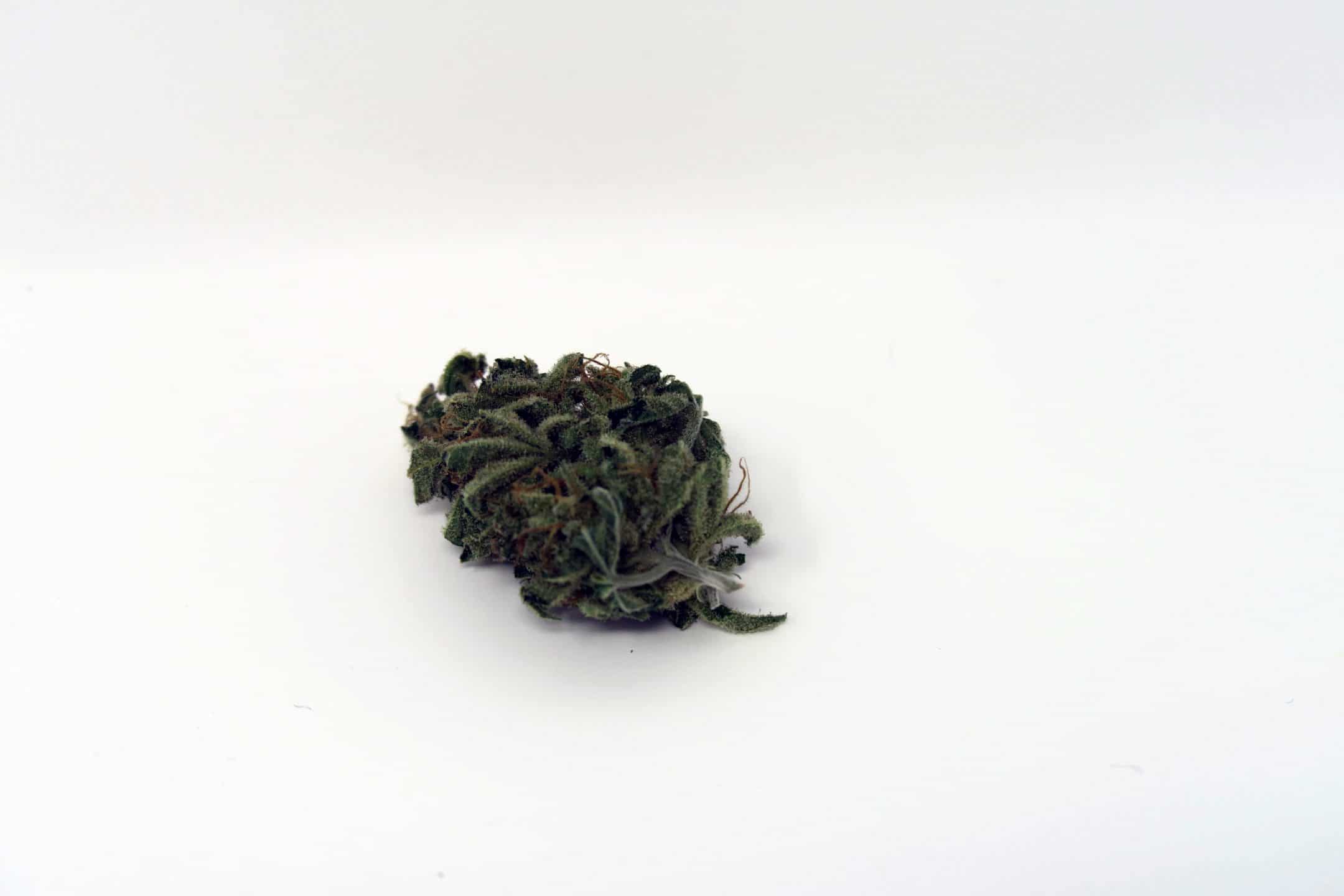
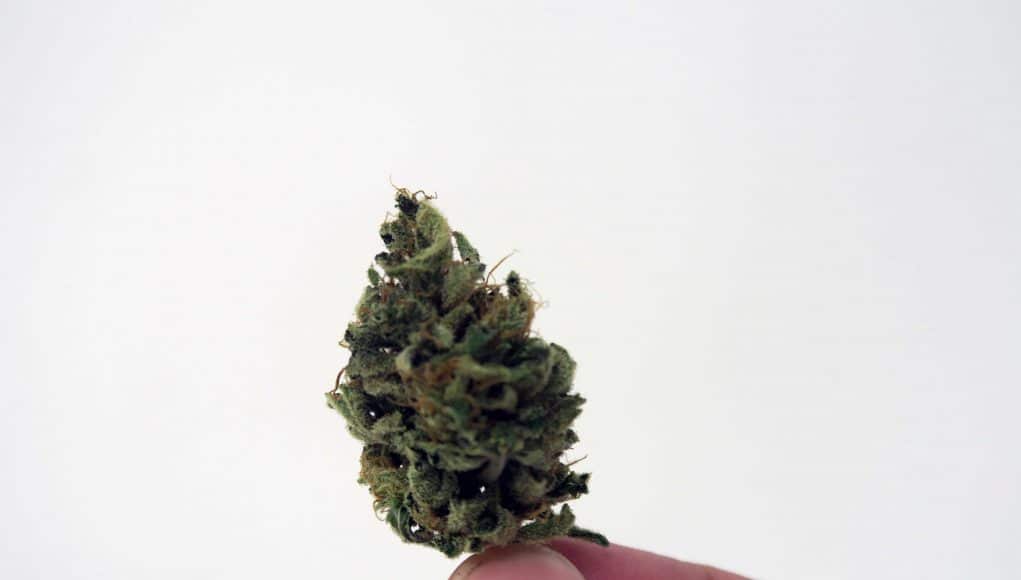
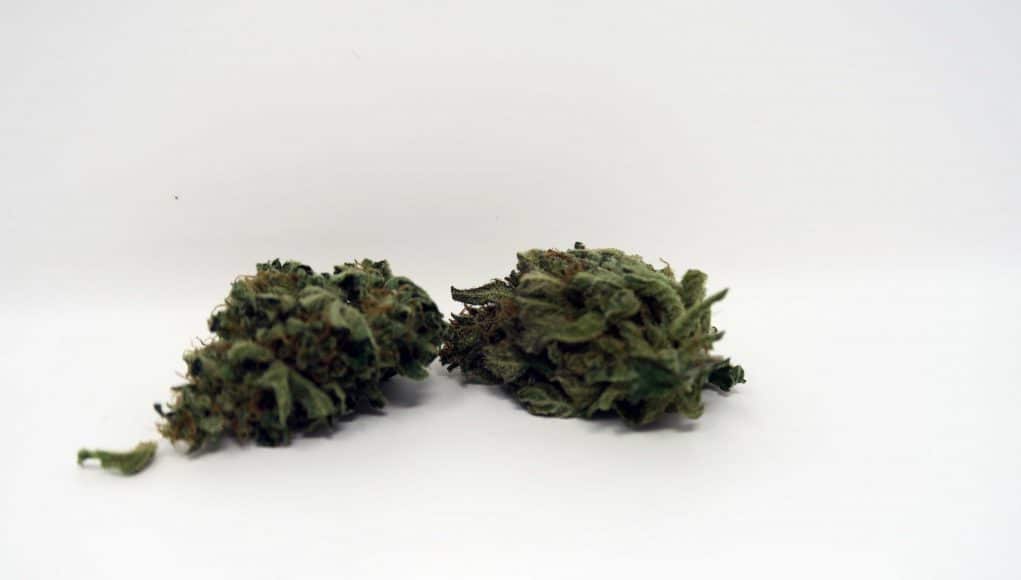
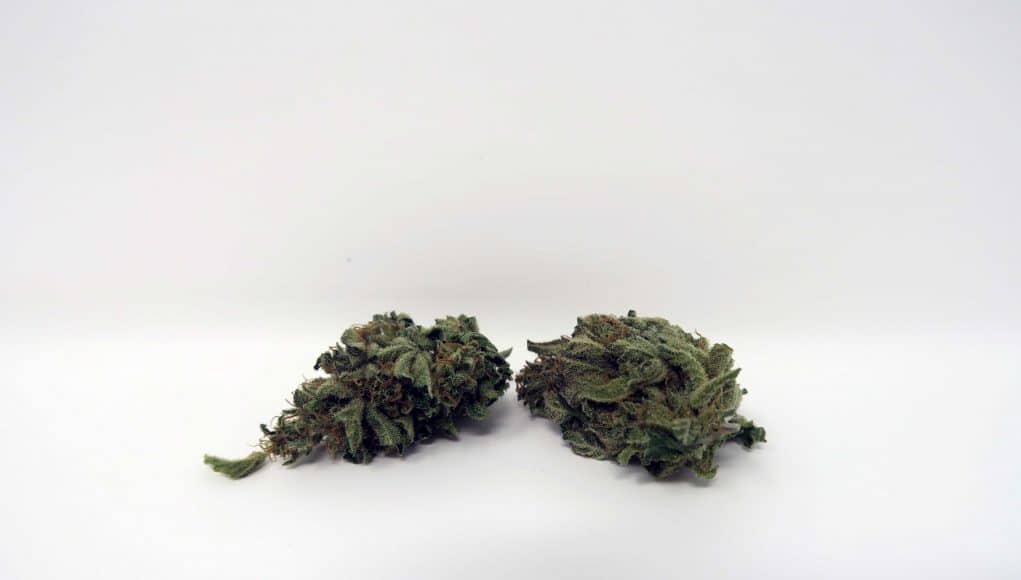
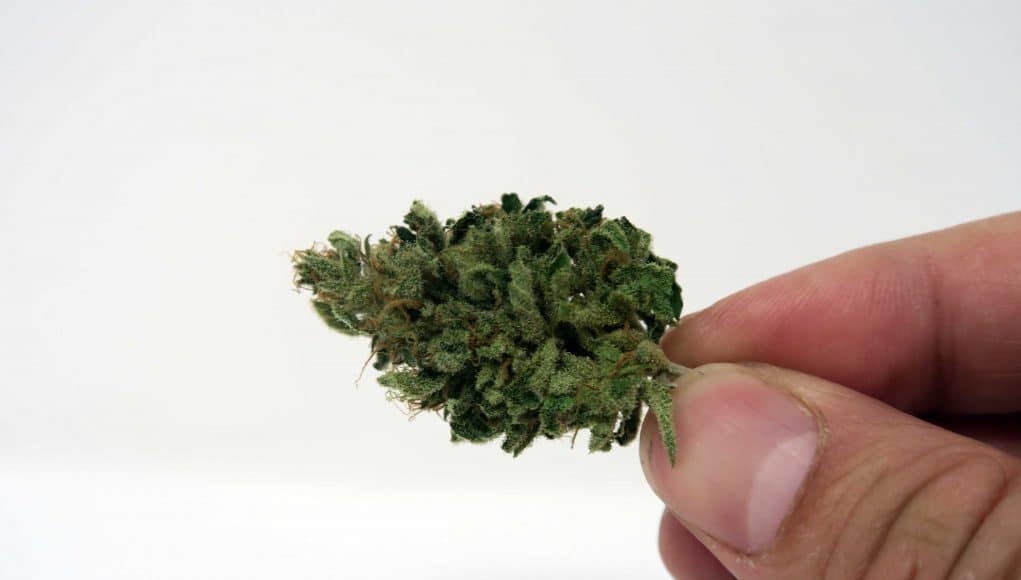
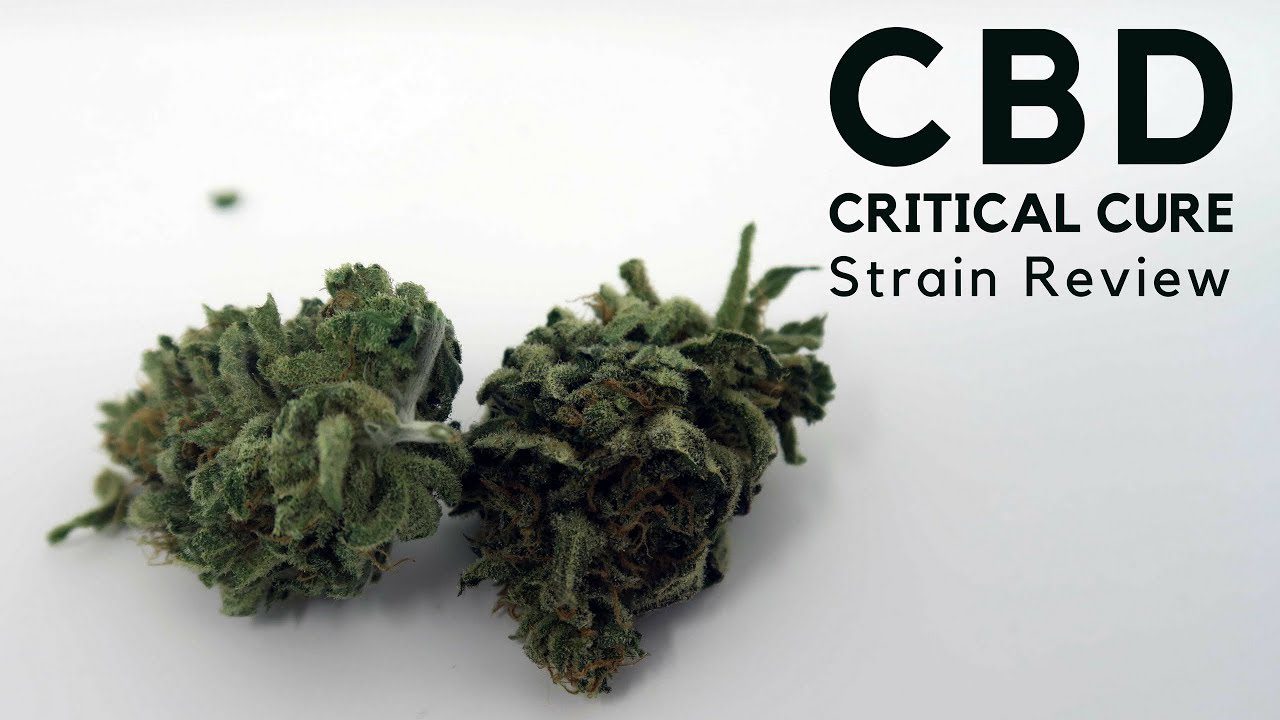
Archive images connected to CBD Critical Cure. These images are included for identification and context, not as medical evidence.
Source trail
- The source material provides a user review of CBD Critical Cure, highlighting its appearance, smell, taste, and effects.
- Official UK guidance on cannabis and CBD products is available from the NHS and the MHRA.
- Patients should consult the latest NHS and MHRA guidelines for information on the legal and medical considerations of using CBD Critical Cure.