Patient guide
Blues Cannabis Strain Information & Review
The Blues Cannabis Strain, also known as "Livers," is a hybrid cannabis variety with roots in the UK, particularly the Sheffield area. Originally derived from a Skunk No.1 phenotype in the late 1980s, it has gained a...
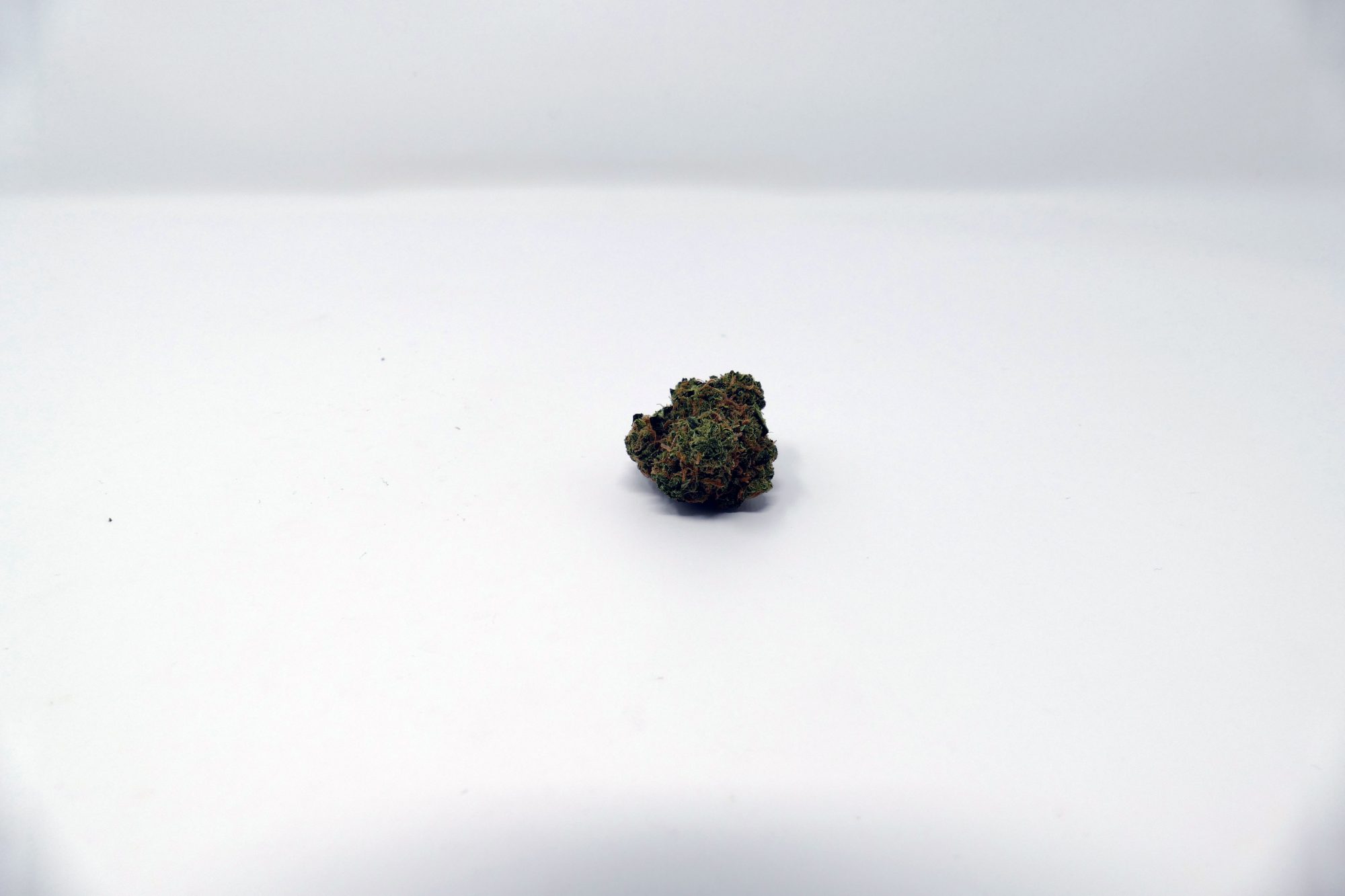
The Blues Cannabis Strain, also known as "Livers," is a hybrid cannabis variety with roots in the UK, particularly the Sheffield area. Originally derived from a Skunk No.1 phenotype in the late 1980s, it has gained a reputation among experienced growers and users. This guide provides an overview of the strain's characteristics, potential effects, and considerations for patients and carers. It is intended to support informed decision-making, particularly for those considering cannabis for therapeutic use.
Key takeaways
- The Blues Cannabis Strain is a hybrid with a sativa-dominant profile, typically containing less than 20% THC.
- It is known for its distinct skunky aroma and smooth, skunky flavour when consumed.
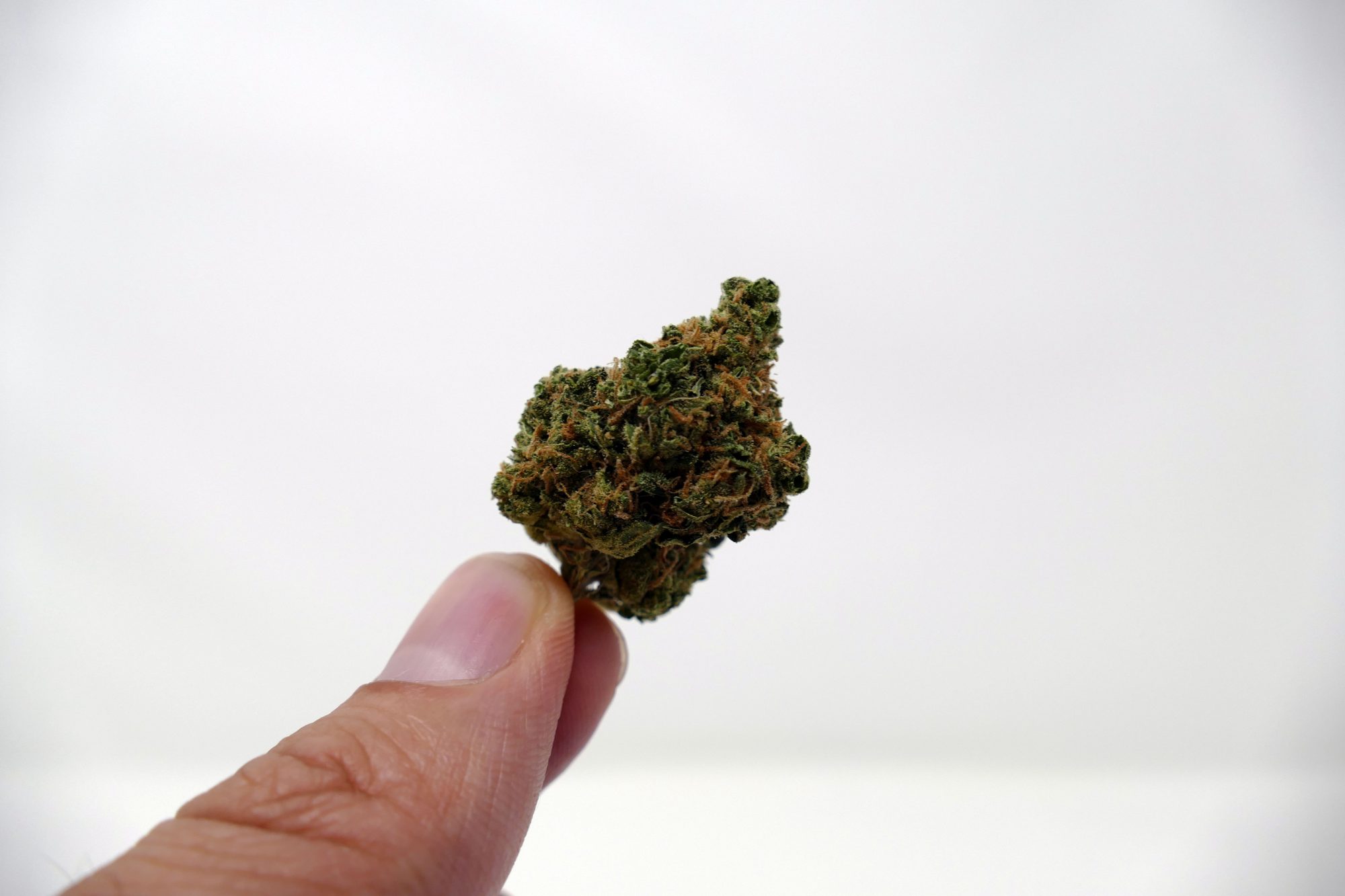
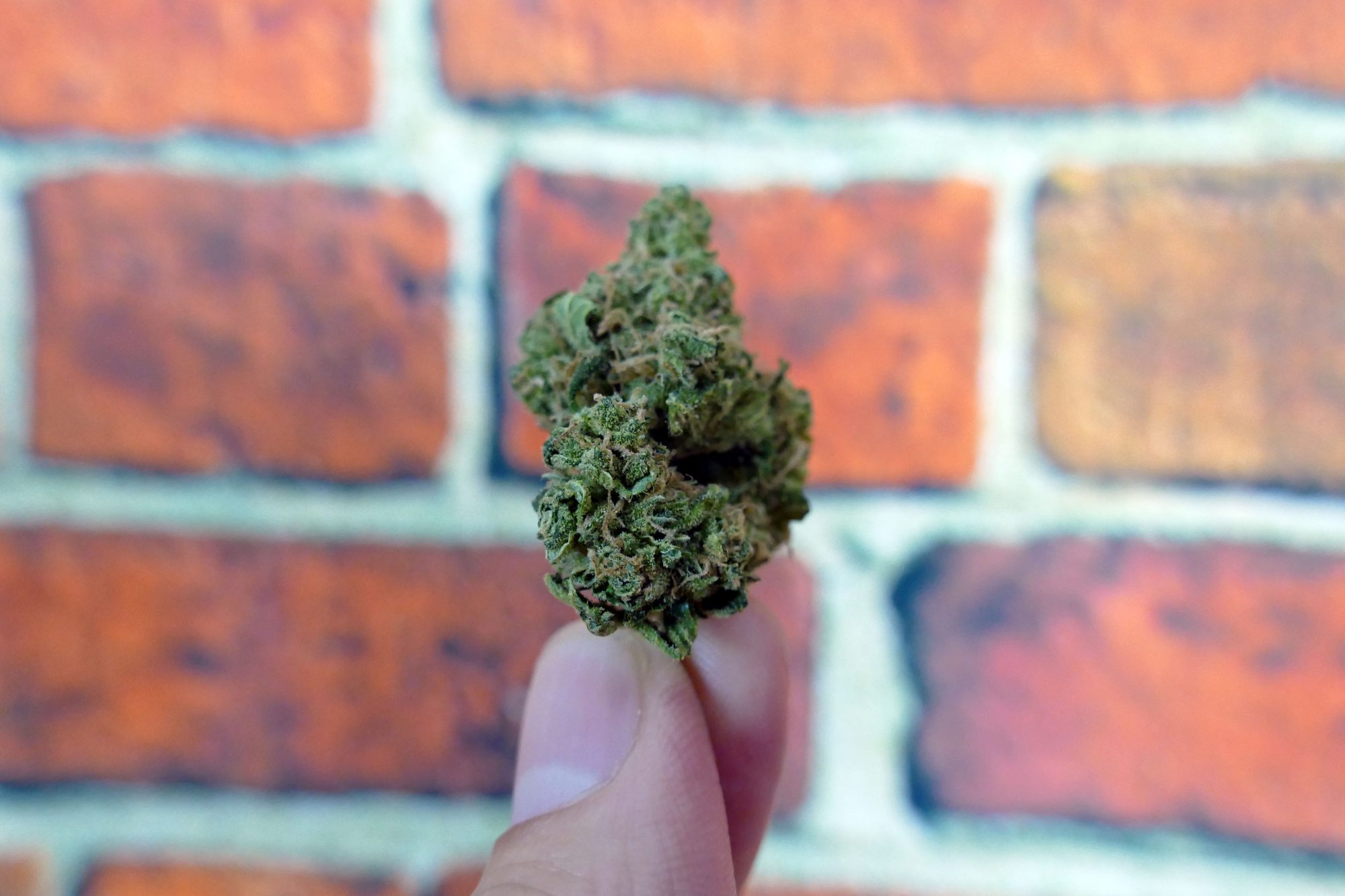
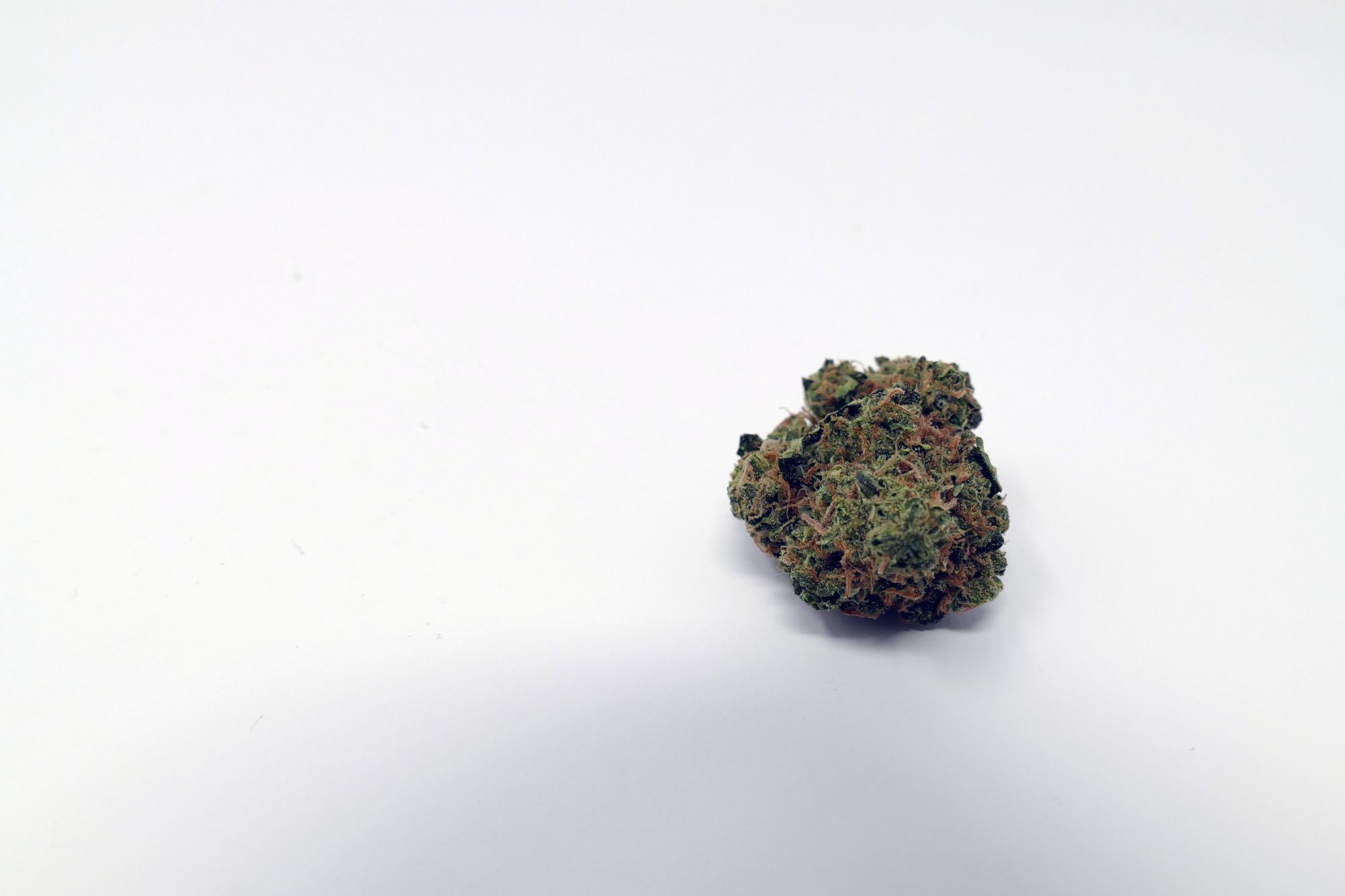
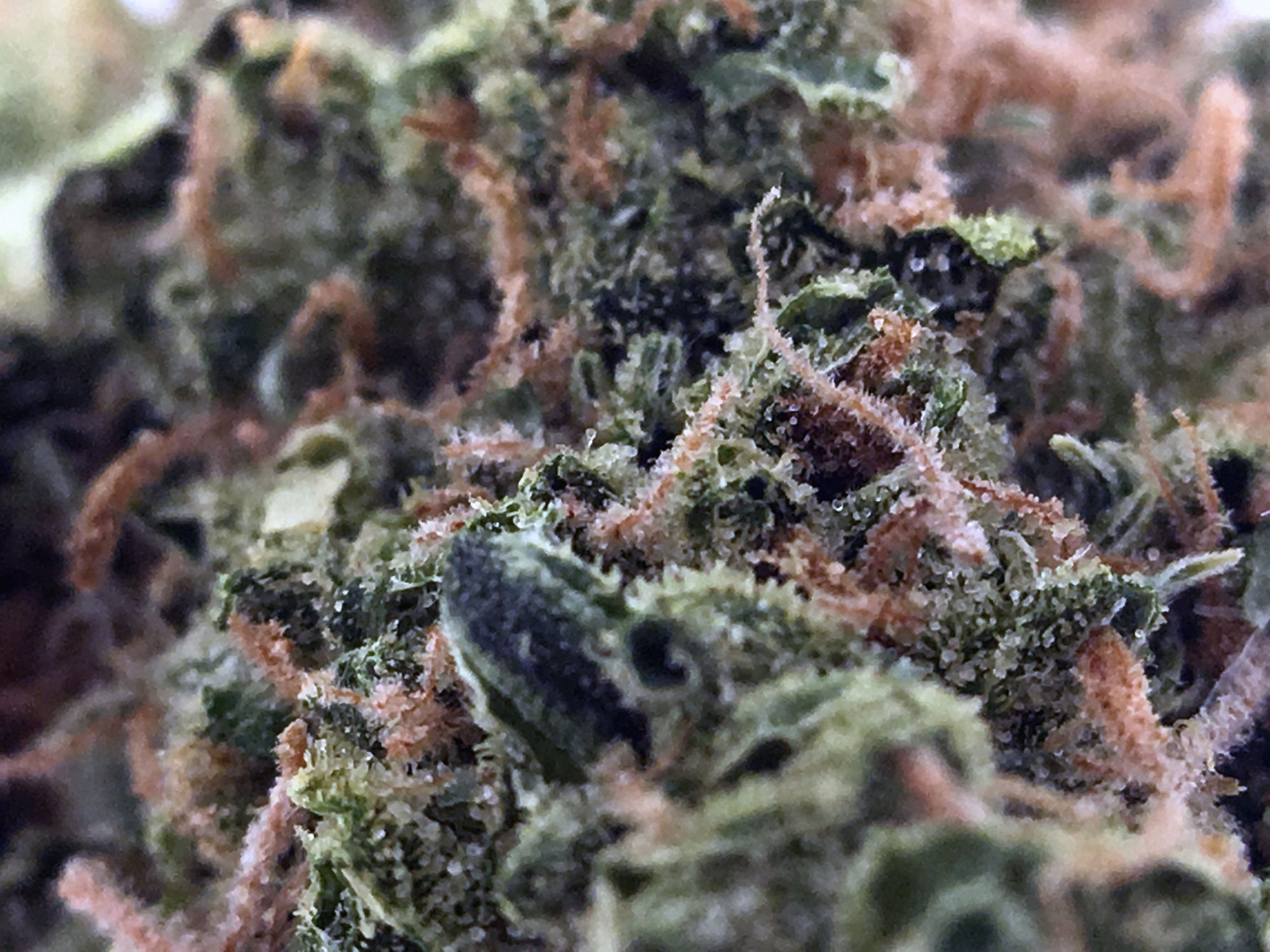
- The strain has a dense, non-uniform bud structure with dusty golden pistils.
- While it has a strong reputation among growers and users, there is limited clinical evidence on its therapeutic effects.
Evidence base
The Blues Cannabis Strain is primarily described through anecdotal and experiential accounts rather than clinical trials. It is often discussed in cannabis culture and user communities, where it is praised for its aroma, taste, and effects. As a Skunk No.1 phenotype, it is associated with the classic skunk aroma and flavour, which are well-documented in cannabis breeding and cultivation literature. However, these descriptions are based on sensory and subjective experiences rather than objective, peer-reviewed research.
The strain's effects are reported to be relaxing and uplifting, with some users noting a mild cerebral stimulation. These effects are consistent with the general properties of sativa-dominant hybrids, which are often associated with energising or mood-enhancing effects. However, the specific impact of the Blues strain on individuals can vary widely due to factors such as dosage, method of consumption, and individual physiology. There is no robust evidence to support specific therapeutic claims for this strain, and its use for medical purposes remains largely unproven.
The appearance of the strain, including its dense bud structure and golden pistils, is frequently highlighted in user reviews and cultivation guides. These descriptions are based on visual assessments and may not be universally consistent across different batches or growing conditions. While the strain's physical characteristics are well-documented, there is no clinical data linking these features to specific health outcomes or therapeutic benefits.
What patients should know
The Blues Cannabis Strain is not currently approved for medical use in the UK, and its therapeutic benefits have not been validated by clinical trials. Patients considering cannabis for medical purposes should be aware that the strain's effects can vary significantly between individuals and that there is no guarantee of consistent or predictable outcomes. It is important to understand that the strain's reported effects are based on anecdotal evidence rather than scientific research.
Patients should also be mindful of the potential risks associated with cannabis use, including the risk of dependency, cognitive impairment, and adverse effects on mental health. The strain's THC content, while relatively low, can still contribute to these risks, particularly when used in higher doses or by individuals with a history of mental health issues. It is advisable to consult with a healthcare professional before using any cannabis product, especially if you have pre-existing medical conditions or are taking other medications.
For patients who are using cannabis for symptom management, it is important to track the effects of the strain and report any changes in symptoms or side effects to a clinician. This can help in adjusting the treatment plan and ensuring that the use of cannabis is both safe and effective. Additionally, patients should be aware of the legal status of cannabis in the UK and the potential consequences of possession or use.
When to speak to a clinician
Patients should consult a clinician if they are considering using cannabis for medical purposes, especially if they have a history of mental health issues, are taking other medications, or are experiencing adverse effects. It is also important to speak to a clinician if the strain's effects are not consistent with expectations or if there are concerns about the safety or efficacy of the product.
Red flags or review points to discuss with a clinician include any changes in mood, sleep patterns, or cognitive function, as well as any physical symptoms such as dizziness, nausea, or anxiety. Patients should also report any interactions with other medications or supplements, as cannabis can affect the metabolism of certain drugs. If there are concerns about the legal status of the product or its source, it is important to seek guidance from a healthcare professional.
Questions to ask a clinician
- What are the potential risks and benefits of using the Blues Cannabis Strain for my specific condition?
- How might the strain interact with my current medications or other treatments?
- What are the signs of a negative reaction or adverse effect that I should be aware of?
Image gallery
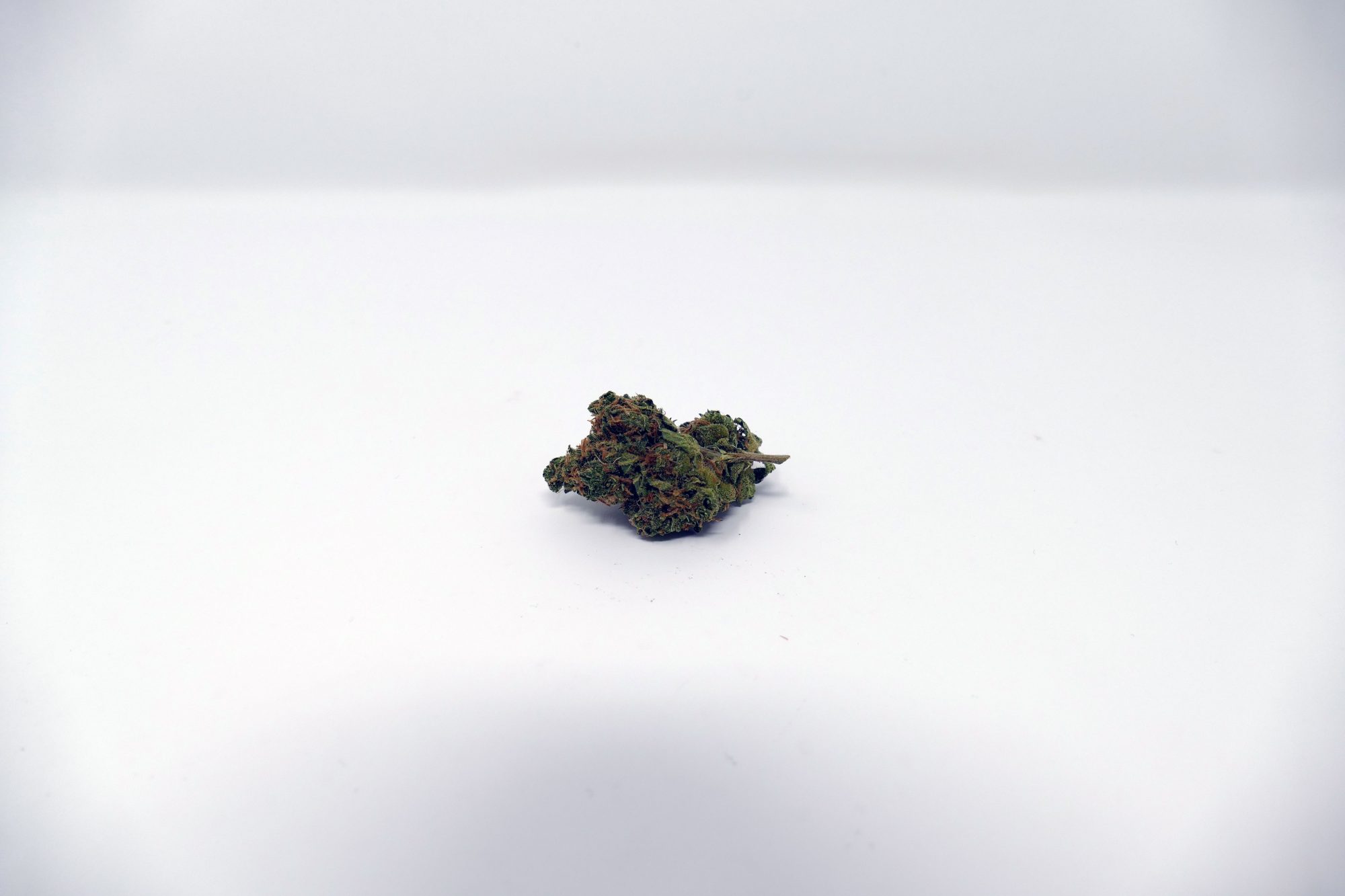
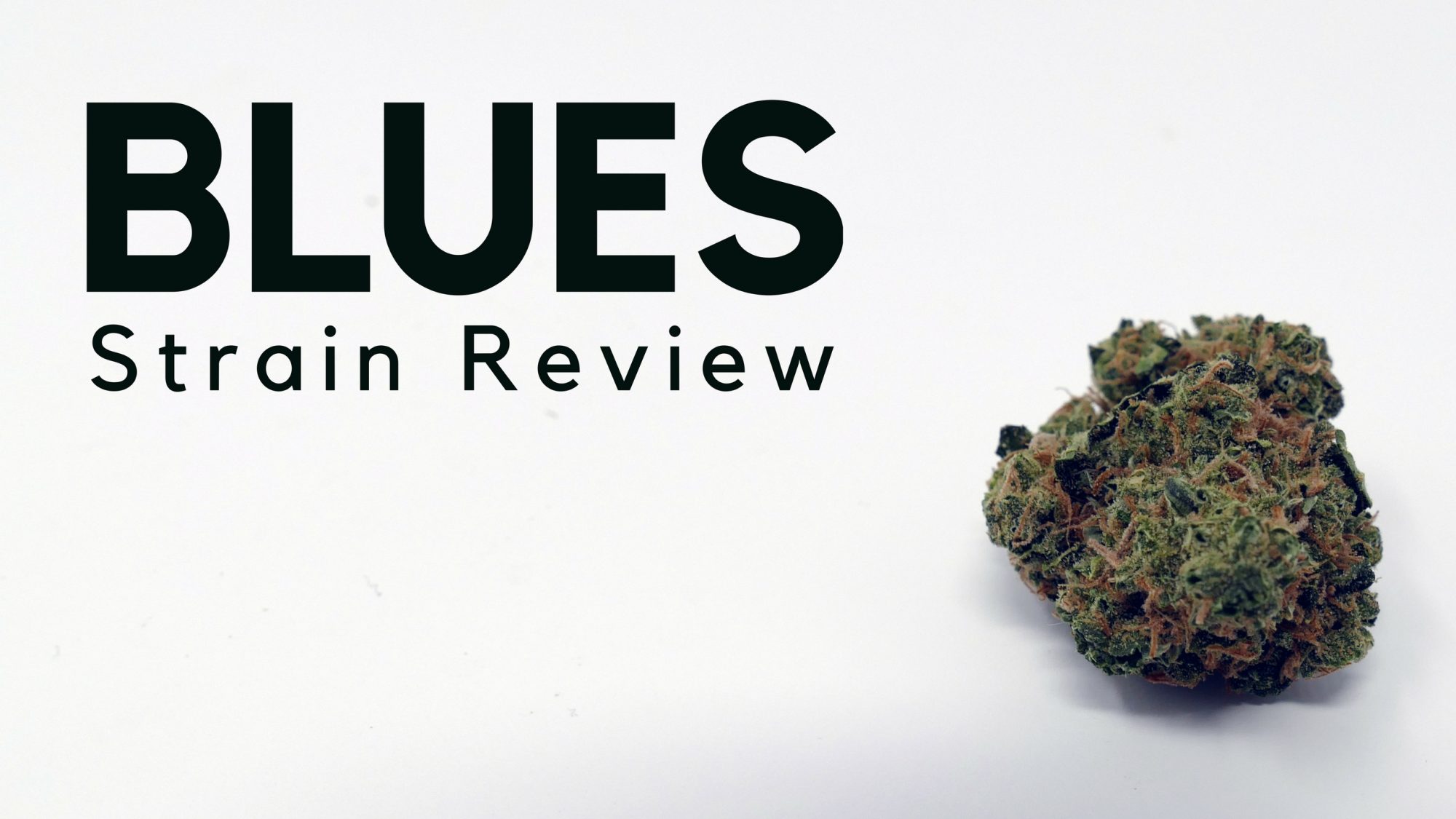
Archive images connected to Blues Cannabis Strain Information & Review. These images are included for identification and context, not as medical evidence.

Source trail
- The description of the Blues Cannabis Strain is based on user reviews and cultivation guides, which are not peer-reviewed clinical sources.
- There is no official UK guidance or regulatory documentation specifically addressing the therapeutic use of the Blues Cannabis Strain.
- The general properties of cannabis strains, including their effects and characteristics, are based on scientific literature and cannabis culture resources.