
Medical Education
Beginners Overview and Guide to Hydroponic Gardening
Hydroponic gardening is a method of growing plants without soil, using nutrient-rich water solutions. This approach has roots in ancient history and has evolved significantly over the past century, particularly during...
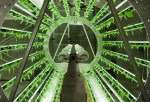
Hydroponic gardening is a method of growing plants without soil, using nutrient-rich water solutions. This approach has roots in ancient history and has evolved significantly over the past century, particularly during times of food scarcity. Today, hydroponics is used widely in agriculture, offering a sustainable way to grow food in controlled environments. This guide provides an overview of hydroponic gardening, its historical context, and practical considerations for patients and carers interested in learning more.
Key takeaways
- Hydroponic gardening has historical roots dating back to ancient Egypt and China, with modern development accelerated during and after World War II.
- Hydroponics involves growing plants in an inert medium with a nutrient-rich water solution, allowing for precise control over growth conditions.
- The method is used extensively in commercial agriculture, particularly in Europe, where a significant proportion of tomatoes, cucumbers, and flowers are grown hydroponically.
- Water quality and nutrient selection are critical factors in the success of hydroponic systems, requiring careful management and monitoring.
Evidence base
The origins of hydroponics can be traced to ancient civilizations, where early forms of soilless cultivation were practiced. Egyptian records from before the time of Christ describe plants being grown in the Nile without soil, while Marco Polo noted floating gardens in China during the 13th century. These early practices laid the foundation for modern hydroponic techniques. The formal study of hydroponics began in the 19th century, with significant advancements made during and after World War II. The need to produce food for military personnel in remote locations spurred research into soilless cultivation methods, leading to the development of modern hydroponic systems.
In recent decades, hydroponics has become a key component of sustainable agriculture. In Europe, for example, around 80% of tomatoes and 90% of cucumbers are grown using hydroponic systems, alongside a large portion of the flower production in countries like the Netherlands. These figures highlight the widespread adoption of hydroponics in commercial farming. However, while the method is well-established in agriculture, there is limited evidence on its use in home or small-scale settings, particularly in the UK. Most of the available information comes from agricultural studies and industry reports rather than clinical or patient-focused research.
The scientific basis for hydroponics lies in the understanding of plant nutrition and environmental control. Plants require water, light, oxygen, and nutrients, and hydroponic systems aim to provide these elements in optimal quantities. Nutrient solutions are carefully formulated to meet the specific needs of different plant species, and water quality is a critical factor in determining the success of the system. While the principles of hydroponics are well-documented, the long-term health impacts of consuming hydroponically grown produce are not yet fully understood, and further research is needed in this area.
What patients should know
Hydroponic gardening is a method of growing plants without soil, using nutrient-rich water solutions. This approach allows for precise control over the growing environment, which can lead to faster growth and higher yields. However, it is important to understand that hydroponic systems require careful management and monitoring to ensure the health of the plants and the quality of the produce.
For patients and carers, it is essential to consider the practical aspects of hydroponic gardening. Setting up a hydroponic system involves selecting the right equipment, such as grow lights, nutrient solutions, and containers. Water quality is a critical factor, as poor water quality can lead to nutrient imbalances and plant stress. It is also important to monitor the pH and nutrient levels regularly to maintain a healthy growing environment.
While hydroponic gardening can be a rewarding hobby or a way to grow fresh produce at home, it is not without its challenges. The initial setup can be costly, and ongoing maintenance is required to ensure the system functions properly. Additionally, there may be a learning curve involved in understanding the specific needs of different plants and how to adjust the growing conditions accordingly. Patients and carers should be prepared to invest time and effort into learning and maintaining a hydroponic system.
When to speak to a clinician
If you are considering starting a hydroponic garden, it is important to be aware of the potential risks and considerations. While hydroponic gardening is generally safe, there are certain situations where it may be necessary to consult a clinician. For example, if you have a chronic illness or are taking medications, it is important to discuss any potential interactions with nutrient solutions or water quality. Some medications may affect the body's ability to process nutrients, and certain conditions may require careful monitoring of the growing environment.
If you are using hydroponic systems for therapeutic purposes, such as growing medicinal plants or herbs, it is advisable to consult a clinician to ensure the safety and efficacy of the produce. Additionally, if you are experiencing any adverse effects from the use of hydroponic systems, such as skin irritation or respiratory issues, it is important to seek medical advice. These symptoms may indicate an allergic reaction or an environmental issue that requires further investigation.
Red flags to watch for include persistent skin irritation, difficulty breathing, or changes in the appearance of the plants that may indicate contamination or nutrient imbalance. If you notice any of these signs, it is important to review the system's setup and consult a clinician if necessary. Regular monitoring and maintenance of the hydroponic system can help prevent these issues, but it is always better to seek professional advice if you are unsure.
Questions to ask a clinician
- What are the potential health risks associated with hydroponic gardening?
- How can I ensure the safety of the produce grown in a hydroponic system?
- Are there any specific considerations for patients with chronic illnesses or on medications?
Source trail
- [Source 1] Beginners Overview and Guide to Hydroponic Gardening (history-hydroponic-g