Patient guide
Baked Italian: Over 50 Mediterranean Cannabis-Infused Meals
The use of cannabis-infused meals is a growing area of interest for patients and carers seeking alternative ways to manage symptoms. While the therapeutic potential of cannabinoids is increasingly recognised, the...
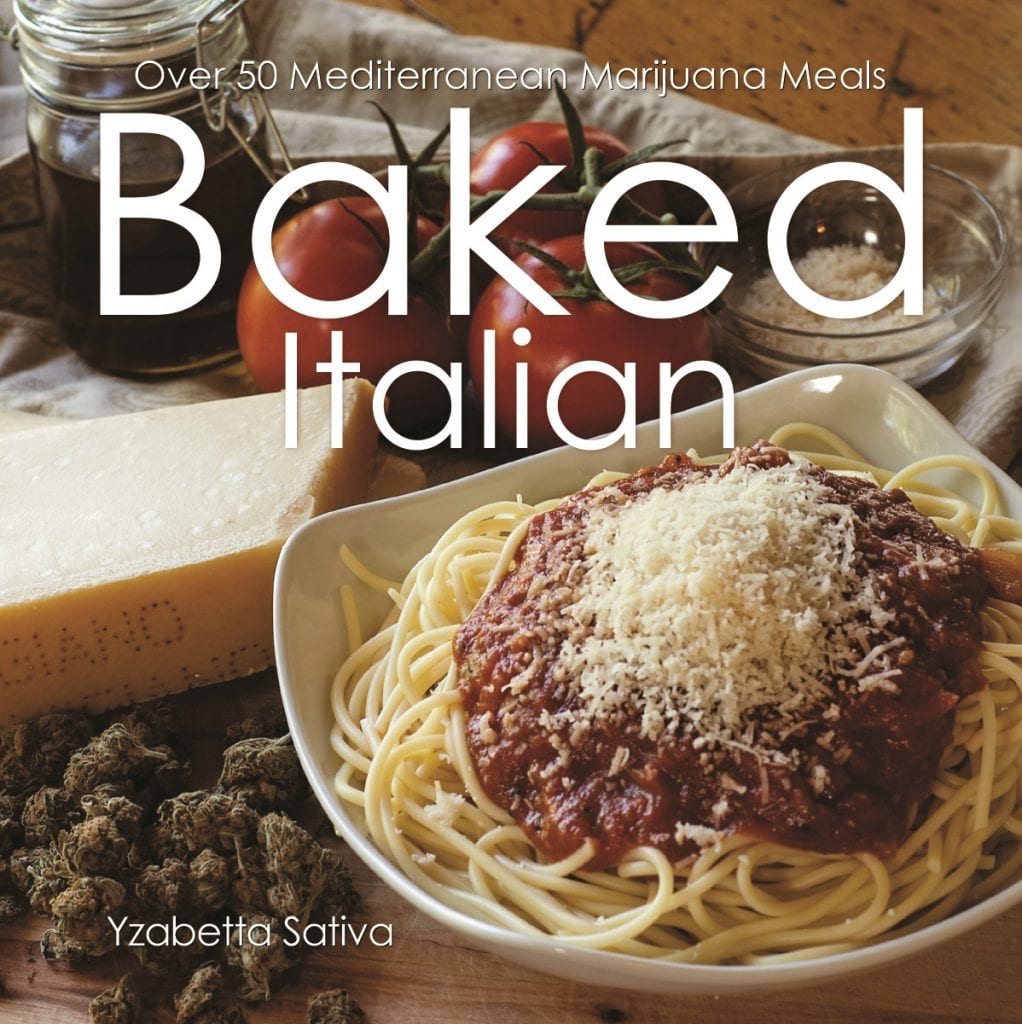
The use of cannabis-infused meals is a growing area of interest for patients and carers seeking alternative ways to manage symptoms. While the therapeutic potential of cannabinoids is increasingly recognised, the preparation and consumption of cannabis-infused foods require careful consideration. This guide provides a factual overview of the topic, focusing on the practical aspects of using cannabis-infused meals, the evidence supporting their use, and the important considerations for patients and carers.
Key takeaways
- Cannabis-infused meals can be a method of administering cannabinoids, but they are not a standard medical treatment and should be used under professional guidance.
- The effectiveness and safety of cannabis-infused meals depend on the quality of the product, the method of preparation, and the individual's medical condition.
- There is limited clinical evidence on the long-term safety and efficacy of cannabis-infused meals, and more research is needed to establish their role in medical treatment.
- Patients and carers should be cautious about the source of the product, the dosage, and the potential for interactions with other medications.
Evidence base
The evidence surrounding the use of cannabis-infused meals is limited and largely based on anecdotal reports and small-scale studies. While some research suggests that cannabinoids may have therapeutic benefits for conditions such as chronic pain, nausea, and appetite loss, the specific effects of cannabis-infused meals have not been extensively studied. Most of the available information comes from user experiences and the development of recipes by individuals and organisations interested in the culinary use of cannabis.
The preparation of cannabis-infused meals involves the extraction of cannabinoids from the plant material, typically through methods such as decarboxylation and infusion into fats or oils. These processes can affect the potency and bioavailability of the cannabinoids. However, the variability in preparation methods and the lack of standardisation in product quality make it difficult to assess the consistency of effects. There is also limited data on the long-term health impacts of consuming cannabis-infused foods, particularly in relation to liver function and gastrointestinal health.
In the UK, the legal status of cannabis-infused meals is complex. While the possession and use of cannabis for medicinal purposes are permitted under specific conditions, the preparation and sale of cannabis-infused products are tightly regulated. Patients and carers must be aware of the legal framework and the potential risks associated with the use of such products, including the risk of contamination and the lack of quality control.
What patients should know
Cannabis-infused meals can be a way to consume cannabinoids, but they are not a substitute for prescribed medical treatments. Patients should be aware that the effects of cannabis-infused meals can vary widely depending on the preparation method, the dosage, and the individual's response. It is important to start with a low dose and monitor the effects closely. The potency of the product can be difficult to predict, so patients should be cautious about the amount they consume.
The preparation of cannabis-infused meals requires careful attention to detail. The process involves decarboxylation, which activates the cannabinoids, and infusion, which incorporates them into the food. These steps can be complex and may require specific equipment and knowledge. Patients should be advised to follow reliable recipes and to consult with a qualified professional if they are unsure about the preparation process.
Patients should also be aware of the potential interactions between cannabis-infused meals and other medications. Cannabinoids can affect the metabolism of certain drugs, potentially increasing or decreasing their effects. It is important to discuss the use of cannabis-infused meals with a healthcare provider to ensure that they are safe and appropriate for the individual's medical condition.
- Always start with a low dose.
- Monitor for any adverse effects.
- Consult with a healthcare provider before use.
- Be aware of the legal status in your area.
When to speak to a clinician
Patients should speak to a clinician before using cannabis-infused meals, especially if they have a pre-existing medical condition or are taking other medications. A clinician can help assess the potential benefits and risks of using cannabis-infused meals and determine whether they are appropriate for the individual's needs. It is also important to discuss the method of preparation and the dosage to ensure that the product is safe and effective.
Patients should seek medical advice if they experience any adverse effects, such as nausea, dizziness, or changes in mood. These symptoms may indicate an allergic reaction or an overdose. In addition, patients should consult a clinician if they are unsure about the quality or safety of the product they are using. It is important to be aware of the legal status of cannabis-infused meals in the UK and to ensure that they are obtained from a reputable source.
- Experiencing adverse effects.
- Uncertainty about the product's safety or quality.
- Changes in medical condition or medication use.
- Legal concerns regarding the product's source or use.
Questions to ask a clinician
- What are the potential benefits and risks of using cannabis-infused meals for my condition?
- How can I ensure the safety and quality of the product I am using?
- What is the appropriate dosage for my medical condition?
- Are there any interactions between cannabis-infused meals and my current medications?
Image gallery
Archive images connected to Baked Italian: Over 50 Mediterranean Cannabis-Infused Meals. These images are included for identification and context, not as medical evidence.
Source trail
- Baked Italian: Over 50 Mediterranean Cannabis-Infused Meals (source material)
- UK Medicines and Healthcare products Regulatory Agency (MHRA) guidance on cannabis products
- National Institute for Health and Care Excellence (NICE) guidance on the use of cannabis-based products for medicinal purposes