Patient guide
At a glance, this weed didn't seem so bad. Then I took a closer look
The appearance and aroma of cannabis products can be misleading. A product that looks and smells "normal" may still be of poor quality or unsafe. This guide explores the importance of inspecting cannabis products, the...
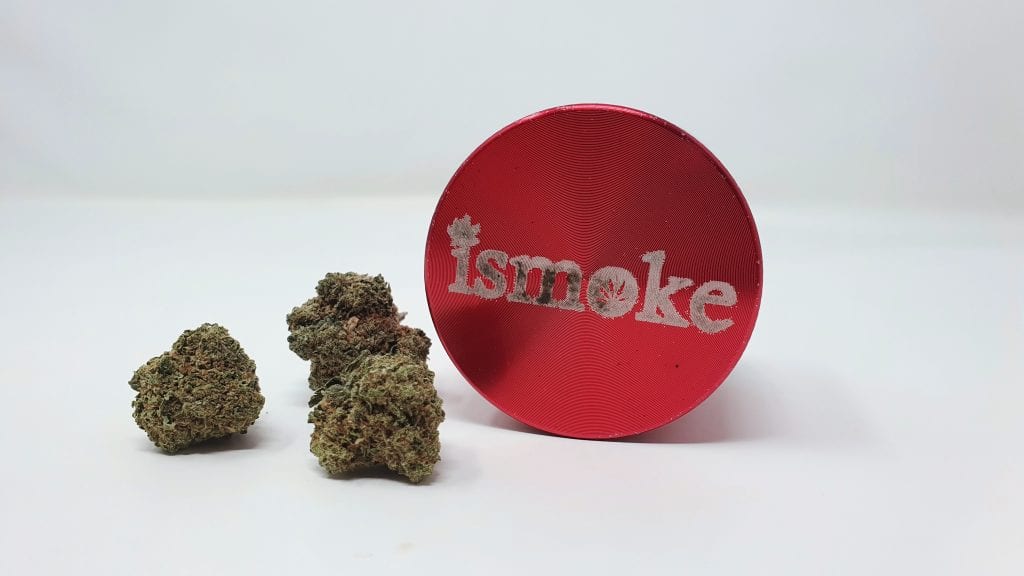
The appearance and aroma of cannabis products can be misleading. A product that looks and smells "normal" may still be of poor quality or unsafe. This guide explores the importance of inspecting cannabis products, the potential risks of substandard cannabis, and what patients and carers should consider when evaluating the quality and safety of cannabis products.
Key takeaways
- The appearance and aroma of cannabis products can be misleading and do not always indicate quality or safety.
- Poorly stored or improperly dried cannabis can lose potency, develop off-flavours, and become less effective.
- The use of growth regulators (PGRs) or other chemical treatments can affect the quality and safety of cannabis products.
- Patients should inspect cannabis products for signs of poor quality, such as dryness, discolouration, or an unusual smell.
Evidence base
The quality and safety of cannabis products are influenced by factors such as storage conditions, drying methods, and the use of chemical treatments during cultivation. Poor storage, such as exposure to heat or light, can degrade the active compounds in cannabis, reducing its potency and effectiveness. A study published in the *Journal of Cannabis Research* found that cannabis stored for extended periods in non-ideal conditions showed significant loss of terpenes and cannabinoids, which are responsible for the plant's effects and aroma.
The use of growth regulators (PGRs) during cultivation is a common practice in commercial cannabis production. While these substances can help control plant growth and increase yield, their presence can affect the chemical profile of the final product. Research from the *British Journal of Pharmacology* suggests that PGRs may alter the terpene composition, potentially impacting the sensory experience and therapeutic effects of the product. However, the long-term health effects of PGR exposure in cannabis are not well understood, and more research is needed to determine their safety.
In the UK, the Medicines and Healthcare products Regulatory Agency (MHRA) and the National Institute for Health and Care Excellence (NICE) provide guidance on the safe use of cannabis products. These organisations recommend that patients and carers inspect products for signs of poor quality and seek advice from healthcare professionals if they have concerns about the safety or effectiveness of a product. While there is no specific legislation governing the quality of cannabis products for medical use, the MHRA encourages manufacturers to adhere to good manufacturing practices to ensure product safety.
What patients should know
When evaluating cannabis products, patients should be aware that visual and olfactory cues alone are not reliable indicators of quality or safety. A product that appears dry, discoloured, or has an unusual smell may be a sign of poor storage or handling. It is important to note that even if a product looks and smells normal, it may still be of low potency or contain harmful substances.
Patients should also be cautious about the source of the product. Purchasing from unregulated or unknown suppliers increases the risk of receiving substandard or unsafe products. It is advisable to buy from licensed suppliers who follow good manufacturing practices and provide information about the product's origin, cultivation methods, and storage conditions.
Additionally, patients should be aware that the use of chemical treatments during cultivation, such as growth regulators, can affect the chemical profile of the product. While these substances are commonly used in commercial cannabis production, their long-term health effects are not fully understood. Patients who have concerns about the safety or effectiveness of a product should consult with a healthcare professional for guidance.
- Check for signs of poor quality, such as dryness, discolouration, or an unusual smell.
- Be cautious about the source of the product and consider purchasing from licensed suppliers.
- Consult with a healthcare professional if you have concerns about the safety or effectiveness of a product.
When to speak to a clinician
If you have concerns about the quality or safety of a cannabis product, it is important to speak to a healthcare professional. This is particularly important if you experience adverse effects, such as coughing, throat irritation, or a bad taste, after using the product. These symptoms may indicate poor quality or improper storage.
Patients should also seek medical advice if they suspect the product may contain harmful substances or if they are unsure about the product's potency. It is important to be honest with your clinician about the product's appearance, smell, and any symptoms you have experienced. This information can help your clinician assess the potential risks and provide appropriate guidance.
- Experience adverse effects such as coughing or throat irritation.
- Suspect the product may contain harmful substances.
- Are unsure about the product's potency or effectiveness.
Questions to ask a clinician
- What are the signs of poor quality in cannabis products, and how can I identify them?
- Should I be concerned about the use of growth regulators or other chemical treatments in cannabis products?
- What should I do if I suspect a product is of poor quality or unsafe?
Image gallery
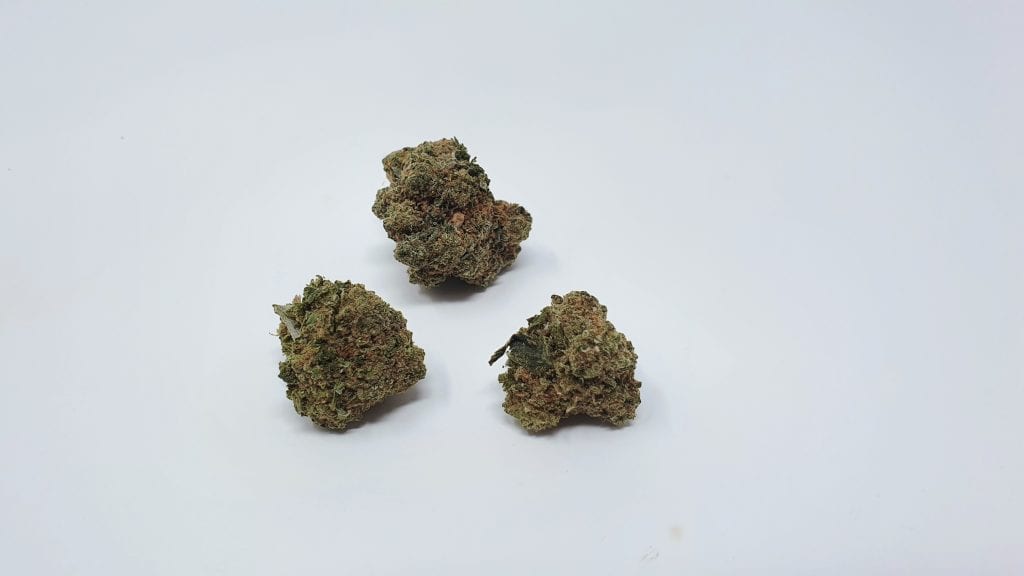
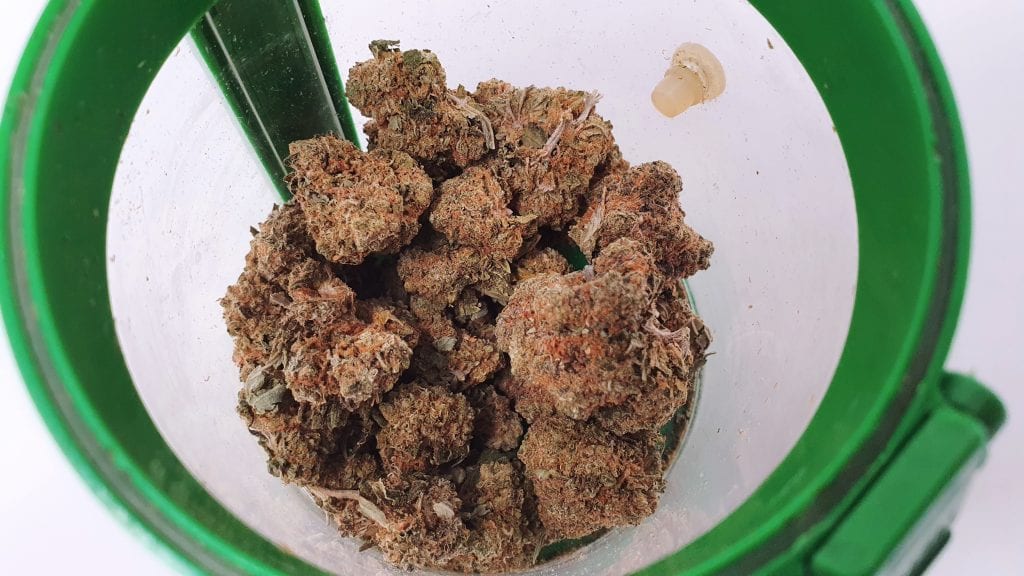
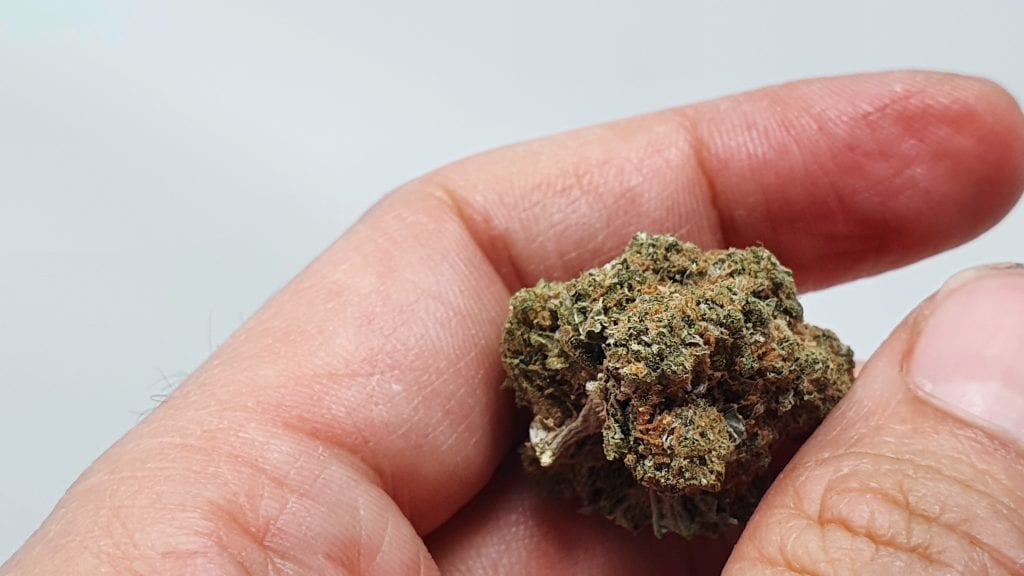
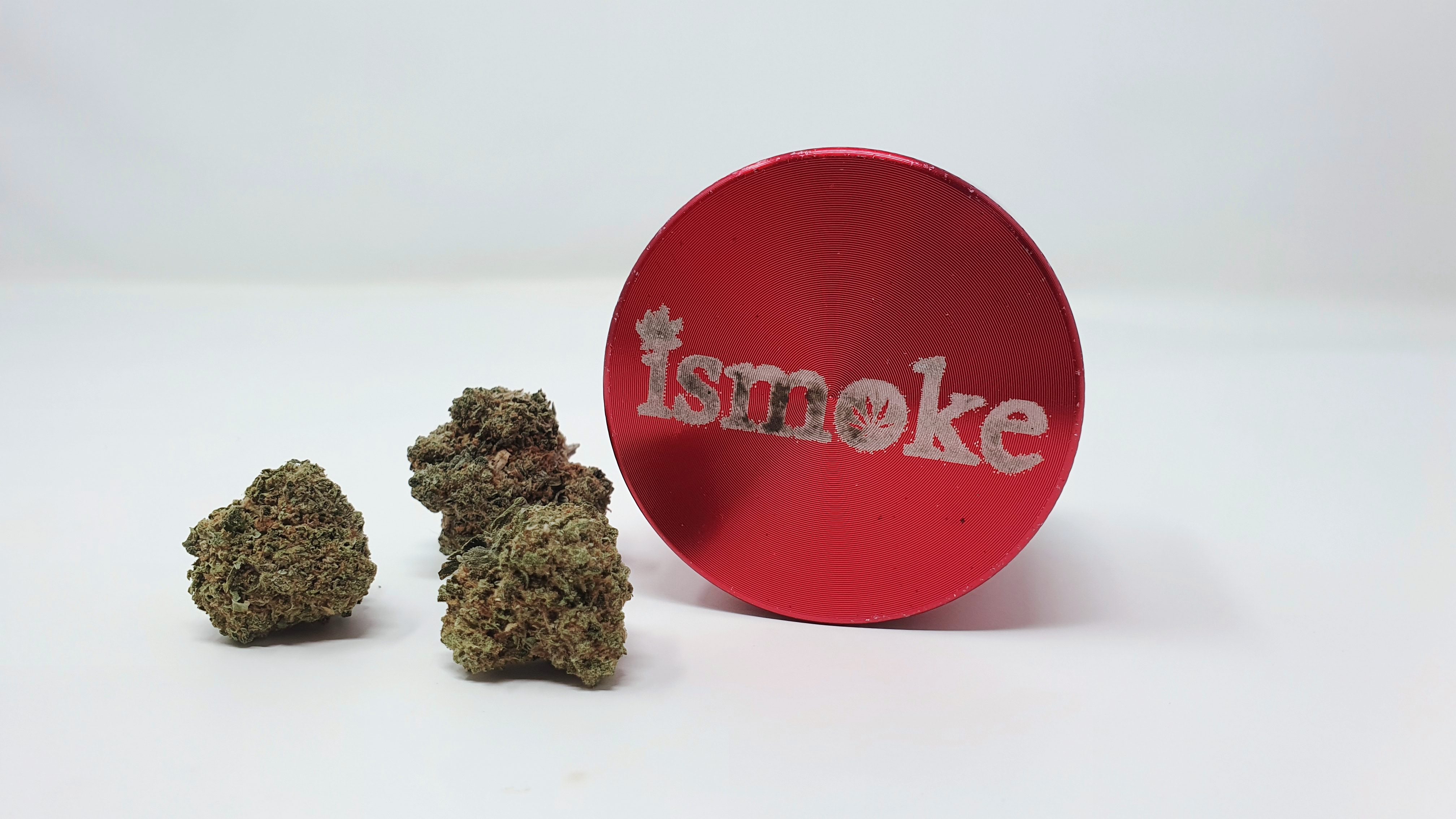
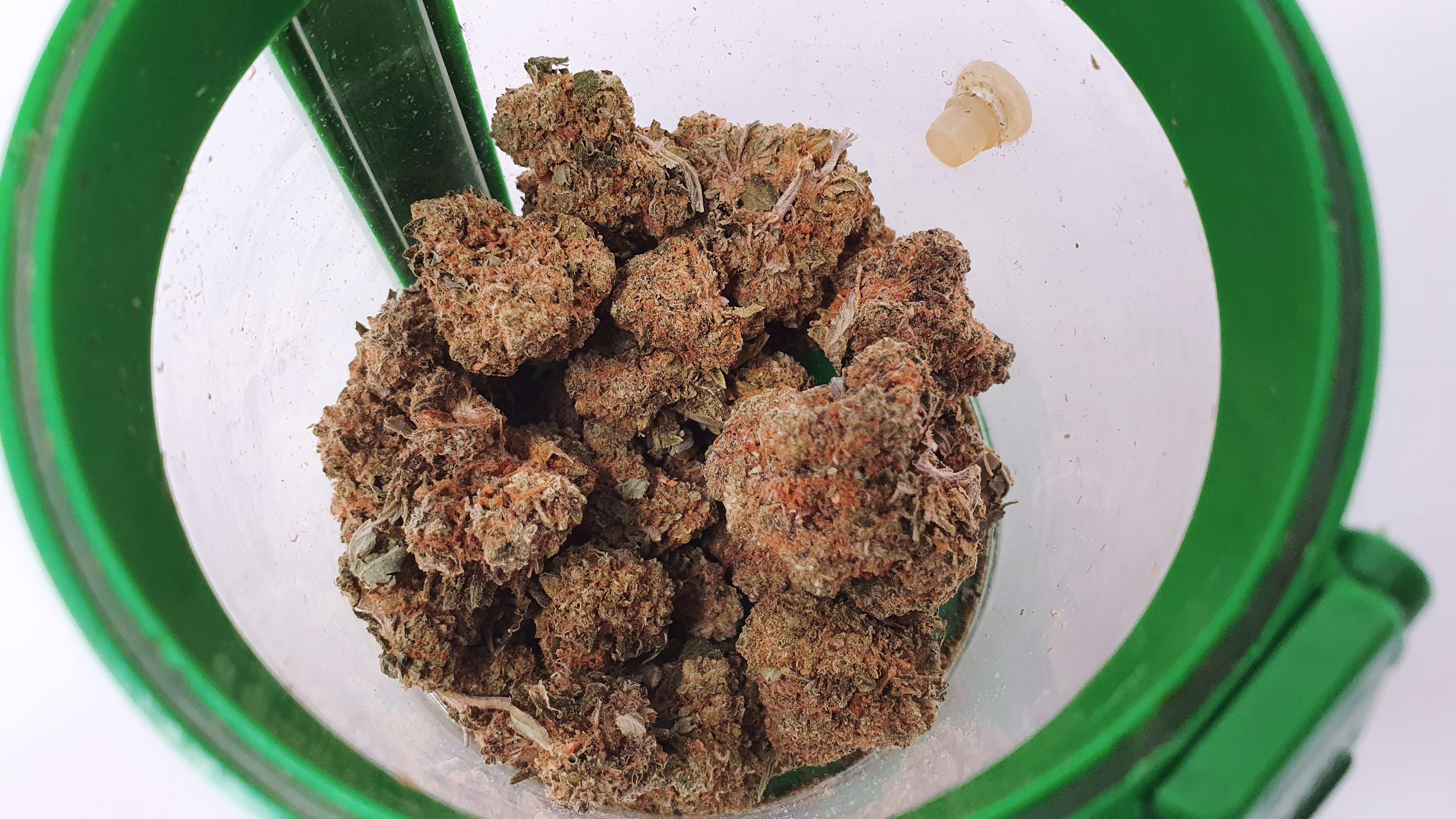
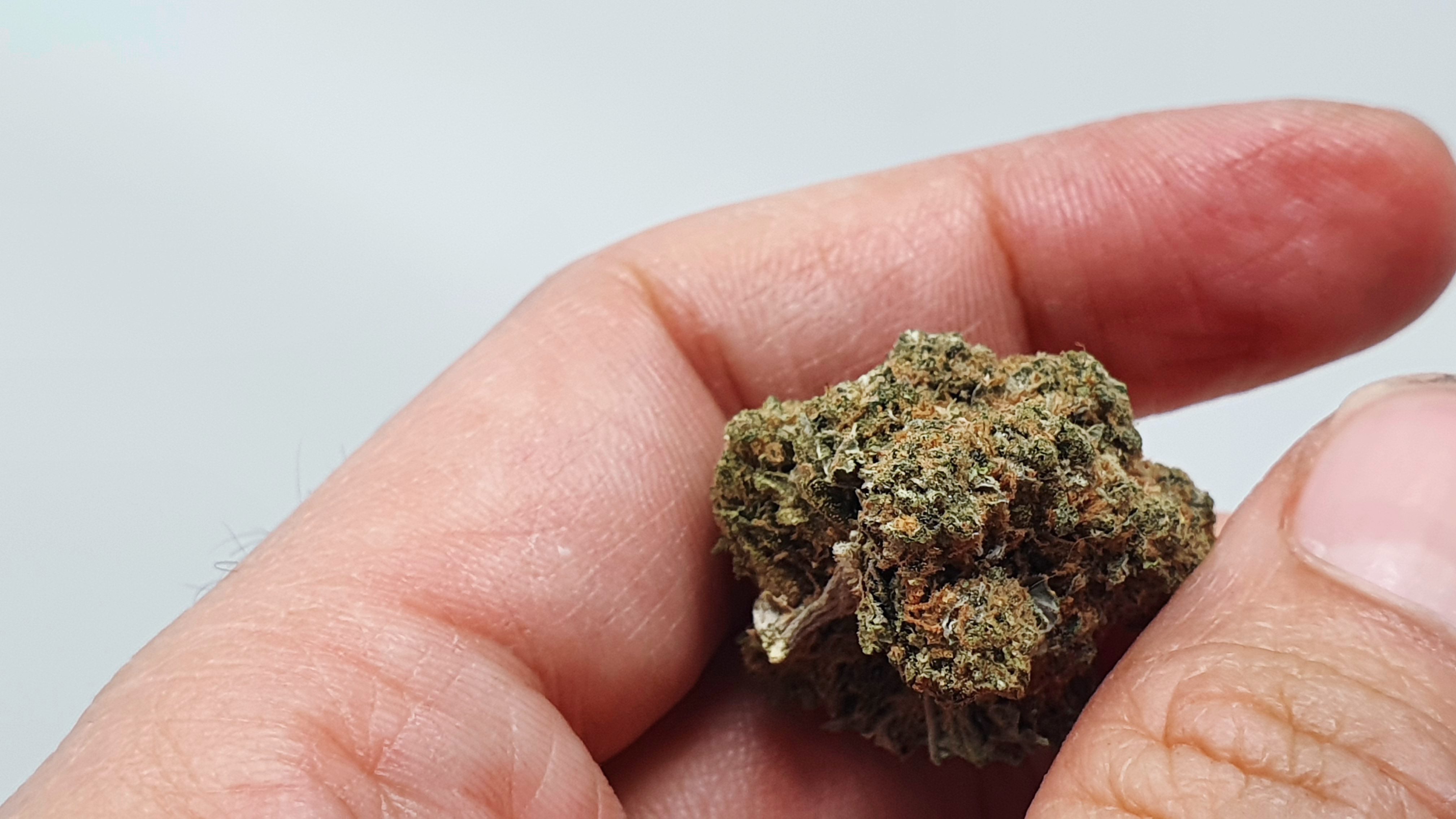
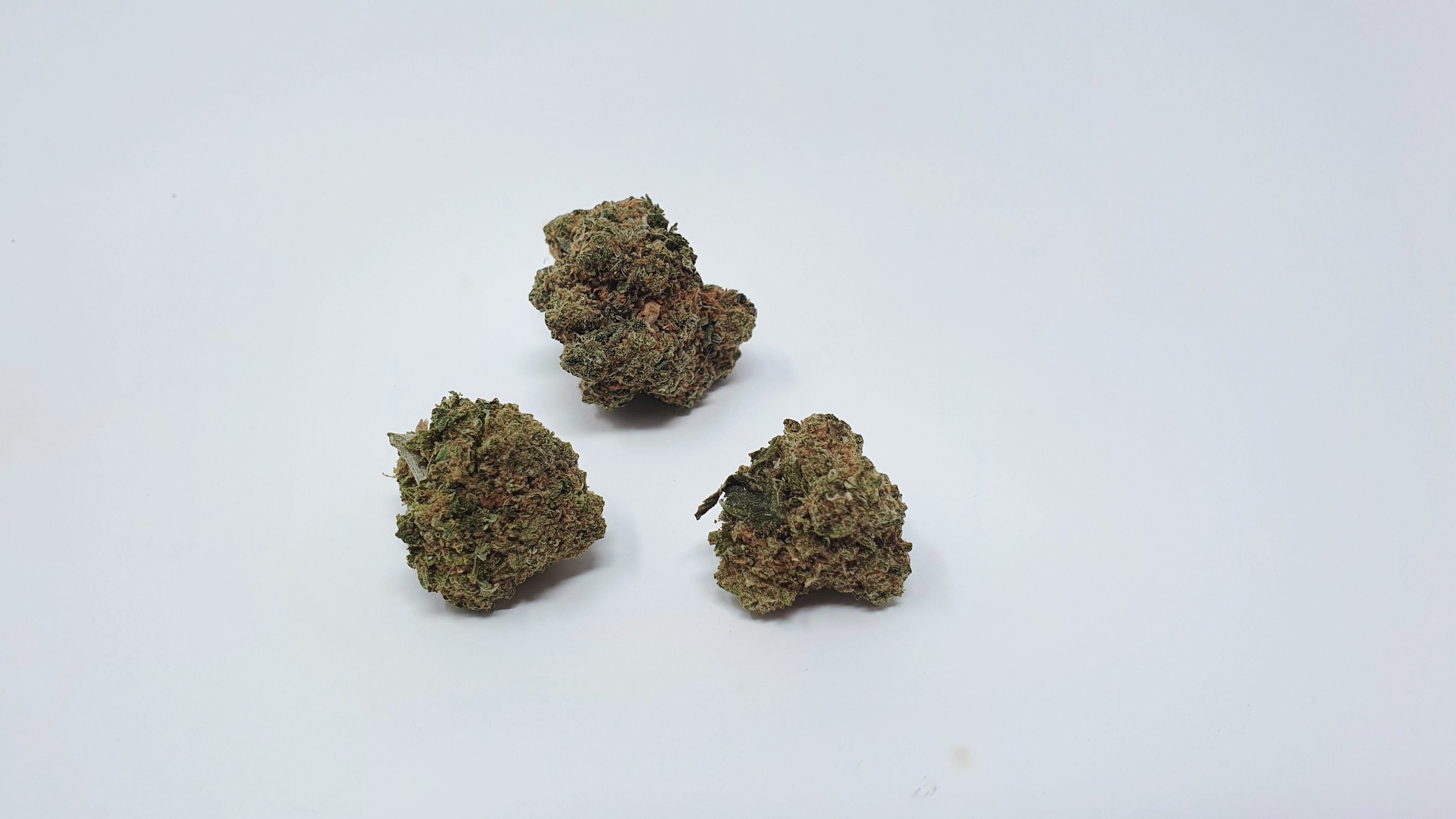
Archive images connected to At a glance, this weed didn't seem so bad. Then I took a closer look. These images are included for identification and context, not as medical evidence.

Source trail
- [Source 1] At a glance, this weed didn't seem so bad. Then I took a closer look (this-weed-looked-ok-until-i-inspected-it-a-bit-closer)
- National Institute for Health and Care Excellence (NICE) guidance on cannabis products
- Medicines and Healthcare products Regulatory Agency (MHRA) guidance on product safety and quality