
Medical Education
Apple Jack Cannabis Strain Review
The Apple Jack cannabis strain is a hybrid of Jack Herer and White Widow, often described in archive reviews for its fruity aroma and balanced effects. For patients and carers, the useful question is not whether the...
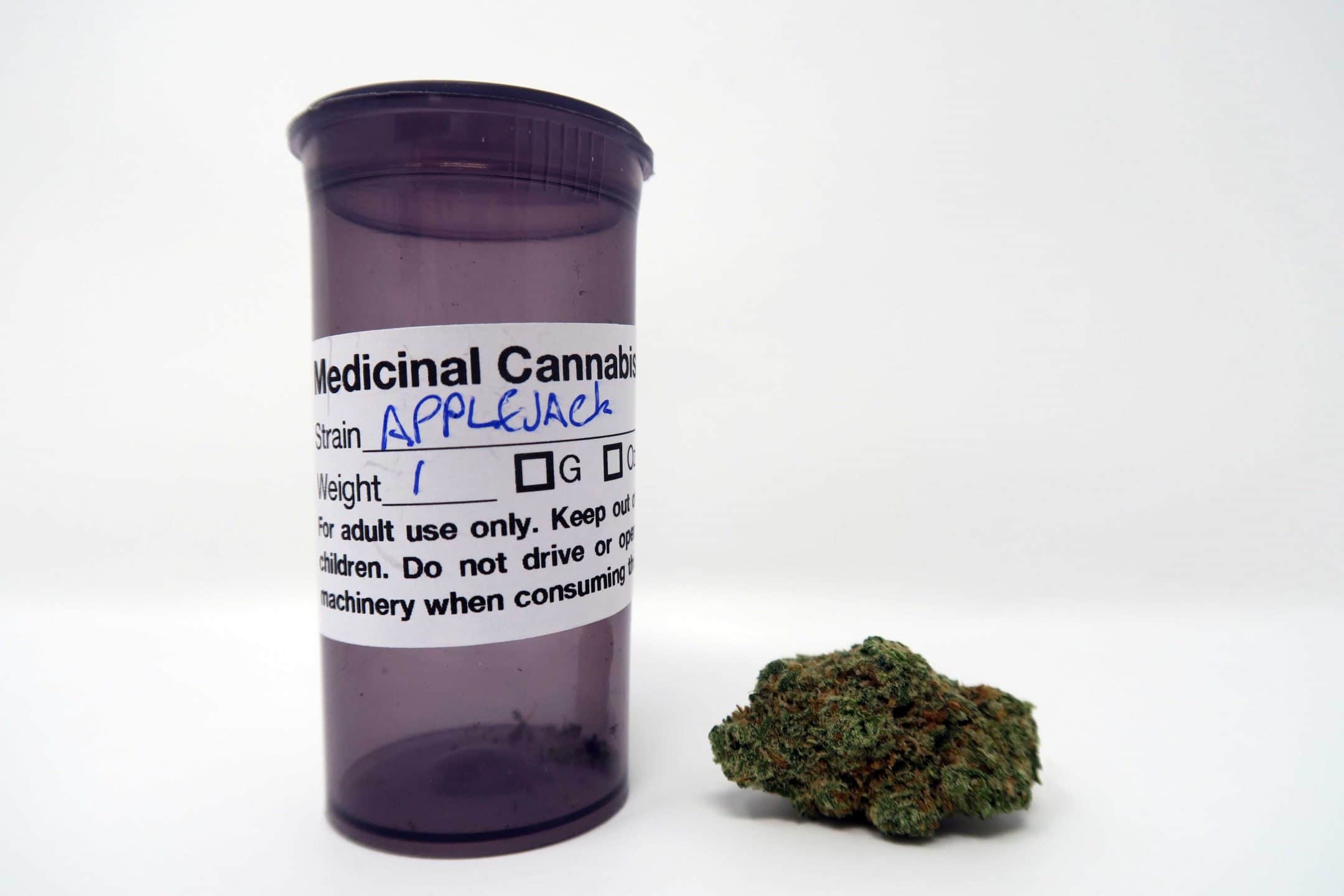
The Apple Jack cannabis strain is a hybrid of Jack Herer and White Widow, often described in archive reviews for its fruity aroma and balanced effects. For patients and carers, the useful question is not whether the label sounds appealing, but what can and cannot be inferred from a strain review, especially when products come from outside regulated UK medical supply routes.
Key takeaways
- Apple Jack is a hybrid cannabis strain known for its fruity aroma and balanced effects, combining traits from Jack Herer and White Widow.
- The strain is often praised for its appearance, smell, and taste, though its potency and effects can vary depending on the source and method of consumption.
- Patients should be aware that cannabis products from international sources may not be subject to the same regulatory standards as those available in the UK.
- The route of use, such as smoking or vaping, can significantly affect the onset, duration, and intensity of the effects, which should be considered carefully.
Evidence base
The characteristics of Apple Jack, including its appearance, aroma, and effects, are largely based on user reviews and anecdotal reports. These descriptions are not typically supported by clinical trials or peer-reviewed studies, which means the information is limited to subjective experiences. The strain's potency and effects can vary widely depending on the source, cultivation methods, and processing techniques. For example, the presence of trichomes and the density of the buds can influence the concentration of cannabinoids and terpenes, which in turn affect the overall experience.
While there is no official UK regulatory data specifically on Apple Jack, the general guidance on cannabis products applies. The Medicines and Healthcare products Regulatory Agency (MHRA) and the National Institute for Health and Care Excellence (NICE) emphasize the importance of product safety, labeling, and potency. These bodies advise that cannabis products should be clearly labeled with information on the active ingredients, dosage, and method of use. However, products from international sources may not always meet these standards, which can pose risks to users.
The route of use also plays a significant role in the effects of cannabis. Smoking or vaping can lead to a rapid onset of effects, which may be more intense and less predictable compared to other methods such as edibles or topical applications. The evidence on the long-term health effects of cannabis use is mixed, with some studies suggesting potential risks to mental health and respiratory function, while others highlight possible therapeutic benefits for certain conditions. However, the evidence for specific strains like Apple Jack is limited, and the therapeutic applications remain largely anecdotal.
What patients should know
Apple Jack is a cannabis strain that may be appealing due to its unique flavor and effects, but it is important to approach its use with caution. Patients should be aware that the quality and safety of cannabis products can vary significantly, especially when sourced from international markets. The lack of standardized testing and regulation means that the potency and composition of these products may not be consistent or accurately labeled. The method of consumption can also impact the experience. Smoking or vaping may lead to a quicker onset of effects, which can be more intense and harder to control.
Patients should consider alternative methods, such as edibles or topical applications, if they are looking for a more predictable and controlled experience. It is also important to note that the effects of cannabis can vary between individuals, and what works for one person may not be suitable for another. Patients should also be mindful of the potential risks associated with cannabis use, including the impact on mental health, respiratory function, and cognitive performance.
While some studies suggest that cannabis may have therapeutic benefits for conditions such as chronic pain or anxiety, the evidence is not conclusive, and the risks should not be overlooked. It is recommended that patients consult with a healthcare professional before using cannabis, especially if they have a history of mental health issues or are taking other medications.
When to speak to a clinician
Patients should consider speaking to a clinician if they experience any adverse effects from cannabis use, such as anxiety, paranoia, or changes in mood. It is also important to consult a healthcare professional if there are concerns about the safety or effectiveness of the product, particularly if it is sourced from international markets. Clinicians can provide guidance on the appropriate use of cannabis, including the method of consumption, dosage, and potential interactions with other medications.
Red flags that may indicate the need for a clinician's advice include persistent or severe side effects, changes in behavior or mental health, and difficulty in managing the effects of cannabis. Patients should also seek medical advice if they are unsure about the quality or safety of the product, or if they are experiencing any unexpected symptoms. Regular reviews with a healthcare professional can help monitor the impact of cannabis use and ensure that it is being used safely and effectively.
Questions to ask a clinician
- What are the potential risks and benefits of using Apple Jack or similar cannabis strains?
- How can I ensure the safety and quality of the product I am using?
- What are the best methods of consumption for managing the effects of cannabis?
Source trail
- The original review of Apple Jack is based on user experiences and anecdotal reports, which are not peer-reviewed.
- The general guidance on cannabis products is provided by the MHRA and NICE, which emphasize the importance of product safety and labeling.
- The route of use and its effects are supported by existing research on cannabis consumption methods.